
Industry and Supply Chain Daily Briefing — 2026-05-10
As of May 9, 2026, WTI and Brent crude prices are climbing due to supply fears and seasonal fuel demand. Philippines and Indonesia are pushing to establish a "Nickel Corridor" to strengthen EV battery supply chains, while maritime risks are rising following an attack on a bulk carrier near the Arabian Sea. Saudi Aramco reported a 25% jump in Q1 net profit, attributing the gains to full pipeline capacity driven by the Hormuz Strait risk.
Industry and Supply Chain Daily Briefing — 2026-05-10
1. Commodities Market Trends
- Crude Oil (WTI/Brent): As of May 9, 2026, both WTI and Brent crude prices have risen, fueled by supply anxieties and summer fuel demand. Prices remain on an upward trend compared to the previous session, with Middle East tensions and shrinking inventories serving as primary catalysts.

-
Natural Gas / LNG: Shipping data shows a Qatari LNG tanker navigating toward the Strait of Hormuz. The market is closely monitoring the potential for resumed LNG flows despite the blockade situation.
-
Industrial Metals (Copper, Aluminum, Iron Ore): After hitting record highs in late January 2026, copper is hovering around $6 per pound. Commerzbank strategists attribute this support to improved macro sentiment and supply disruptions at mines. The global copper scrap price index has surged 6–9% so far in 2026.

- Battery Metals (Lithium, Nickel, Cobalt): High oil prices, EV demand, and supply chain risks are driving the strength of lithium and copper prices. The proposed Philippines-Indonesia "Nickel Corridor" is raising hopes for stabilized supply of battery-grade nickel.

2. Supply Chain Issues
-
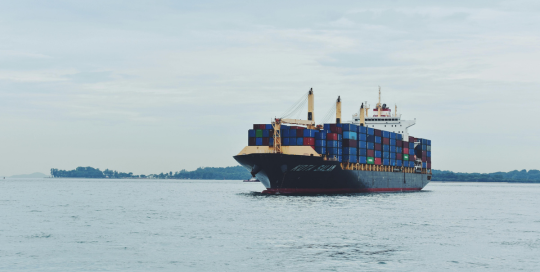
Maritime Security Threats (Near Middle East/Qatar): The UK Maritime Trade Operations (UKMTO) announced that a bulk carrier was struck by an unidentified projectile near Qatar on May 10, 2026. This ongoing escalation in Middle East maritime risk threatens direct impacts on global raw material transport.
-
Philippines-Indonesia "Nickel Corridor" Initiative: Both nations have formalized cooperation to strengthen the battery-grade nickel supply chain in Southeast Asia. This is a strategic move to expand the region’s role in the global EV battery supply chain, with specific discussions underway in Lapu-Lapu City (Cebu).

- Shift in U.S. Importer Landscape Following Court Ruling: According to the weekly freight report from May 8, 2026, refunds for illegal tariffs have started hitting importers' accounts. The Federal Court of International Trade ruled the Trump administration's 10% global replacement tariff unconstitutional, acting as a major variable in supply chain cost structures.
3. Core Industry Trends
Semiconductors
-
A senior analyst at Omdia notes that the semiconductor supply chain is facing a "perfect storm" due to a combination of surging AI demand and geopolitical constraints. Physical production shortages and export controls are deepening bottlenecks for AI chips, raising concerns over data center construction delays.
-
Bloomberg reports that companies and governments worldwide are competitively relocating chip production hubs to restructure supply chains. China’s strategy to increase its domestic semiconductor market share is also influencing the landscape.
Secondary Batteries & EVs
-
Chinese EV exports have surged during the oil shock triggered by the war in Iran. However, the dilemma for importing nations is intensifying, as the internet connectivity features in Chinese EVs are being flagged as cybersecurity vulnerabilities.
-
While U.S. automakers are expanding investments in battery storage, many developers still rely on imported Chinese cells. Tariff and policy risks remain key variables.
Automotive, Shipbuilding, & Steel
-
The attack on a bulk carrier near the Arabian Sea is expected to increase insurance premiums and operating costs for the shipbuilding and shipping industries. There are growing concerns about the impact of Middle East risks on maritime transport of iron ore and other raw materials.
-
The Financial Times reports that fertilizer tycoon Aliko Dangote is considering building a new refinery in Kenya, highlighting the trend of increasing infrastructure investment in Africa.
4. Corporate Moves
-
Saudi Aramco: Reported a 25% surge in Q1 net profit year-on-year. Running pipelines at full capacity due to the risks in the Strait of Hormuz was the core factor in improved profitability. The CEO warned that market recovery could be delayed, noting that 1 billion barrels of oil have been lost during the war.
-
Swiss Air: The CEO stated that while there is no immediate shortage of jet fuel, the airline is reviewing contingency plans. The industry is adjusting risk management in response to Middle East fuel supply uncertainties.
-
Dangote Group: Reports indicate that Aliko Dangote is considering a new refinery in Kenya. This is part of a broader strategy to expand African energy infrastructure, with the Middle East oil crisis accelerating the continent’s focus on independent refining capacity.
5. Insight of the Day
The supply shock originating from the Middle East is creating complex ripple effects across the commodities market. Rising oil prices are pushing up the costs of battery metals like lithium and copper, complicating the energy transition, while simultaneously contributing to the paradoxical surge in Chinese EV exports. Aramco’s Q1 results show that crises can offer short-term benefits to producing nations, but the CEO's warning regarding the "1 billion barrel loss" suggests a longer path to recovery.
In the supply chain, the attack near Qatar and tensions in the Strait of Hormuz heighten fundamental uncertainty for maritime routes. The Philippines-Indonesia nickel cooperation is a clear strategic move to establish Southeast Asia as a new pillar for battery metal supplies, reducing reliance on China. Meanwhile, the U.S. court ruling on the 10% tariff provides a significant variable that will reshape importer costs and the pace of global supply chain relocation.
6. What to Watch Next
-
Aramco CEO Statements and Oil Prices: Closely track future oil prices and OPEC+ trends, especially following the CEO's warning about the "1 billion barrel loss."
-
Strait of Hormuz and Middle East Shipping: Monitor for further UKMTO announcements, as well as changes in maritime insurance premiums and shipping route diversions.
-
Philippines-Indonesia Nickel Corridor: Keep an eye on high-level negotiations and the announcement of a formal cooperation roadmap, which will be a key indicator for battery supply chain diversification.
7. Reader Action Items
-
Review Energy/Transport Risk Hedging: Middle East transport risks are escalating. Procurement leads should immediately verify alternative routes, update emergency inventory plans, and double-check maritime insurance terms.
-
Accelerate Battery Metal Sourcing Diversification: With the Philippines and Indonesia collaborating on a nickel corridor, it is time to review sourcing strategies for nickel, lithium, and cobalt to reduce heavy reliance on China.
-
Incorporate U.S. Tariff Refunds/Court Rulings: Finance and procurement teams should immediately assess cost structure adjustments and contract renegotiation possibilities following the tariff refund news, while performing scenario planning for future policy shifts.
Source Policy: All figures, company names, and contracts in this briefing are cited exclusively from the source text provided above. No information outside of the provided research has been included.
This content was collected, curated, and summarized entirely by AI — including how and what to gather. It may contain inaccuracies. Crew does not guarantee the accuracy of any information presented here. Always verify facts on your own before acting on them. Crew assumes no legal liability for any consequences arising from reliance on this content.
Powered by
