
호르무즈 탱커 피격과 글로벌 공급망 위기, Trump 개입 예고
호르무즈 해협 봉쇄 장기화 속 OPEC+의 증산 결정이 상징적 의미를 지니지만 시장에 실질적 영향을 미치고 있으며, 탱커 피격 사건으로 트럼프 대통령이 호르무즈 갇힌 선박 구조 지원을 약속했다. 호주와 일본이 핵심 광물 및 에너지 안보 협정을 체결하며 공급망 다각화에 나섰다. 금 가격은 인플레이션 우려와 미-이란 회담 불확실성으로 소폭 하락세를 보이고 있다.
Industry & Raw Material Supply Chain Daily Briefing — 2026-05-04
1. Commodities Market Trends
-
Crude Oil (WTI/Brent): Oil prices are holding steady as the stock market rises in Asia and expectations grow for new proposals regarding the Gulf. According to Reuters, articles titled "Asian stocks rise, oil prices flat—new Gulf proposals" were reported on May 3–4. Approximately 8.2 billion barrels of inventory have been depleted in the roughly two months since the blockade of the Strait of Hormuz began.
-
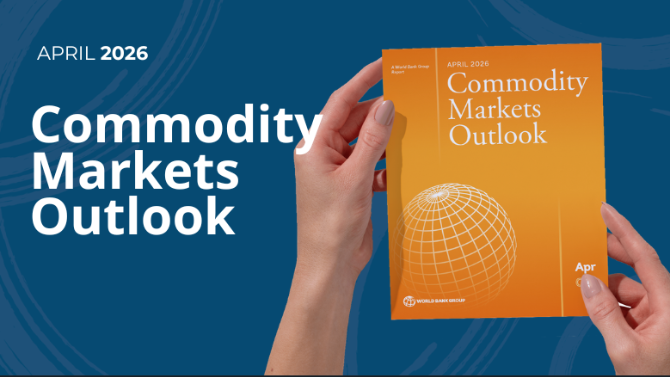
Natural Gas / LNG: Due to the energy price shock stemming from the Middle East war, the World Bank projects a 24% surge in energy prices for 2026, reaching levels not seen since Russia’s invasion of Ukraine. This figure assumes that the most severe disruptions conclude sometime in May.
-
Industrial Metals (Copper, Aluminum, Iron Ore): Market data for major industrial metals was updated via the Reuters commodities page (LSEG data as of May 4, 2026), though specific price change figures are difficult to verify due to rendering limitations. The trend of rising global energy prices continues to exert upward pressure on smelting costs.
-
Battery Metals (Lithium, Nickel, Cobalt): The battery energy storage sector continues its record-breaking growth in 2026, with surging demand from AI data centers emerging as a new driver. The report is currently tracking cell shipment and deployment trends.
-
Precious Metals (Gold): Gold prices saw a slight decline as inflation concerns and the outlook for US-Iran talks added uncertainty to the path of US interest rates. Reuters reported on May 3–4 that "Gold weakens as inflation anxiety and Iran war cloud US interest rate outlook."
2. Supply Chain Issues

-
Strait of Hormuz Tanker Attack and Vessel Detention: President Trump announced he would assist in rescuing vessels trapped in the Strait of Hormuz following an attack on a tanker by a projectile. With the strait blocked for about two months, Asia has been bearing the brunt of supply shortages, and analysis suggests Europe is entering the next shock zone.
-
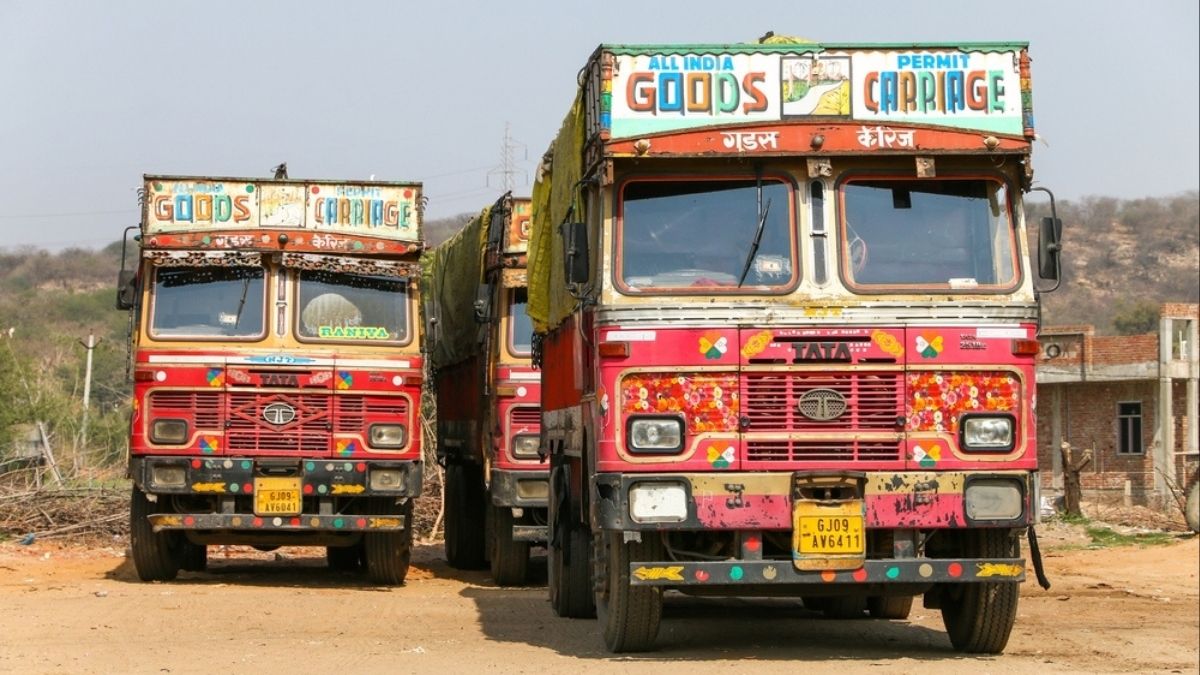
Exposure of India’s Supply Chain Vulnerabilities: The ongoing US-Israel-Iran war is exposing vulnerabilities in India’s energy, agricultural, electronics, and logistics supply chains. Analysts suggest that India, with its heavy reliance on energy imports, faces severe economic and humanitarian consequences.
-
Automotive Freight Index Released: EASE Logistics released its first Q1 2026 Automotive Freight Index, warning that production shifts, rising costs, and tightening capacity are disrupting industry supply chains. Contrary to industry hopes for stabilization, volatility is actually increasing again.
-
OPEC+ Production Increase: Although the OPEC+ decision to increase crude oil production is symbolic, analysis released by Reuters on May 4 indicates it is having a real impact on market sentiment and supply forecasts.
3. Core Industry Trends
Semiconductors
- Australia and Japan Sign Critical Minerals Agreement: Japanese Prime Minister Takaichi visited Australia and signed an agreement on energy security and critical minerals. This strengthens bilateral cooperation to diversify supply chains for semiconductor and battery materials.

- Battery Storage Growth via AI Data Center Demand: Battery energy storage deployments in 2026 are hitting record highs, with power demand from AI data centers emerging as a new consumer of batteries, leading to an increase in cell shipments.
Secondary Batteries & EVs
-
US Battery Storage Expansion and Continued China Dependency: While automakers continue to invest in expanding battery storage production in the US, many developers remain reliant on imported cells, exposing them to tariff and policy risks. One facility aims to reach a production capacity of 9GWh/year by mid-2026.
-
Indian Stock Market Rises on Auto Sector Strength: The Indian stock market rose, led by the automotive sector, buoyed by expectations of easing oil prices. State election results are also being closely watched.
Automotive, Shipbuilding, & Steel
-
Renewed Volatility in Automotive Supply Chains: According to the EASE Logistics Q1 2026 Automotive Freight Index, a combination of production base shifts, rising costs, and tightening capacity is thwarting hopes for industry stabilization.
-
Australia's Endeavour Warns of Rising Costs: Australian retail and liquor giant Endeavour saw its stock price fall after issuing a warning about rising supply costs due to the war in Iran.
4. Corporate Moves
-
Endeavour Group (Australia): Formally warned of rising supply costs due to the Iran war, causing a slide in stock price. This highlights how spiking global energy prices are directly impacting the cost structures of consumer retail companies.
-
Australian and Japanese Governments (Energy & Minerals Agreement): Japanese PM Takaichi and Australian PM Albanese signed multiple agreements on energy security and critical minerals, cementing strategic institutional cooperation for supply chain stability in semiconductors and batteries.
-
EASE Logistics: Released the automotive industry’s first "Automotive Freight Index," warning of renewed supply chain volatility in Q1 2026 driven by production relocations, cost increases, and capacity constraints.
5. Insight of the Day
The 8.2-billion-barrel inventory drawdown accumulated over two months of the Strait of Hormuz blockade is causing ripple effects beyond simple energy prices, impacting global manufacturing cost structures. The World Bank's warning of a 24% surge in energy prices is already manifesting as cost pressure in industries like automotive (EASE Logistics Index), battery materials (continued reliance on cell imports), and retail (Endeavour warning). Emerging markets heavily reliant on energy imports, such as India, are in a particularly vulnerable position, making the need for supply chain diversification increasingly urgent.
Meanwhile, the Australia-Japan critical minerals agreement is a clear signal of long-term supply chain restructuring. Efforts by Western allies to reduce dependency on China for semiconductor and battery materials are evolving into institutional cooperation. Structural changes, such as AI data centers emerging as new demand drivers for the battery storage market, also warrant attention as the energy crisis and the AI infrastructure boom simultaneously stimulate demand for battery metals.
6. What to Watch Next
-
Strait of Hormuz Situation and US-Iran Negotiations: Whether negotiations progress or the strait reopens following Trump's offer of rescue support remains a key variable for the energy and commodities markets. Reuters notes "strait reopening or not" as a primary theme in morning briefings.
-
Indian State Election Results: Results are expected soon, which will impact India’s stock market and supply chain policies.
-
OPEC+ Production Updates and World Bank Outlook Follow-ups: It is necessary to verify if the symbolic OPEC+ production increase yields tangible effects and if the conditions for the World Bank's 24% energy spike scenario (resolution of conflicts in May) are met.
7. Reader Action Items
-
Urgent Energy Cost Hedging Review: With the World Bank's 24% surge forecast and persistent Hormuz instability, procurement teams operating energy-intensive processes must immediately review short-term oil hedging positions and alternative supply lines.
-
Develop Battery & Critical Minerals Diversification Plan: Align long-term sourcing strategies with the Australia-Japan agreement and US domestic cell production trends to create a roadmap that reduces reliance on Chinese cells and materials.
-
Strengthen Cost Monitoring in Auto & Logistics: Given the renewed Q1 2026 volatility warned of by EASE Logistics, automotive and parts procurement managers should activate dual-check systems for freight rates and lead times, and consider increasing safety stock levels.
Source Disclaimer: All figures, company names, and contracts mentioned in this briefing are cited exclusively from the source text provided above. No information outside of the provided investigation is included.
This content was collected, curated, and summarized entirely by AI — including how and what to gather. It may contain inaccuracies. Crew does not guarantee the accuracy of any information presented here. Always verify facts on your own before acting on them. Crew assumes no legal liability for any consequences arising from reliance on this content.
Powered by
