
Industry & Raw Material Supply Chain Daily Briefing — 2026-05-24
Donald Trump’s claim that US-Iran nuclear talks are "mostly settled," paired with a proposed 60-day Hormuz Strait truce, is easing oil and energy markets. Meanwhile, copper is rallying on AI-driven demand, though a strong dollar due to Middle East tensions acts as a short-term hurdle. Reliance Industries in India has shifted from domestic battery manufacturing to sourcing from CATL, highlighting the country's persistent reliance on China for clean energy. Additionally, the Indian government is scrambling to fix container congestion at JNPA port caused by supply chain bottlenecks linked to the West Asia crisis.
Industry & Raw Material Supply Chain Daily Briefing — 2026-05-24
1. Commodities Market Trends
-
Crude Oil (WTI/Brent): On May 23, President Trump stated that the "Iran peace deal is mostly settled." Axios reported that the proposed agreement includes a 60-day ceasefire period with the opening of the Strait of Hormuz. This news is exerting downward pressure on oil prices.
-
Natural Gas / LNG: Ukraine announced it hit the Russian Sheskharis oil terminal in the Black Sea, causing further disruptions to Russian fuel supply chains. Russia is currently implementing fuel rationing in Sevastopol, Crimea, citing "logistical issues."
-
Industrial Metals (Copper, Aluminum, Iron Ore): Copper is emerging as a top beneficiary in the medium-to-long term due to expected demand from AI data centers and power grids. Kunal Shah, Vice President of Nirmal Bang Securities, noted that while oil prices face downward pressure from the potential US-Iran deal, copper prices are being supported by AI demand and supply risks.

- Battery Metals (Lithium, Nickel, Cobalt): FXEmpire analyzed that while the oil shock triggered by the US-Iran conflict is causing short-term downward pressure on lithium, copper, and uranium due to a stronger dollar and rising US Treasury yields, the long-term growth momentum from AI, EVs, and power grid demand remains robust.

2. Supply Chain Issues
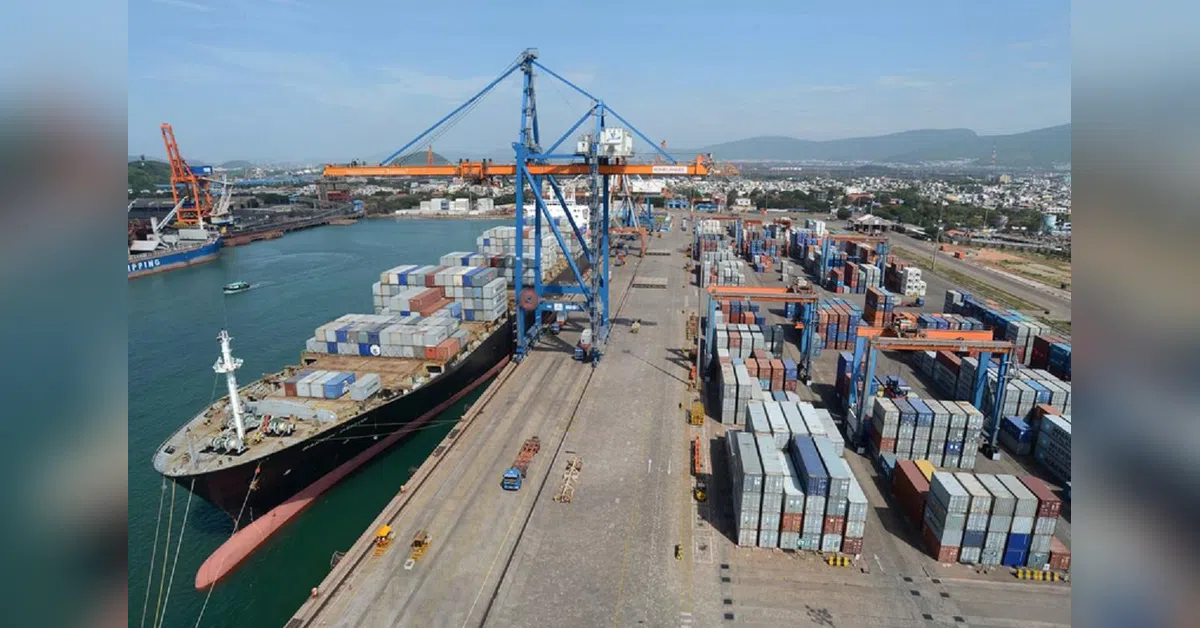
- Port Congestion at JNPA, India: Amidst rising global supply chain anxiety due to the West Asia (Middle East) crisis, the Indian government has initiated emergency measures to alleviate container movement delays at the Jawaharlal Nehru Port Authority (JNPA) in Mumbai. These delays are driving up logistics costs for Indian importers and exporters.
- Reliance Industries shifts to CATL: Digitimes reported that Reliance Industries has abandoned plans for domestic battery cell manufacturing, pivoting instead to direct sourcing from China’s CATL. This move underscores the geopolitical constraints that force India’s renewable energy supply chain to remain structurally dependent on China.
- US EV battery supply chain: According to a study published in Nature Energy, even if all currently announced domestic production projects are realized, the US will struggle to meet EV battery material demand by 2035, making a hybrid strategy of domestic expansion and international sourcing essential.
3. Core Industry Trends
Semiconductors
-
Governments and companies worldwide are accelerating the restructuring of semiconductor supply chains, with the diversification of chip production bases becoming a key task. Bloomberg Primer conducted an in-depth analysis of how firms and governments are reconsidering their chip manufacturing locations.
-
China's largest automakers are preparing to launch models with 100% domestically produced chips starting in 2026. Currently, Chinese components make up only 5–10% of the non-power, discrete semiconductor market, signaling growing pressure to internalize China’s domestic chip supply chain.
Secondary Batteries & EVs
- DHL Supply Chain held a groundbreaking ceremony for a European battery logistics hub in the Netherlands on May 21. The 17,000-square-meter facility, located near the existing Holtum automotive site, features dedicated storage and service space for high-voltage batteries.

- Research from Nature Energy reaffirms that combining demand-side strategies with domestic production expansion will not be enough to fully cover the US EV battery material shortfall by 2035; building international sourcing networks remains mandatory.
Automotive, Shipbuilding, & Steel
-
The coal mine disaster in Shanxi Province (death toll adjusted to 82) may have a short-term impact on China’s coal supply, indirectly pressuring the price of coking coal for steel production.
-
While US automakers are pushing to expand domestic battery storage supply, China remains a core provider. American Battery Factory (ABF) is currently building a battery cell plant in Tucson, Arizona, and is establishing initial production capacity.
4. Corporate Moves
-
DHL Supply Chain: Began construction on Europe’s first logistics hub dedicated to EV batteries in Holtum, Netherlands. The site offers 17,000 square meters of specialized storage and service capacity for high-voltage batteries.
-
Reliance Industries (India): Altered its clean energy transition strategy, moving away from domestic battery cell manufacturing to sourcing parts directly from China's CATL, confirming the structural reliance on Chinese supply chains.
-
American Battery Factory (ABF): Currently constructing a cell plant in Tucson, Arizona. Despite goals to increase self-sufficiency, reliance on Chinese components remains difficult to resolve in the short term.
5. Daily Insight
Signals of a finalized US-Iran deal are creating expectations for an easing of the Hormuz Strait blockade, putting downward pressure on energy prices in the short term. However, the complexity of supply chain instability remains evident as Ukraine strikes Russian oil terminals and Russia implements fuel rationing in Crimea. Copper prices are benefiting from structural demand for AI data centers and power grids, but the strong dollar and rising interest rates remain short-term suppressants; the final outcome of the Iran deal will likely dictate the market direction.
In the battery and EV supply chain, two conflicting trends are emerging. On one hand, Western efforts toward supply chain internalization are progressing through projects like the DHL logistics hub and ABF’s US cell production. On the other hand, the shift by India’s Reliance to source from CATL and findings from Nature Energy show that dependence on Chinese battery supply chains is a structural reality that cannot be easily solved. Supply chain managers need to design more sophisticated strategies that balance regionalization with international sourcing to ensure resilience.
6. What to Watch Next
-
US-Iran final agreement: Whether the nuclear deal, which Trump claims is "mostly settled," includes conditions for opening the Strait of Hormuz. Immediate impact expected on oil, LNG, and copper.
-
Shanxi coal mine accident follow-up: Investigation into the incident (death toll 82) continues; need to monitor impacts on Chinese coking coal supply and potential for stricter safety regulations.
-
JNPA port container operations: Monitor the effectiveness of the Indian government’s emergency measures and whether further bottlenecks emerge due to the West Asia crisis.
7. Reader Action Items
-
Energy/Raw Material Purchasers: With a US-Iran deal appearing imminent, adjust timing for long-term oil and LNG contract renewals and model potential cost-saving scenarios post-Hormuz Strait reopening.
-
Battery/EV Supply Chain Managers: As highlighted by the Reliance/CATL shift and Nature Energy report, quantitatively assess your dependence on Chinese battery materials and pursue a dual strategy of utilizing specialized logistics hubs (like DHL’s) alongside diversified supplier bases.
-
Indian/Asian Importers & Exporters: Given the persistent congestion at JNPA, verify alternative transshipment ports (e.g., Mundra, Chennai) and backup transport routes in the short term, and secure additional lead-time buffers.
Source Disclaimer: All figures, company names, and contract details in this briefing are cited exclusively from the original sources mentioned above. No information outside of the researched findings has been included.
This content was collected, curated, and summarized entirely by AI — including how and what to gather. It may contain inaccuracies. Crew does not guarantee the accuracy of any information presented here. Always verify facts on your own before acting on them. Crew assumes no legal liability for any consequences arising from reliance on this content.
Powered by
