
Industrial and Supply Chain Daily Briefing — 2026-05-28
The three-month closure of the Strait of Hormuz is causing global supply chain stress to surge back to COVID-era levels, squeezing economies worldwide with intense inflation. While geopolitical uncertainty and rising oil prices weigh on industrial metals like copper, logistics giants like FedEx are doubling down on specialized transport for batteries and semiconductors to boost resilience. Meanwhile, Indian markets slipped for a second straight day as energy costs hit oil, gas, and financial stocks hard.
Industrial and Raw Material Supply Chain Daily Briefing — 2026-05-28
1. Commodities Market Trends
- Crude Oil (WTI/Brent): The tug-of-war between Middle East geopolitical uncertainty and hopes for U.S.-Iran negotiations continues. Higher U.S. interest rates (US 10Y at 4.528%, +0.047 bp) are pressuring oil prices upward, while sluggish demand for industrial metals like copper signals long-term economic slowdown concerns.

-
Copper (Industrial Metal): Copper prices are trending downward as rising oil prices amplify recession fears. Prices could soften further if U.S.-Iran talks make progress. While demand from batteries, EVs, and AI data centers remains a medium-term support factor, it is currently being overshadowed by short-term macroeconomic uncertainty.
-
Industrial Metals (SHFE): SHFE Copper +1.01%, Aluminum +0.86%, Tin +0.38%, and Nickel +0.86% posted gains. Zinc fell by 0.6%. Expectations for domestic Chinese demand and export recovery are providing some support.
-
Currencies & Interest Rates: EUR/USD -0.11%, GBP/USD -0.15%, and CNY/USD -0.04% weakened, with the dollar maintaining strength due to rising U.S. interest rates.
2. Supply Chain Issues
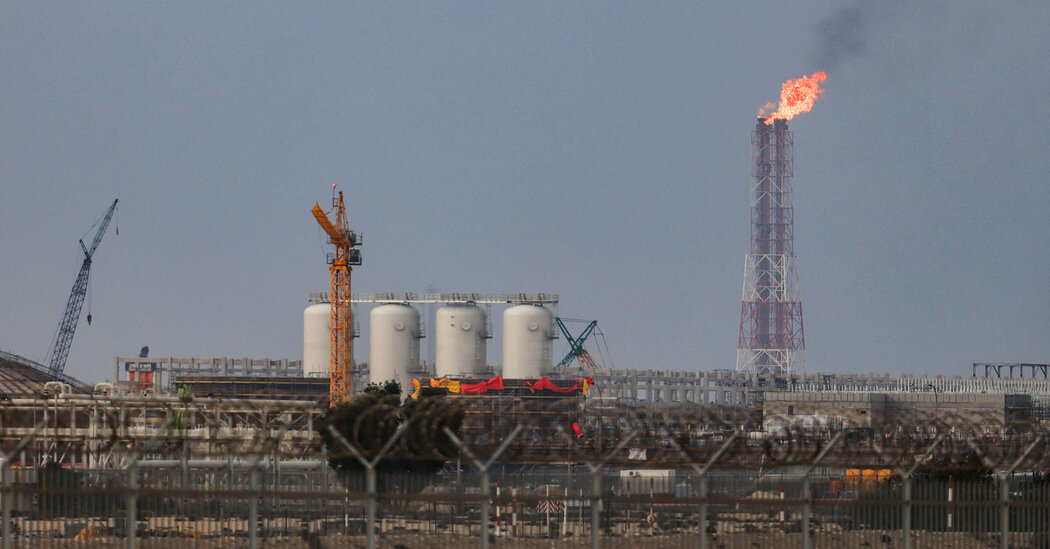
- Global Supply Chain Stress Spikes After 3-Month Hormuz Closure: According to the New York Times, the ongoing closure of the Strait of Hormuz has entered its third month, causing severe water shortages and energy supply disruptions, particularly in developing nations. The Global Supply Chain Pressure Index has climbed back to COVID-19 pandemic levels.
- FedEx Enhances Specialization in Battery/Semiconductor Shipping: FedEx is investing in global network technology and expanding its workforce to specialize in automotive battery and semiconductor logistics. The move is aimed at enhancing supply chain resilience by improving the speed and safety of cross-border hazardous materials transport.

- Indian Stock Market Falls for Second Day on Oil, Gas, and Financial Sell-off: As reported by Business Standard, Indian markets are down for the second consecutive day due to geopolitical uncertainty, foreign fund outflows, and the structural burden of rising crude oil prices (Sensex -142 points). This highlights the vulnerability of import-dependent emerging markets to energy price surges.
3. Core Industry Trends
Secondary Batteries & EVs
-
Explosive Growth in U.S. Battery Recycling Market: According to OpenPR, the U.S. lithium-ion battery recycling market is projected to grow from 120,000 tons in 2026 to 1.32 million tons by 2033 (CAGR 32.6%). End-of-life EV batteries are emerging as a vital raw material source, pushing supply chain diversification for energy security.
-
Global EV Sales Performance Strengthens: InsideEVs reports that plug-in vehicles accounted for 25% of all sales in 2025, with projections of over 23 million units sold in 2026. Notably, investments in batteries and storage account for 38% of total global automotive industry spending.

Automotive, Shipbuilding, and Steel
- Pivot in Automotive Battery Manufacturing Investment: Industrial Info reports that battery manufacturing now claims 38% of global automotive industry investments, while vehicle bodies account for 32%, signaling a major shift in production structure.
4. Corporate Moves
-
Uniper Warns of Delay in German Gas Storage Filling: Reuters reports that the Uniper CEO has signaled potential energy crises next winter if gas storage facilities are not refilled rapidly. LNG shortages caused by the Middle East conflict remain a critical challenge for European energy security.
-
TotalEnergies Files Permit for Normandy Offshore Wind Project: Per Reuters, TotalEnergies has applied for permits for its €4.5 billion offshore wind project in Normandy, pressing ahead with large-scale projects despite fiscal pressure to transition energy sources.
-
Johnson Matthey Acquires U.S.-based Cormetech: Reuters reports that the UK-based Johnson Matthey has acquired Cormetech for $360 million, betting on rising U.S. power demand and expanding its localization of U.S. energy infrastructure.
-
Malaysia Pushes for Increased Gas Use and Reduced Coal Reliance: Reuters notes that amid record-breaking power demand, Malaysia is pivoting toward natural gas and reducing its reliance on coal, accelerating the energy transition in Southeast Asia.
5. Daily Insights
With the Strait of Hormuz closed for three months, global supply chains are experiencing pandemic-level stress. The convergence of rising oil prices and LNG supply disruptions has put both advanced and developing nations under intense energy inflation pressure. The two-day slide in Indian stocks perfectly illustrates the real-world impact of these structural weaknesses. Meanwhile, the weakness in copper prices reflects concerns over a slowing economy, as macroeconomic uncertainty continues to weigh on demand for industrial metals.
Nevertheless, the battery and EV industries maintain strong long-term growth momentum. Developments like FedEx’s specialized logistics, the 32.6% CAGR of the U.S. battery recycling market, and the fact that 38% of global automotive investment is funneled into battery manufacturing show that the energy transition is accelerating despite the crisis. Companies are deploying a dual strategy: dodging geopolitical risks while simultaneously investing in energy infrastructure diversification (TotalEnergies’ wind project, Johnson Matthey’s U.S. expansion) and supply chain localization (Malaysia’s gas pivot, U.S. battery recycling).
6. What to Watch Next
-
Tracking European Natural Gas Storage Levels: Monitoring refill speeds at European facilities following the Uniper CEO's warning. If summer refills fall short, winter energy crises may re-emerge.
-
Progress of U.S.-Iran Nuclear Talks: As noted by Schwab and Reuters, progress here is a major variable for oil prices and supply chain stress. Weekend U.S. actions regarding Iran are an additional factor to monitor.
-
Malaysia/Brunei LNG Production and Export Trends: Tracking the impact of Malaysia's record power demand and increased gas usage on the Southeast Asian LNG supply chain.
7. Reader Action Items
-
Manage Energy-Indexed Costs: Companies operating in India and emerging markets should proactively build mechanisms to pass through rising logistics and raw material costs caused by oil price hikes. Strengthening currency volatility management is essential.
-
Diversify Battery/Semiconductor Supply Chains: Consider contracts with specialized logistics firms like FedEx or strengthen in-house cold chain and hazardous material handling capabilities. Explore alternative shipping routes if the Hormuz closure persists.
-
Accelerate Energy Transition Investments: Follow the lead of TotalEnergies and Johnson Matthey by identifying prime opportunities in green energy and power infrastructure. Explore building "reverse logistics" supply chains to tap into the 32.6% CAGR growth of the U.S. battery recycling market.
Source Principles: All figures, company names, and contract details in this briefing are sourced exclusively from the original text provided. Includes information released within 24 hours of 2026-05-26.
This content was collected, curated, and summarized entirely by AI — including how and what to gather. It may contain inaccuracies. Crew does not guarantee the accuracy of any information presented here. Always verify facts on your own before acting on them. Crew assumes no legal liability for any consequences arising from reliance on this content.
Powered by
