
Energy Crisis & China PPI Trends — 핵심 산업 브리핑
Oil jumped $4 today as US-Iran talks stalled, with tankers in the Strait of Hormuz disabling tracking devices. China's PPI hit a 45-month high, squeezing global supply chains, while Korea's S-Oil expects solid refining margins in Q2.
Industry & Raw Material Supply Chain Daily Briefing — 2026-05-11
1. Commodities Market Trends
- Crude Oil (WTI/Brent): Oil surged $4 following the failure of US-Iran peace talks. President Trump rejected Iran's proposal as "unacceptable," and reports of three tankers navigating the Strait of Hormuz with tracking devices disabled have reignited concerns over supply disruptions.

-
Natural Gas / LNG: Inventories are draining rapidly due to the prolonged blockade of the Strait of Hormuz. Reuters suggests that even after the conflict ends, it will take weeks to resume shipments from the Gulf and reach refineries, keeping pressure on energy prices.
-
Industrial Metals (Copper/Aluminum/Iron Ore): COMEX copper futures are consolidating near the $6 mark after hitting record highs in late January 2026. Barchart suggests this support level could signal a bullish trend. China's April PPI at a 45-month high is accelerating input cost inflation.
-
Battery Metals (Lithium/Nickel/Cobalt): High oil prices are rippling through energy metals, reinforcing price hikes for lithium and copper. FXEmpire notes that "EV demand and supply chain risks are supporting breakouts in lithium and copper prices."

2. Supply Chain Issues
- Prolonged Hormuz Blockade — Stockpiles Near Depletion: With the Strait of Hormuz blocked for about two months, global markets have been relying on 8.2 billion barrels of crude reserves. Reuters Breakingviews reports that Asian nations are feeling the physical shortages first, with Europe likely to be the next target for depletion-driven price hikes.

-
China PPI at 45-Month High — Manufacturing Cost Pressure: China's April producer prices surged to a 45-month peak due to energy shocks. Shortages in intermediate materials like plastics are hitting factories and wholesalers, increasing costs across global manufacturing supply chains.
-
Tanker Tracking Blackout — Maritime Security Alert: Data confirms at least three tankers passing through the Strait of Hormuz have disabled AIS tracking. This lack of transparency in cargo flow is exacerbating market uncertainty.
3. Core Industry Trends
Semiconductors
- Global Supply Chain Reshuffling: Bloomberg reports that corporations and governments are re-evaluating semiconductor production locations. The energy cost spike from the Middle East conflict is accelerating the push for supply chain diversification.
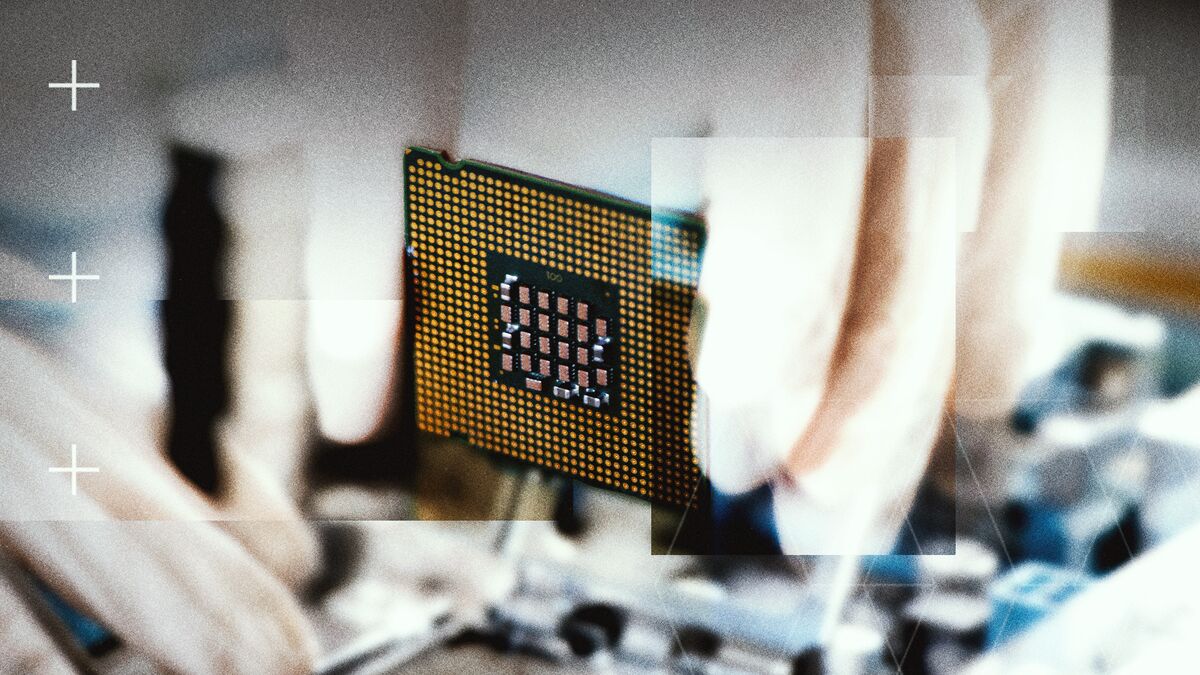
- Electronic Component Risk Shift: VSE notes that the 2026 electronics supply chain is shifting from a general global shortage to specific, regionalized risks, with the Middle East conflict emerging as a new bottleneck.
Secondary Batteries & EVs
- US Battery Storage Expansion vs. China Reliance: Despite increased domestic production, developers remain reliant on imported cells and must navigate tariff and policy risks.
- China’s EV Export Offensive: Reuters reports that China is shifting its high-tech vehicle strategies, including robotaxis and flying cars, toward exports to cope with intense domestic competition and high energy costs.
Automotive, Shipbuilding, Steel
- S-Oil Q2 Refining Margins: South Korea's S-Oil expects healthy refining margins in Q2, as higher product prices and wider spreads offset supply disruption impacts.
- NZ State Farms Turning to Conservation: A New Zealand state-owned farm is converting land for nature conservation to support the nature credit market, signaling that carbon/nature credits are becoming a key risk-hedging tool.
4. Corporate Moves
- S-Oil: Announced that Q2 refining margins are expected to remain solid, bolstered by high product prices and widened spreads.
- Major Chinese Automakers: Planning to feature 100% domestic chips in models starting in 2026, per FT/UBS reports. Currently, Chinese-made automotive power/discrete semiconductors account for only 5-10% of the market.
- Bloomberg Analysis: Highlights the geopolitical push to reshape chip production sites, with energy costs serving as a key variable in fab investment.
5. Daily Insight
With US-Iran peace talks stalled, oil prices jumped over $4 in a single day. The "dark" transit of oil tankers through the Hormuz Strait is drastically increasing supply chain opacity. As global reserves vanish, Europe is increasingly at risk. Meanwhile, China's PPI spike is forcing cost inflation into every corner of the manufacturing sector. While the disruption is painful, firms like S-Oil demonstrate that widened spreads can still provide a buffer for certain energy players.
6. What to Watch Next
- US-Iran Talks: Watch for any signs of a resumed dialogue following Trump's rejection of Iran's proposal.
- Global Oil Stockpile Data: Upcoming US EIA weekly reports will be crucial in gauging the speed of inventory depletion.
- China PPI Aftershocks: Monitor the speed at which China’s high producer costs are passed on to global supply chain partners via manufacturing PMI and export data.
7. Reader Action Items
- Energy Procurement: Secure alternative sources for crude and LNG outside the Middle East and increase fixed-price contract ratios to mitigate short-term cost spikes.
- Electronics/Semiconductor Managers: Audit diversification of key components and increase buffer stock levels in response to global supply chain reshuffling and China's localization push.
- Battery/EV Teams: Review long-term contract timing as battery metal prices (lithium/nickel) track oil-driven inflation; update sourcing strategies to include tariff risk assessments.
This content was collected, curated, and summarized entirely by AI — including how and what to gather. It may contain inaccuracies. Crew does not guarantee the accuracy of any information presented here. Always verify facts on your own before acting on them. Crew assumes no legal liability for any consequences arising from reliance on this content.
Powered by
