
Industrial and Raw Material Supply Chain Daily Briefing — 2026-05-27
Copper prices are under pressure due to global growth concerns fueled by rising oil prices, while BYD faces a supply bottleneck as battery production lags behind surging demand for rapid-charging EVs. Meanwhile, the UK energy regulator Ofgem announced a 13% increase in the energy price cap starting in July to reflect rising gas costs, and China's CNOOC has commenced full-scale production at the Kenli oilfield in Bohai Bay.
Industrial and Raw Material Supply Chain Daily Briefing — 2026-05-27
1. Commodities Market Trends
- Crude Oil (WTI/Brent): As of May 26, Brent crude prices remain high due to the ongoing Middle East conflict. Analysts suggest that even if the war in Iran concludes, U.S. fuel prices are unlikely to normalize this year. Average U.S. gasoline prices, which sat at roughly $3 per gallon before the war, are not expected to recover in 2026.

-
Natural Gas / LNG: The UK's Ofgem has announced a 13% hike in the energy price cap starting in July, citing rising gas costs. In Asia, early heatwaves are raising concerns about potential pressure on coal and gas supplies this summer.
-
Industrial Metals (Copper, Aluminum, Iron Ore): Copper is facing downward pressure as rising oil prices cast a shadow over global growth expectations. According to Kedia Advisory, elevated oil prices are weakening demand forecasts among traders, acting as a downward factor for copper prices.

- Battery Metals (Lithium, Nickel, Cobalt): As of May 2026, the price of lithium carbonate in Northeast Asia is approximately $21.3/kg, marking a 17% increase year-on-year, driven by rising EV battery production and expanding demand for energy storage.
2. Supply Chain Issues
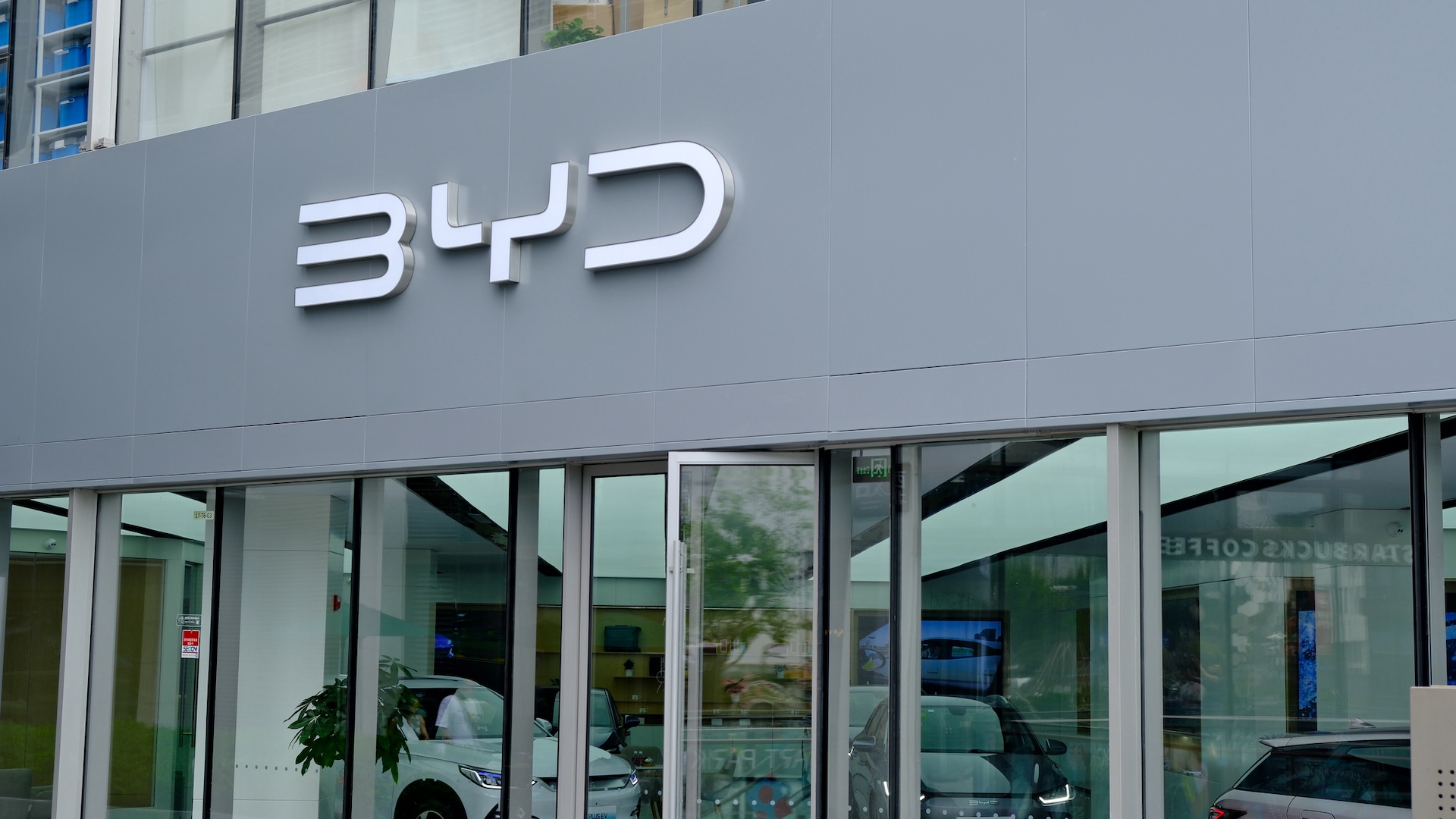
- BYD Battery Shortage: Sales of BYD's latest rapid-charging EVs have exceeded expectations, creating a severe bottleneck where battery production cannot keep up with demand. This highlights the vulnerability of battery supply chains across the entire EV industry.
-
Global EV Sales Growing 20%, U.S. Lags Behind: According to a new IEA report, plug-in vehicle sales grew by 20% last year and are expected to exceed 23 million units in 2026. However, the U.S. appears to be falling behind in the transition to electrification.
-
Battery Electrolyte Market Growth: The market for battery-grade ethylene carbonate is expected to reach $805 million by 2032, driven by tighter purity standards for electrolytes set by EV battery manufacturers.
3. Core Industry Trends
Semiconductors
- Governments and companies worldwide are moving competitively to reorganize semiconductor supply chains. The demand from China's AI boom is straining the supply chain; according to SEMI China, China's share of global semiconductor production is expected to increase from 37% in 2026 to 42% in 2028.
- Regarding the revision of China's carbon emission metrics, a report suggests that new calculation methods have effectively "erased" half of the emission increases reported between 2020 and 2025, drawing attention to potential shifts in the industrial carbon regulatory environment.
Secondary Batteries & EVs
- Global plug-in EV sales are projected to top 23 million in 2026, with demand for rapid-charging EVs in China placing new pressure on battery supply chains.
- While battery storage capacity is expanding in the U.S., reliance on China remains high. One U.S. battery cell factory is scheduled to reach an annual capacity of 9GWh by mid-2026.
Automotive, Shipbuilding, & Steel
- The 13% increase in UK energy bills is expected to lead to higher energy costs across industries, including automotive manufacturing.
- Steel plants around Taiyuan, Shanxi Province—a major hub for China's steel industry—may see their regulatory burden adjusted due to changes in China's carbon emission indicators.
4. Key Corporate Moves
- CNOOC: Commenced full-scale production at the Kenli oilfield in Bohai Bay as part of efforts to boost China's domestic energy self-sufficiency.
- BYD: Facing a battery supply shortage after its latest rapid-charging EV model recorded sales far exceeding expectations. The company is taking measures to resolve production bottlenecks.
- Glencore / AustralianSuper: AustralianSuper has expressed a positive stance regarding the potential listing of Glencore on the Australian Securities Exchange (ASX). This is being noted as a key corporate move related to the capital-raising strategy of the global commodities trader.
5. Daily Insight
High oil prices and the resulting weakness in industrial metals like copper reflect concerns about a global economic slowdown. The 13% energy price hike by the UK's Ofgem and the delay in normalizing U.S. fuel prices suggest that the structural shocks the Middle East conflict has dealt to raw material supply chains will not be resolved in the short term. Specifically, the 17% strength in lithium carbonate prices can be read as a signal that growth in EV battery demand is outpacing the speed of supply expansion.
BYD's battery shortage illustrates this supply-demand imbalance. With global plug-in EV sales projected to exceed 23 million in 2026, supply chain bottlenecks could intensify further, especially as advanced rapid-charging technology requires higher-purity battery materials (such as the growth in the battery-grade ethylene carbonate market). CNOOC's full-scale operation of the Kenli field is part of China's strategy to respond to geopolitical uncertainty through stronger energy self-sufficiency, which could act as a variable in Chinese crude oil supply.
6. What to Watch Next
- Asian Summer Energy Demand: Keep an eye on how early heatwaves impact coal and gas supply, and whether energy supply tensions emerge in Asia.
- U.S. Bond and Stock Market Correlation: Focus on analyses of whether U.S. Treasury bonds are exerting pressure on the stock market. The S&P 500 is currently at 7,519.12 (+0.61%).
- Glencore ASX Listing Announcements: Monitor for official statements from Glencore following AustralianSuper’s positive remarks, and look for shifts in the global commodities trader's financing strategy.
7. Reader Action Items
- Review Battery Material Procurement Strategy: Prepare for the possibility that BYD’s battery shortage could spread industry-wide by diversifying battery cell/material purchase contracts and checking inventory levels. Specifically, monitor whether the 17% strength in lithium carbonate prices persists.
- Re-evaluate Energy Cost Hedging: Given the structural rise in global energy costs—evidenced by the 13% UK energy hike and persistent U.S. fuel prices—recalculate the impact on manufacturing and logistics costs and review energy price hedging positions.
- Monitor Copper Buying Timing: The chain of rising oil prices leading to global growth fears and subsequent copper declines may provide short-term adjustment opportunities. Procurement teams planning mid-to-long-term facility investments should review potential contract-signing windows during the current copper price weakness.
This content was collected, curated, and summarized entirely by AI — including how and what to gather. It may contain inaccuracies. Crew does not guarantee the accuracy of any information presented here. Always verify facts on your own before acting on them. Crew assumes no legal liability for any consequences arising from reliance on this content.
Powered by
