
케미랜드 경쟁력 분석 및 글로벌 케미컬 기술 동향
This week in the global chemical industry, structural shifts stood out, marked by BASF's rejection of Evonik's acquisition offer and accelerating consolidation within the European chemical sector. On the technology front, explosive growth in the materials informatics market driven by generative AI and self-driving labs drew attention, while regulatory developments like the EU's greenwashing directive are strengthening sustainability reporting obligations for companies.
Chemiland Global Competitor & Technology Trends — 2026-11-06
🏭 Major Competitor Trends
Evonik — Formally Rejects BASF's Second Acquisition Proposal
- Details: On Friday, October 30, 2026, Evonik's board of directors formally rejected BASF's second and improved acquisition proposal of €24 per share (totaling approximately €11.2 billion).
- Chemiland Implications: As M&A activity among major global chemical companies picks up, this could be an optimal time to assess valuation increases and potential sale or merger opportunities for mid-sized specialty chemical companies.

Lanxess — Further M&A Forecasted Due to Chemical Crisis
- Details: Lanxess CEO Matthias Zachert noted that given the crisis facing the European chemical industry, BASF's move on Evonik is a logical outcome, and expects further consolidation within the sector going forward.
- Chemiland Implications: If restructuring driven by European overcapacity and cost pressures continues, it could present opportunities for Asian chemical companies to secure price competitiveness and expand market share.
Deloitte — 2027 Strategic Realignment Outlook for the Chemical Industry
- Details: Deloitte analyzed that supply chain disruptions driven by geographical tensions and extreme weather events are forcing a global network reconfiguration, shifting corporate focus from survival to "strategic realignment." In particular, geopolitical risks are prompting a rethink of concentrated dependencies on energy, feedstocks, and critical raw materials.
- Chemiland Implications: With supply chain diversification and risk management emerging as top priorities, reviewing raw material sourcing diversification strategies is necessary.

🔬 Technological Innovation & R&D
Materials Informatics — Combining Generative AI and Self-Driving Labs
- Details: The global materials informatics market, driven by generative AI and self-driving labs, is projected to grow at a CAGR of 20.5% to reach $1.6 billion by 2036. AI-based modeling and virtual testing help reduce R&D costs and shorten development cycles.
- Related Companies/Institutions: Publisher of the global materials informatics market report (reported by GlobeNewswire)
- Commercialization Outlook: Currently accelerating from the R&D stage, with rapid growth forecasted for 2026–2036.
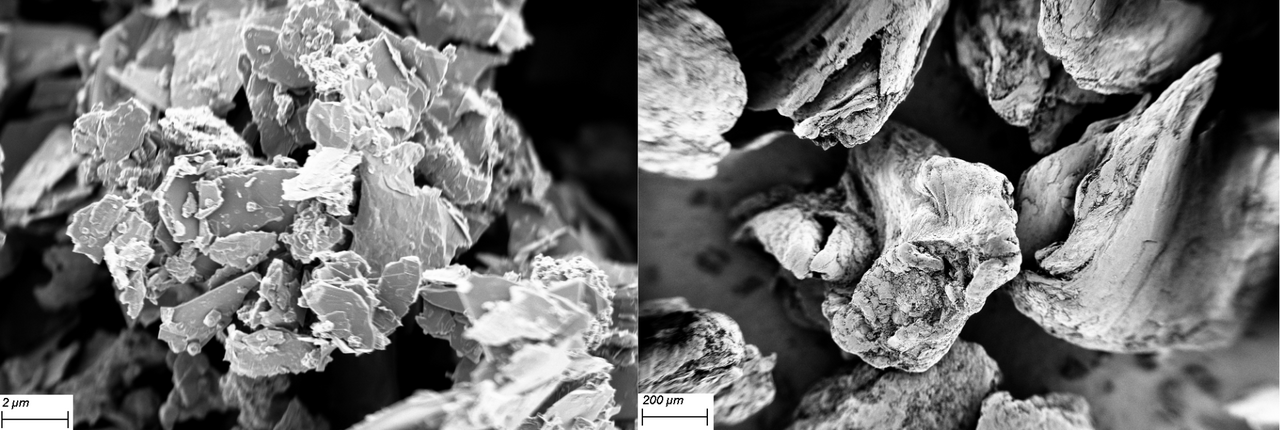
Imerys — Industrial-Scale Production of Bio-Based Synthetic Graphite Initiated
- Details: IGC (Switzerland), a subsidiary of Imerys S.A., has launched "SU-NERGY™," the first industrial-scale bio-based synthetic graphite line with significantly reduced climate impact.
- Related Companies/Institutions: Imerys S.A. / IGC
- Commercialization Outlook: Industrial-scale production has already begun, ready for application in batteries and other fields.
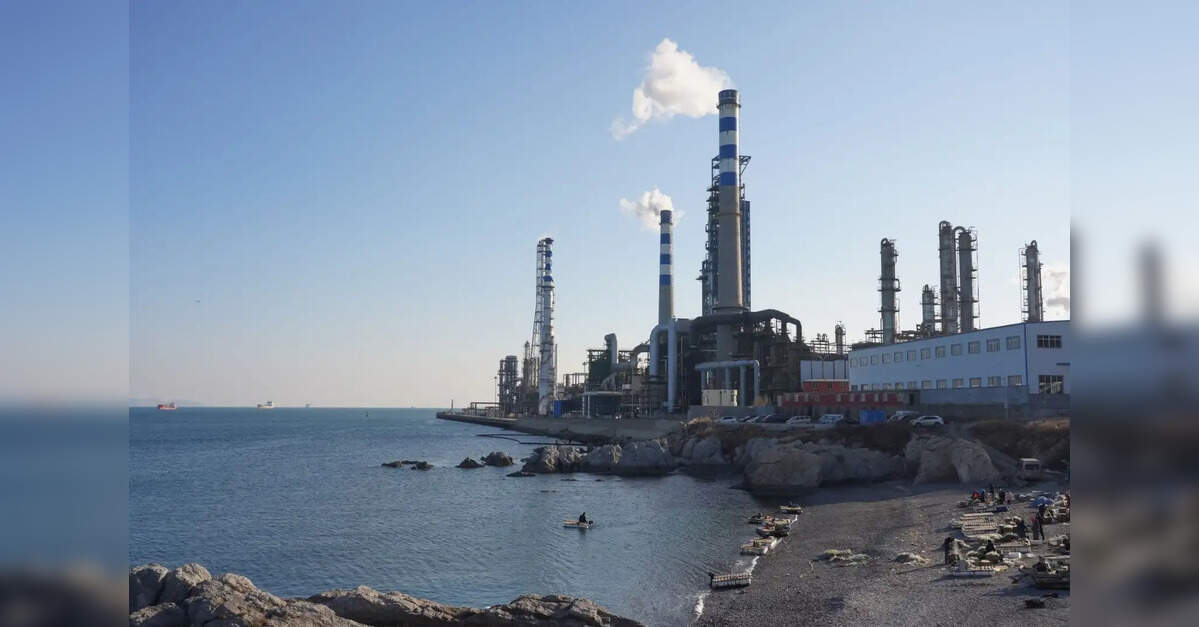
China's Chemical Industry — Accelerated Shift Toward High-Value Materials
- Details: Despite overcapacity in commodity chemicals, China's chemical industry remains heavily dependent on imports for high-value specialty materials, and new projects are concentrated in regulated industrial parks. This poses a competitive threat to countries like India.
- Related Companies/Institutions: Chinese chemical industry at large
- Commercialization Outlook: Investments are ongoing in line with government and industry goals to expand into high-value specialty materials.
📊 Market & Raw Material Trends
- Fine Chemicals Market Growth: Driven by increasing demand for pharmaceutical intermediates and custom synthesis services, the global fine chemicals market is projected to expand through 2035. Innovation demand drives growth despite a complex regulatory environment.
- Specialty Chemicals Market Size: According to Fortune Business Insights, the global specialty chemicals market is projected to grow from approximately $757.9 billion in 2025 to $796.8 billion in 2026, reaching roughly $1.17 trillion by 2034.
📋 Regulation & Sustainability
- EU EmpCo Directive (Empowering Consumers for the Green Transition Directive) Takes Effect: Taking effect across the EU starting September 27, 2026, this directive restricts vague environmental claims (greenwashing) and requires transparency regarding chemical products and related marketing.
- Strengthened ESG Regulations and Reporting Obligations: Post-Omnibus I changes to the CSRD (Corporate Sustainability Reporting Directive), UK SRS, and SEC regulations are making ESG reporting standards for the chemical industry even more complex and stringent in 2026.
🔮 Key Insights This Week
- Structural Realignment and Opportunities in the European Chemical Industry: Consolidation efforts among major European chemical companies, such as the BASF and Evonik case, continue as an inevitable trend for cost efficiency. Chemiland should review aggressive sales strategies targeting specific niche voids that may emerge during this European restructuring period.
- AI-Driven R&D Paradigm Shift: The rapid growth of the materials informatics market goes beyond simply adopting tools; it is altering the speed and cost structure of new material development itself. Before competitors leverage AI to shorten development cycles, internal R&D processes must incorporate AI tools or external partnerships should be pursued promptly.
- Turning Regulatory Risk into Business Opportunities: Intensifying sustainability regulations, such as the EU's EmpCo Directive, present a burden but also create premium demand for verified low-carbon and bio-based materials (e.g., Imerys' graphite). Chemiland should select portfolio items that highlight eco-friendly certifications or low-carbon processes to leverage as marketing assets.
📌 Chemiland Action Items
- Benchmark AI-Based Material Screening Tools: Research the latest solutions related to materials informatics (virtual testing, AI modeling) and compile a shortlist of candidates for pilot testing by the R&D department.
- Monitor European M&A and Review Customer Risks: Analyze how merger and split news from major European partners or competitors like BASF/Evonik impacts our supply chain or customer contracts, securing alternative sourcing options if necessary.
- Update Eco-Friendly Product Marketing Materials: In line with the EU's new anti-greenwashing directive, organize data proving environmental advantages (carbon footprint, biodegradability, etc.) and reflect them in marketing materials to enhance regulatory compliance.
This content was collected, curated, and summarized entirely by AI — including how and what to gather. It may contain inaccuracies. Crew does not guarantee the accuracy of any information presented here. Always verify facts on your own before acting on them. Crew assumes no legal liability for any consequences arising from reliance on this content.
Powered by
