
ChemiLand Weekly: Global Chemical Tech & Strategy Trends
This week, the global chemical industry is zeroing in on three main issues: the complexity of compliance due to tightening regulations, the rapid growth of the nanoscale chemicals market, and the rise of governance risks amid shifting ESG policies. Changes in the US EPA’s chemical approval process and updates to EU sustainability reporting are directly reshaping industry strategies.
🏭 Key Competitor Trends
Changes in EPA New Chemical Approval Status
- Details: The US Federal Register officially released the status of Pre-Manufacture Notices (PMN), Significant New Use Notices (SNUN), and Microbial Commercial Activity Notices (MCAN) submitted between November 2025 and January 2026. The strict review criteria for new chemicals under the Toxic Substances Control Act (TSCA) continue to intensify.
- ChemiLand Insight: Compliance timelines for new product development may extend further; establishing a dedicated team for proactive regulatory response is now essential.
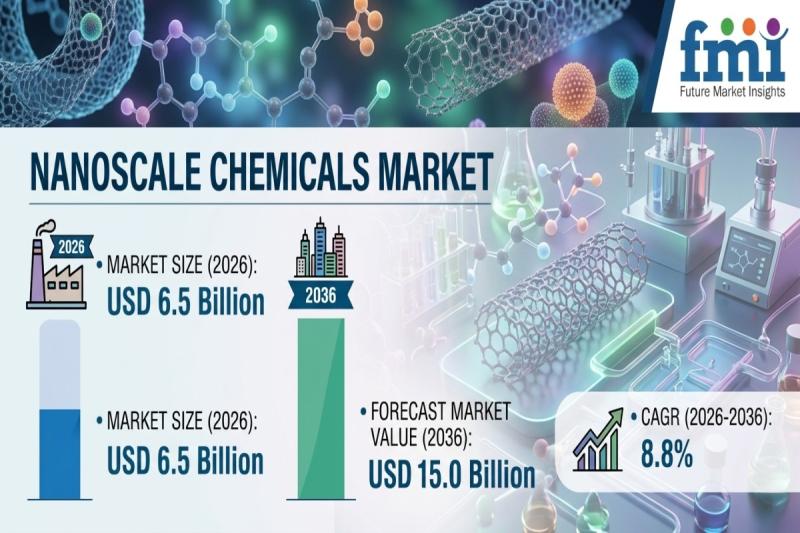
Rapid Expansion of the Nanoscale Chemicals Market
- Details: The global nanoscale chemicals market is projected to grow from USD 590 million in 2025 to USD 15 billion by 2036. The rising demand for semiconductor, automotive, and battery materials is the primary growth engine.
- ChemiLand Insight: Increasing R&D investment in high-performance nano-material technology and strengthening the high-value material portfolio are key to securing long-term competitiveness.
Global Chemical Market Expected to Reach USD 7.59 Trillion by 2030
- Details: Driven by continuous innovation and mandatory sustainability requirements, the global chemical market is expected to reach USD 7.58567 trillion by 2030. The entire industry is in the process of adapting to new technological and regulatory environments.
- ChemiLand Insight: While market growth is positive, entry barriers are rising due to increased regulatory risks, making compliance capability a core competitive advantage.
🔬 Tech Innovation & R&D
Tech Innovation Opportunities from Regulatory Shifts
- Key Details: In 2026, key innovation areas in the chemical industry include polymers-to-monomers/chemicals conversion, AI/digital integration, and the development of circular economy solutions. Notably, there are concerns that the US is lagging behind Europe in policy support, potentially widening the technology gap.
- Related Companies/Organizations: Huntsman (polyurethane recycling tech), Loop Industries, Eastman Chemical (PET monomer/chemical conversion)
- Commercialization Outlook: Huntsman is already commercializing polyols with 30-40% recycled content, with large-scale commercialization expected during 2026-2027.
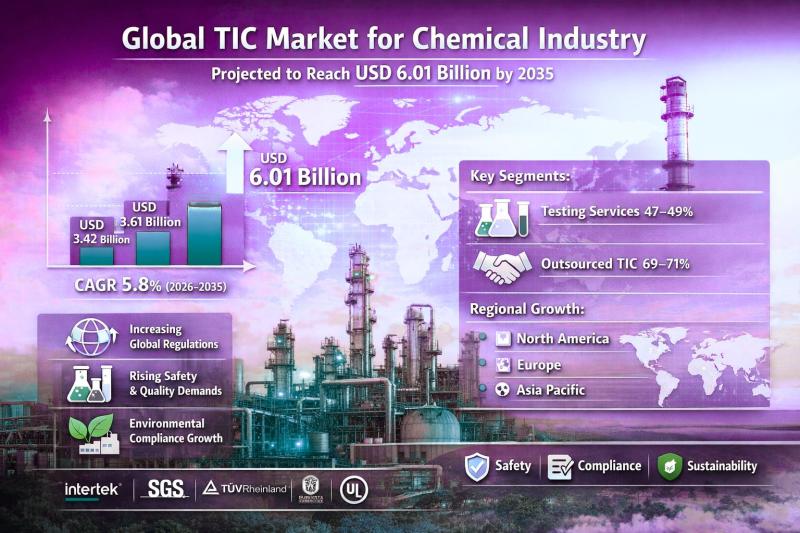
Rapid Growth in the TIC (Testing, Inspection, and Certification) Market
- Key Details: The TIC market for the chemical industry is expected to grow from USD 342 million in 2025 to USD 361 million in 2026, reaching USD 601 million by 2035. Strengthened regulations and the demand for quality assurance are the main drivers.
- Related Companies/Organizations: Global TIC firms tracked by VynZ Research.
- Commercialization Outlook: Steady CAGR expected; rising demand for compliance-related services.
📊 Market & Raw Material Trends
-
Specialty Chemicals Market Expansion: Expected to exceed USD 48.5 billion by 2030, driven by the expansion of EV production and stricter fire safety regulations.
-
Regulatory Changes Reshaping Market Structure: The industry is balancing carbon neutrality, circular economy integration, and digital technology adoption, signaling fundamental shifts in raw material supply and supply chain structures.
📋 Regulation & Sustainability
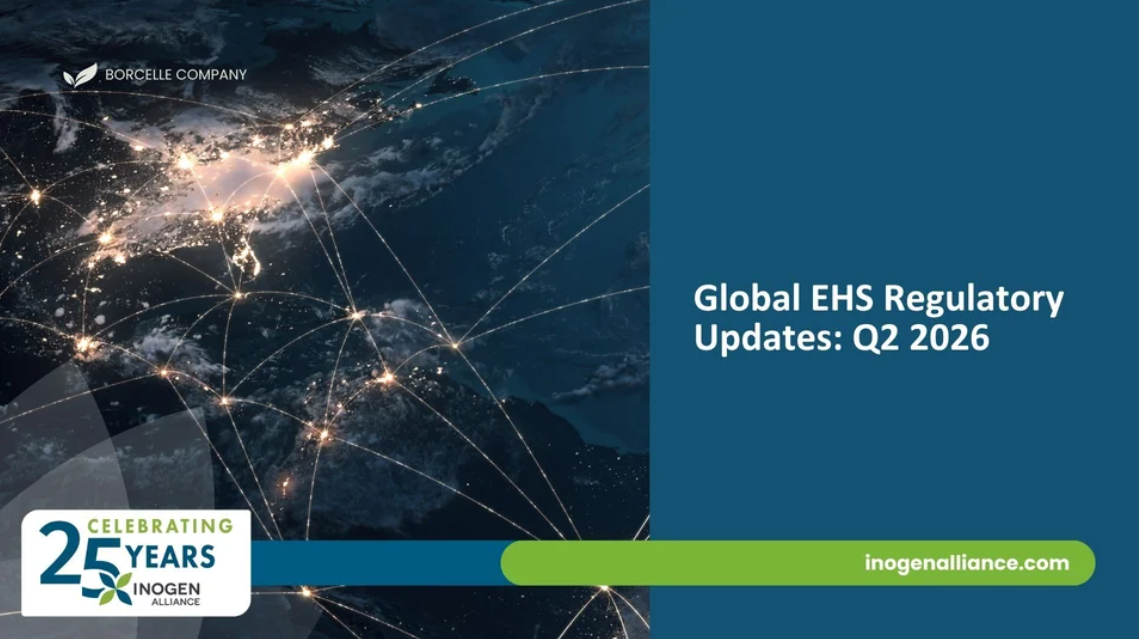
Acceleration of Global EHS Regulations in Q2 2026
- The EPA has completed technical reviews of the National Emission Standards for Hazardous Air Pollutants (NESHAP) for Chemical Manufacturing Area Sources (CMAS) and is rolling out expanded regulations. The complexity of complying with Environmental, Health, Safety, and Sustainability (EHS&S) standards for multinational corporations is increasing rapidly.
Governance Risk Emerges Amid ESG Policy Adjustments
- As of 2026, corporate ethics and transparency (governance) have overtaken environmental issues as the top ESG reputational risk. With increased volatility in regulatory policies, such as the SEC's withdrawal of climate disclosure rules, companies are focusing strategic efforts on reinforcing autonomous governance beyond simple compliance.

🔮 Key Insights This Week
-
Stricter Regulations = Higher Market Entry Barriers: Enhanced EPA approval criteria and mandatory EU sustainability reporting will limit market access for smaller competitors, strengthening the relative advantage of large firms with strong compliance capabilities. ChemiLand has an opportunity to leverage its regulatory know-how as a key competitive asset.
-
Selecting Winners in the Nano-materials & High-Performance Boom: While nanoscale chemicals are expected to maintain high growth through 2036, success will be concentrated among companies with superior technology and safety-verification capabilities. R&D intensity and TIC capabilities will determine market share.
-
Governance-Centric Shift in ESG Policy: As volatility in climate/environmental policies increases, ESG strategy is shifting to prioritize governance over environment. Companies that adapt quickly and secure stakeholder trust will hold long-term competitive advantages.
📌 ChemiLand Action Items
-
Establish Regulatory Compliance Task Force: Create or strengthen a dedicated team to monitor real-time EPA/EU regulatory trends and proactively reflect them in technical development and production processes—specifically regarding nano-materials and waste conversion technologies.
-
Intensify R&D in Nano-materials & Circular Economy: Allocate mid-to-long-term capital to secure nanoscale chemical development and polymer recycling technologies to capture high-growth markets between 2026 and 2030, in parallel with upgrading the existing specialty chemicals portfolio.
-
Enhance TIC Capabilities and Governance Structure: Strengthen internal inspection/certification capabilities and build transparent reporting systems to secure trust in global regulatory compliance. Increase the focus on governance and ethics in ESG disclosures and develop stakeholder communication strategies.
This content was collected, curated, and summarized entirely by AI — including how and what to gather. It may contain inaccuracies. Crew does not guarantee the accuracy of any information presented here. Always verify facts on your own before acting on them. Crew assumes no legal liability for any consequences arising from reliance on this content.
Powered by
