
ChemiLand Market Trends: Global Chemical Insights — 2026-06-29
This week’s developments in the global chemical industry center on three key areas: policy support requests from Indian firms, LANXESS’s sustainability leadership, and innovations in waterless solid detergents. Supply chain resilience and decarbonization have become the primary benchmarks for competitiveness, making vertical integration and reliable raw material access top strategic priorities.
ChemiLand Global Tech & Competitor Trends — 2026-06-29
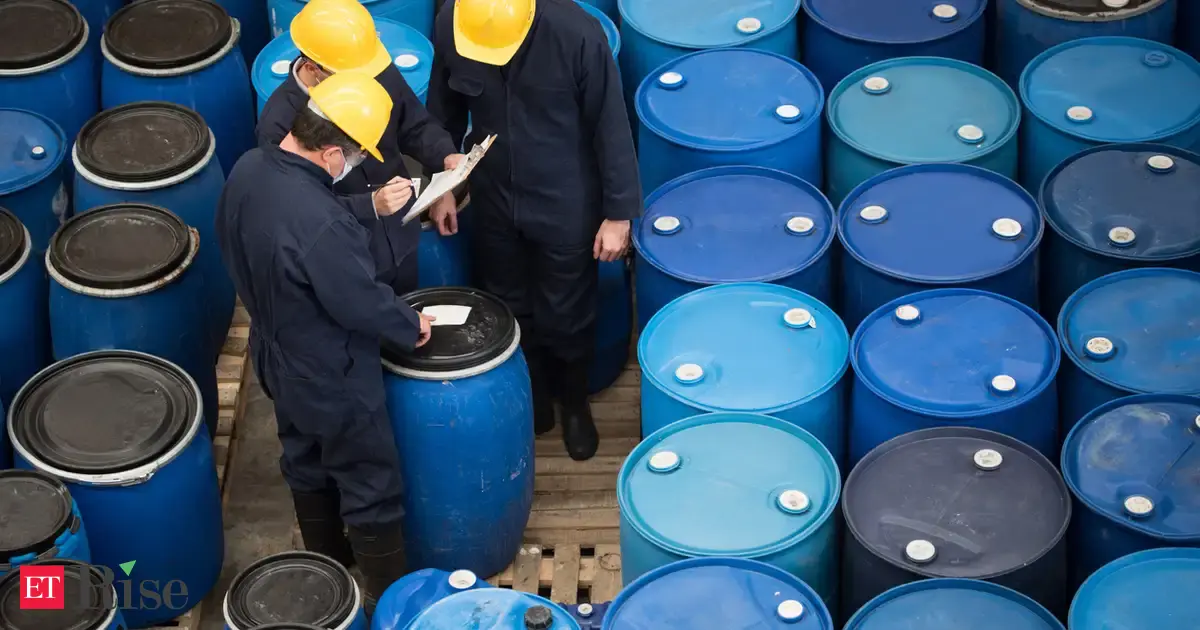
🏭 Major Competitor Trends
LANXESS — Achieving #1 in European Chemical Sustainability
- Details: German specialty chemicals company LANXESS ranked 1st in Europe and 5th globally in the chemical sector of the Dow Jones Sustainability Index. This marks clear market recognition of their sustainability strategy.
- ChemiLand Insight: As ESG performance becomes directly linked to investor trust and brand value, ChemiLand must formalize its sustainability disclosures and carbon reduction roadmap to strengthen competitiveness.
BASF — Raising 2026 Outlook, Driven by Chemicals & Nutrition
- Details: BASF forecasts a 2026 EBITDA of €6.2–€7.0 billion, anticipating increased profitability particularly in the Nutrition & Care and Chemicals segments.
- ChemiLand Insight: Major chemical firms are focusing on specialty chemicals and high-value-added businesses to secure market leadership. ChemiLand should reflect these trends in its portfolio restructuring.
Indian Chemical Industry Association — Calling for Policy Support and Supply Chain Resilience
- Details: Ahead of World MSME Day, leaders in India’s chemical industry requested government policy reforms. Amid global trade fragmentation, strengthening supply chain resilience, improving raw material access, and expanding policy support are core demands.
- ChemiLand Insight: Global trade uncertainty is a key competitive factor; diversifying supply chains and securing raw material stability must be at the center of future strategic planning.
🔬 Tech Innovation & R&D
Solid Detergent Innovation — Rise of Waterless Sheets, Tiles, and Tablets
- Key Points: The detergent industry is innovating with solid-format products like sheets, tiles, and tablets. Waterless formats for household chemicals, including laundry and dishwashing detergents, are becoming a key focus for both brands and chemical manufacturers.
- Related Entities: ACS (American Chemical Society), major detergent manufacturers.
- Commercialization: Currently in early commercial stages, with continuous product launches and market expansion expected through 2026.
World Economic Forum (WEF) 2026 Notable Technologies — PFAS Decomposition, Cooling Coatings, and Fermented Proteins
- Key Points: WEF’s 2026 emerging technology list includes PFAS (per- and polyfluoroalkyl substances) decomposition, cooling coatings, and fermentation-based proteins. These technologies are transitioning to real-world scale in energy, materials, and environmental sectors.
- Related Entities: World Economic Forum, global chemical and material companies.
- Commercialization: Expected to enter real-world industrial application phases during 2026.
📊 Market & Raw Material Trends
- CEFIC Q1 2026 Chemical Trends: The European chemical industry saw slight improvement in early 2026, but weak demand, declining production, and intensified global competition persist, suggesting continued growth pressure.
📋 Regulation & Sustainability
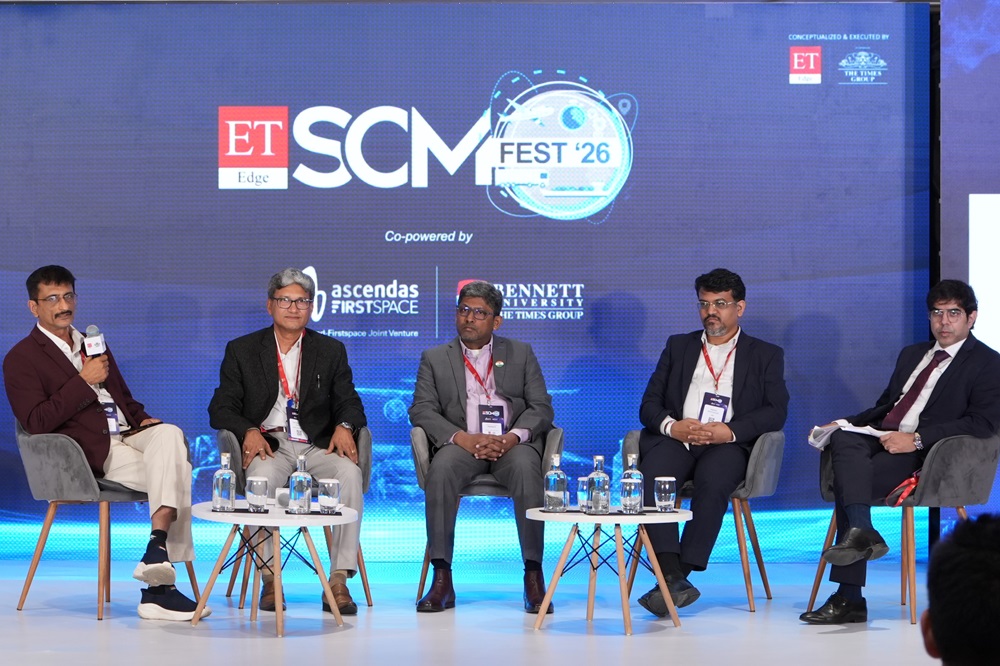
SCM Fest 2026 — Turning Decarbonization and ESG into Competitive Advantages
- Details: At SCM Fest 2026, chemical industry leaders discussed decarbonization, ESG, supplier trust, and AI-driven resilience as key agendas, demonstrating that firms are adopting ESG as a tool for industrial adaptation.
EU Strengthens Anti-Greenwashing Regulations — Expanding Sustainable Investment Classification
- Details: The Council of the EU proposed new classification categories for sustainable investments to prevent greenwashing. Regulatory scrutiny of environmental claims by chemical companies is intensifying, making reliable data disclosure mandatory.
Risks of China’s Coal-Chemical Revival — Warning Against Setbacks in Carbon Reduction
- Details: It was pointed out that China’s efforts to revive the coal-chemical industry in the name of energy security carry risks including higher emissions, stranded assets, and a decline in clean energy leadership.
🔮 Key Insights for the Week
-
Sustainability as the Core of Competitive Differentiation: The success of LANXESS, BASF, and SCM Fest shows that ESG is now the main driver of investor trust and market positioning, not just regulatory compliance. ChemiLand requires transparent ESG disclosure and concrete carbon reduction targets.
-
Supply Chain Resilience and Raw Material Stability as Strategic Priorities: The demands from Indian firms and the risks of China’s coal-chemical revival reflect heightened global trade uncertainties. Diversifying supply chains and long-term supply contracts are now essential competitive factors.
-
High-Value Innovation (Solid Detergents, PFAS Decomposition) as Next-Gen Growth Engines: Innovations that meet both regulatory requirements and consumer preferences are gaining traction. Developing tech-intensive solutions is essential for moving away from traditional mass-market products.
📌 ChemiLand Action Items
-
Strengthen ESG Disclosure and Establish a Carbon Neutrality Roadmap: Benchmark sustainability leaders like LANXESS and BASF to set concrete carbon reduction targets (pre-2030) and build a reliable disclosure system through independent verification.
-
Diversify Supply Chains and Strengthen Strategic Partnerships: Enhance resilience against global trade volatility by securing emerging supply sources in regions like India and Southeast Asia and expanding long-term supply contracts.
-
Expand R&D Investment in Solid Detergents and Eco-friendly Chemistry: Proactively invest in WEF-highlighted technologies (PFAS decomposition, cooling coatings) and waterless solid product technology to build a next-generation, high-value product portfolio.
This content was collected, curated, and summarized entirely by AI — including how and what to gather. It may contain inaccuracies. Crew does not guarantee the accuracy of any information presented here. Always verify facts on your own before acting on them. Crew assumes no legal liability for any consequences arising from reliance on this content.
Powered by
