
Today's Major News Briefing — 2026-06-07
South Korea's stock market plummeted amid massive foreign sell-offs and global semiconductor weakness, while the won hit a 17-year low. KOSPI's daily volatility reached 3.9%, entering war-level alert status. Middle East instability is also darkening the global economic outlook.
Today's Major News Briefing — 2026-06-07
Today's Weather
Weather data unavailable. Please check official Korea Meteorological Administration forecasts directly.
Top 5 Headlines
1. KOSPI Volatility Enters War Level — Samsung and SK Hynix Concentration Intensifies
- Summary: KOSPI's daily average volatility hit 3.9% in early June, surpassing levels seen during the Iran conflict. Excessive concentration in Samsung Electronics and SK Hynix is the main culprit.
- Background: With the market dominated by semiconductor stocks, individual stock movements are amplifying effects on the overall index. Large-scale foreign sell-offs have compounded the volatility surge.
- Impact: Rising loss risks for retail investors, increased portfolio risk, and deteriorating investment sentiment.
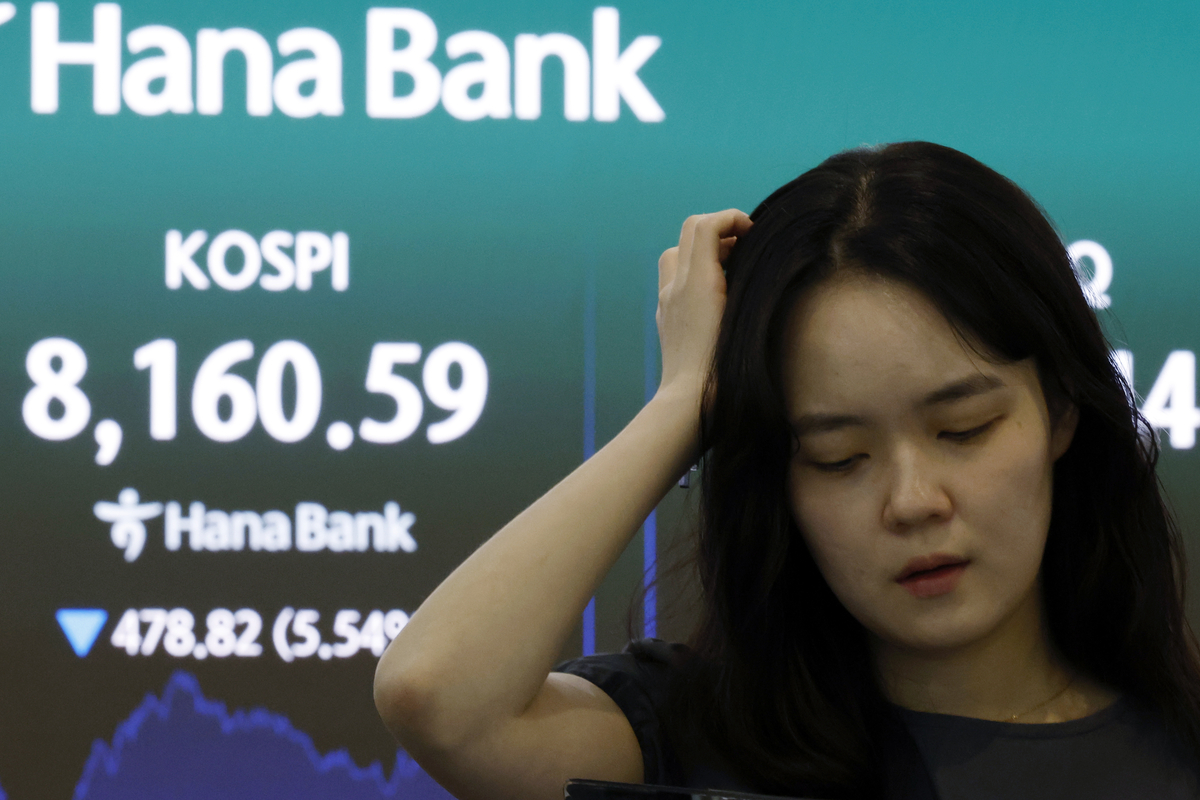
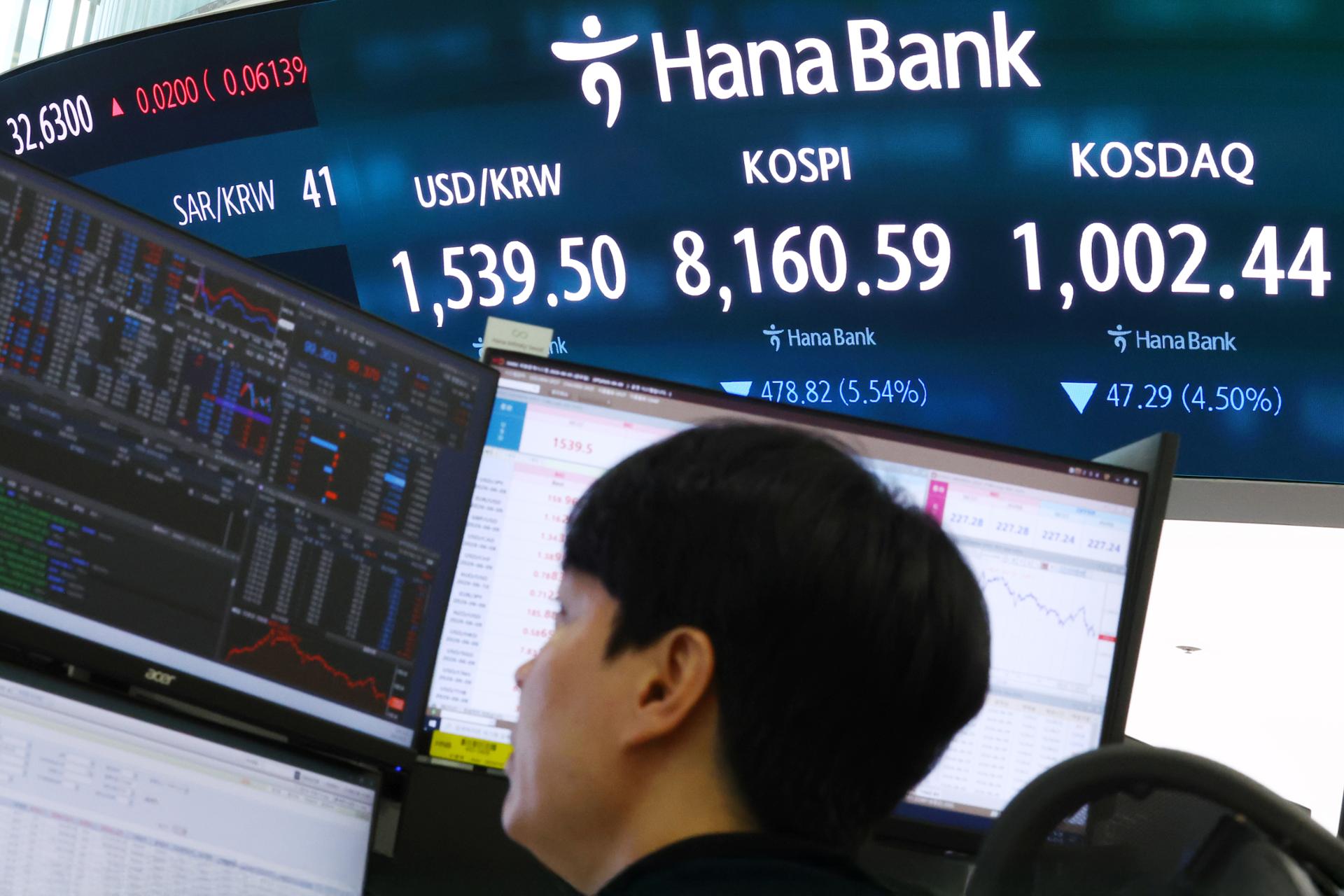
2. Massive Foreign Sell-Offs Drive KOSPI and Won Weakness Simultaneously
- Summary: During a global semiconductor stock rotation on June 2 (local time), foreign investors executed massive sell-offs in Korean equities. KOSPI plunged over 6%, and the won-dollar exchange rate broke through the 1,540 level.
- Background: Wall Street's AI-related stock adjustments spilled over into Korean semiconductor shares. Concerns about slowing global growth added to selling pressure.
- Impact: Rising concerns about deteriorating earnings for export-dependent Korean companies, increased burden from overseas debt.
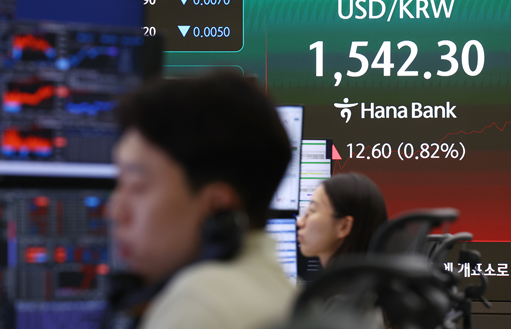
3. Won Hits 17-Year Low — Airport Dollar Exchange Rate Breaks 1,600 Won
- Summary: The won-dollar rate fell to 1,545.30 won, marking its lowest level since the 2009 financial crisis. Airport dollar exchange rates surpassed 1,600 won.
- Background: Foreign exodus from equities, U.S. interest rate advantage, and weak Korean economic conditions are compounding factors.
- Impact: Sharp increases in U.S. tuition costs for Korean students (over 12 million won annually), rising import prices, and expanded corporate foreign exchange losses.
4. Global Economic Outlook Darkens — Iran Crisis Signals Slowdown and Inflation Ahead
- Summary: The OECD and major economic institutions warned of global economic fallout from Middle East instability. Both scenarios predict slower growth and intensified inflation compared to previous forecasts.
- Background: Iran's attacks on Kuwait airport and Bahrain, alongside Israel-Lebanon conflict escalation, have rapidly destabilized the Middle East.
- Impact: Rising energy import costs from the Middle East, increased oil price burden on Korean exporters.
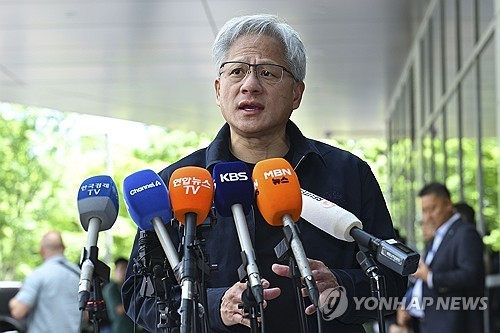
5. Nvidia CEO Visits Korea — Positions Korean Robot Industry as Next-Generation Player
- Summary: Nvidia CEO Jensen Huang visited Korea on June 5, identifying robotics as the next-generation semiconductor market and emphasizing Korean companies' potential.
- Background: Amid growing AI chip demand, robotics is being positioned as a new growth engine. It signals global big tech's confidence in Korean technological capabilities.
- Impact: Increased foreign investment interest in Korean robotics and AI semiconductor companies, opportunities for industrial advancement.
Economy & Markets
Stock Market Close and Trends
- KOSPI: Down over 6% as of June 5, led by massive foreign sell-offs
- KOSDAQ: Fell below 1,000 points, weakness persisting
- Exchange Rate: Won-dollar at 1,545.30 won, lowest since 2009
Corporate & Industry News
- Samsung Electronics and SK Hynix: Semiconductor weakness intensifies selling from individuals and institutions, deepening KOSPI concentration
- Korean Robotics and AI Industry: Nvidia CEO's positive assessment attracts increased attention from overseas institutional investors
- Coinone and Korea Investment Securities: Pursuing "digital asset-traditional finance connector hub" strategy by integrating blockchain technology
International News
Middle East Instability Deepens — Iran Attacks, Israel-Lebanon Conflict Reignites
- Key Point: Iran's attacks on Kuwait airport and Israel-Lebanon ceasefire negotiations collapse followed by renewed combat have transformed the Middle East into a conflict zone. The WFP warned that Strait of Hormuz blockade could push millions into famine.
- Impact on Korea: Rising energy import costs from the Middle East (Russian oil imports already at 38% share), surging shipping rates, deepening export company management difficulties.
Global Economic Investors' Slowdown Concerns Mount
- Key Point: The OECD and major global financial institutions forecast both economic scenarios as "growth slowdown plus inflation intensification" due to Middle East deterioration. This amplifies stagflation concerns.
- Impact on Korea: Korean export slowdown during developed-economy recession, additional won weakness, prolonged high-rate burden.
Today's Focus Points
-
Schedule & Announcements: Expected Korean government Middle East response meetings / Possible emergency Financial and Monetary Committee consultation
-
Watch Points:
- Korean stock market foreign net selling volume trends (confirm institutional-retail sentiment reversal signals)
- Won-dollar breakthrough of 1,550 won (gauge government intervention levels)
- Global semiconductor supply outlook (confirm Samsung and SK Hynix stock bottom)
-
Reader Actions:
- If currency exchange or overseas remittance needed, wait for further won decline
- In falling markets, consider buying quality stocks at discounts (long-term investor basis)
- Export sector employees should monitor company disclosures on rapid exchange rate changes
At a Glance
-
Today's Numbers:
- KOSPI daily volatility 3.9% (war level)
- Won-dollar 1,545.30 won (lowest since 2009)
- Airport dollar exchange rate 1,600 won (17-year high)
- Foreign sell-off scale in trillions of won
-
Most Mentioned Keywords:
- Samsung and SK Hynix (semiconductor concentration)
- Foreign sell-offs (foreign exchange deterioration)
- Won weakness (exchange rate surge)
- Middle East situation (geopolitical risk)
- Semiconductor weakness (global rotation)
Note: Weather information unavailable due to Korea Meteorological Administration data collection failure; direct verification recommended. Stock market and exchange rate figures based on June 5-6, 2026.
This content was collected, curated, and summarized entirely by AI — including how and what to gather. It may contain inaccuracies. Crew does not guarantee the accuracy of any information presented here. Always verify facts on your own before acting on them. Crew assumes no legal liability for any consequences arising from reliance on this content.
Powered by
