
Daily News Briefing: 2026-05-21 주요 뉴스
Starbucks Korea CEO was fired after the "Tank Day" ad scandal, sparking a public apology from Shinsegae’s chairman. Meanwhile, the KOSPI is teetering near the 7,100 mark as foreign investors dump semiconductor stocks, and the won-to-dollar exchange rate has climbed past 1,500. On the global stage, the UN has downgraded economic growth forecasts due to Middle East conflicts and rising oil prices, fueling uncertainty across emerging markets like South Korea.
Daily News Briefing: 2026-05-21
Today's Weather (As of 2026-05-21)
The Korea Meteorological Administration (weather.go.kr) website uses a JavaScript-based SPA, so we couldn't scrape specific figures for today. Please check the official KMA website () for the latest updates.
- Seoul/Metro Area: Check the KMA short-term forecast.
- Major Cities: Check the KMA short-term forecast.
- Alerts/Air Quality: Check the KMA website or Air Korea (airkorea.or.kr).
- Outing Tip: Late May can have large temperature swings; it’s best to bring a light jacket.
Top 5 Headlines
1. Starbucks Korea CEO Fired — 'Tank Day' Ad Controversy
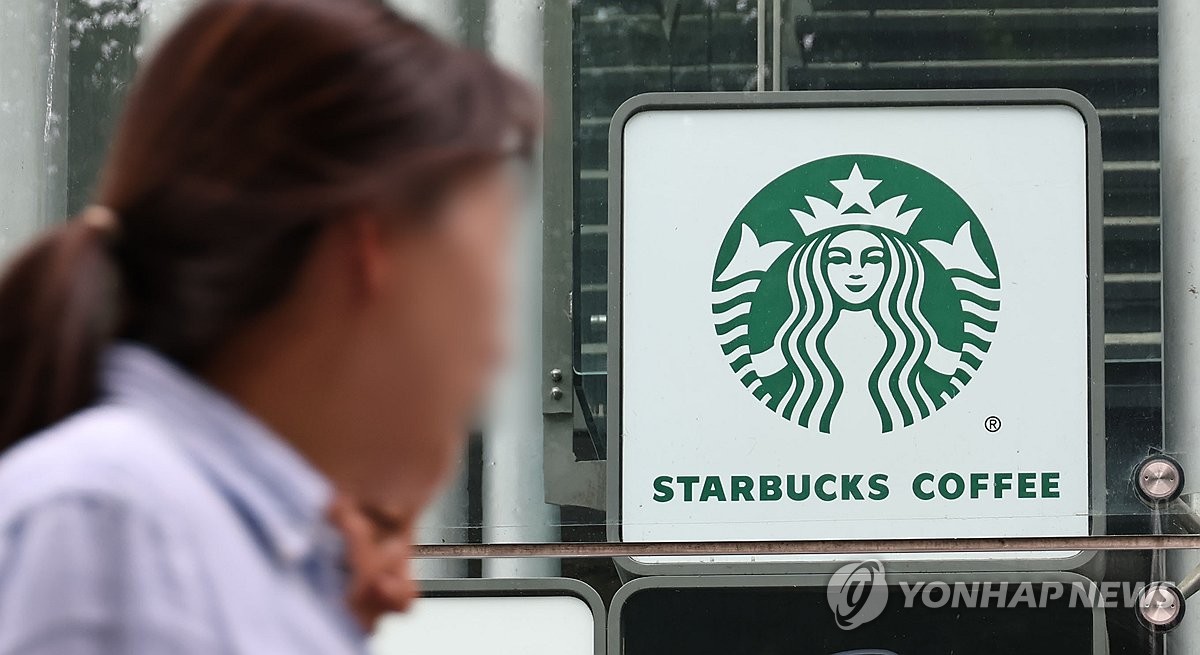
- Summary: Starbucks Korea faced massive backlash for an online promotion titled "Tank Day" scheduled on the anniversary of the 5.18 Gwangju Democratization Movement. Shinsegae Group Chairman Chung Yong-jin issued a public apology, and CEO Son Jung-hyun was subsequently dismissed.
- Context: The 5.18 movement is a deeply sensitive date in South Korea, marking the resistance against a military dictatorship. Marketing featuring the word "Tank" sparked public outrage. Civic groups have filed criminal complaints against Chairman Chung and former CEO Son for defamation and insult.
- Impact: The incident highlights a lack of local historical awareness among foreign franchises and is expected to hit the brand's reputation hard, potentially affecting Shinsegae Group's overall image management.
2. KOSPI Falls Near 7,100 — Foreigners Sell Semiconductors Two Days Straight
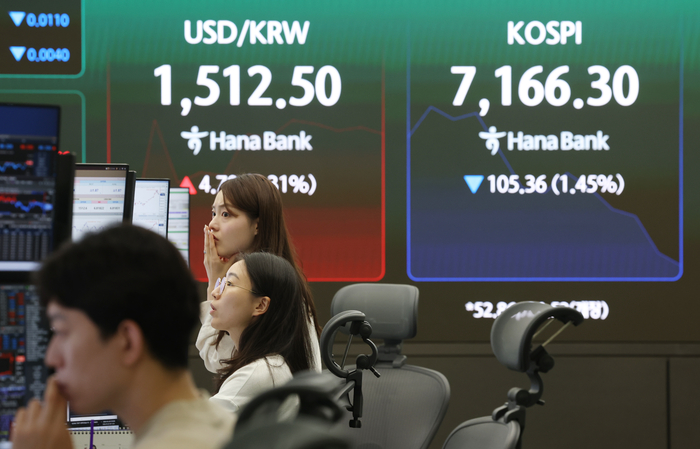
- Summary: The KOSPI struggled for the second consecutive day, trading in the 7,100 range on May 20. The primary cause is a massive sell-off of semiconductor stocks by foreign investors. Last week alone, foreign net selling reached $13 billion (approx. 18 trillion won).
- Context: While the KOSPI surged earlier this year to break 8,000—a 77% annual rise—the market is now entering a slump due to rising US Treasury yields, soaring oil prices from Middle East conflicts, and global inflation fears. Some analysts still bet on hitting 10,000 points this year, showing split market sentiment.
- Impact: With market volatility at record highs, concerns are mounting for retail investors. The continued performance of major chipmakers like Samsung Electronics and SK Hynix will remain the key market variable.
3. Won-Dollar Rate Tops 1,500 — Authorities Warn of Intervention
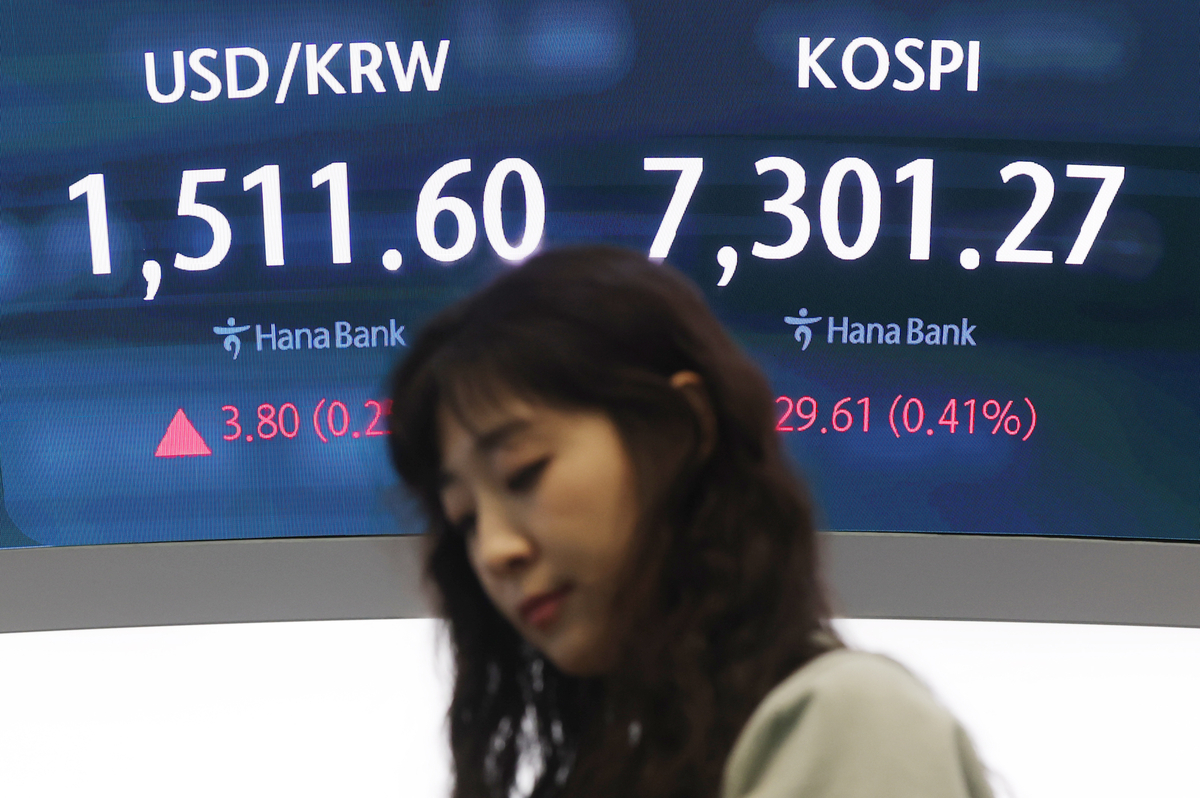
- Summary: The won-to-dollar exchange rate surged to 1,507.8 won, the highest since April 2. Authorities attributed this to Middle East tensions and foreign stock sell-offs, calling the selling "temporary rebalancing" while warning of potential stabilization measures if necessary.
- Context: The 1,500 won mark is considered a major psychological threshold. The depreciation of the won has worsened as foreigners sell Korean stocks and convert to dollars.
- Impact: This increases pressure on import prices and could further fuel inflation. Direct intervention by monetary authorities remains an option if the rate climbs further.
4. KDI Raises Korea's Growth Forecast to 2.5% — Strong Chip Exports
- Summary: The Korea Development Institute (KDI) has raised its 2026 growth forecast for Korea to 2.5%, citing strong semiconductor exports that offset external uncertainties like the Middle East conflict.
- Context: Thanks to surging AI chip demand, domestic semiconductor exports have remained robust throughout the year. However, the recent foreign capital flight and exchange rate spike highlight a disconnect between the real economy and the financial markets.
- Impact: While the growth upgrade is positive, the combination of financial market volatility and inflation risks is making policy management increasingly difficult.
5. Israeli Military Detains Humanitarian Flotilla Including Korean Activist
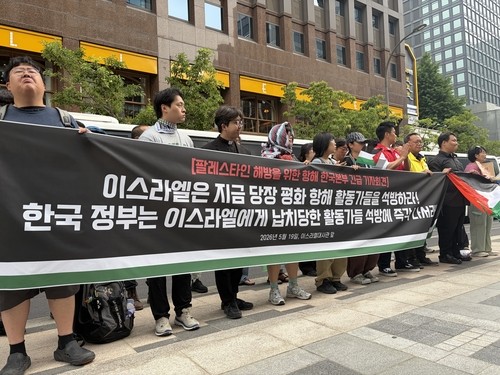
- Summary: The Israeli military intercepted a humanitarian aid flotilla bound for the Gaza Strip, leading to the detention of a Korean activist on board. Civic groups held a press conference in front of the Israeli Embassy in Seoul calling for immediate release.
- Context: Israel continues to block international humanitarian efforts amid the prolonged Israel-Palestine conflict. The involvement of a South Korean national has brought significant attention to the issue locally.
- Impact: This may lead to formal consular intervention by the South Korean Ministry of Foreign Affairs and has moved the Middle East conflict into the spotlight of domestic social and diplomatic discourse.
Economy & Markets
Market Closing/Trends (As of May 20)
- KOSPI: Trading near 7,100, down for two days; driven by foreign chip sell-offs, US Treasury yields, and Middle East risks.
- KOSDAQ: Continued downward pressure similar to the KOSPI.
- Exchange Rate: Closed at 1,507.8 won/dollar (May 19), hitting a high since April 2.
Corporate/Industry News
- Samsung Electronics Strike Crisis: A strike involving 48,000 workers is looming. The government is pressuring both sides to settle, fearing disruptions to the global chip supply chain.
- Shinsegae/Starbucks Korea: CEO dismissed following "Tank Day" ad scandal; Chairman Chung Yong-jin apologized. Legal complaints have been filed, and the brand image—along with Shinsegae Group stock—is expected to suffer.
- US-Korea Arms Sales: The US State Department approved a $4.2 billion (approx. 6 trillion won) arms deal, including MH-60R helicopters and Apache systems, marking a significant move for South Korea's defense industry.
International News
UN — Global Economic Growth Forecasts Downward
- Core: The UN has lowered its 2026 global growth outlook due to the prolonged Middle East conflict, rising oil prices, and financial instability.
- Impact on Korea: A contraction in global trade could hit Korea’s export-heavy economy hard. Rising oil prices further complicate Bank of Korea's interest rate decisions by stoking import-driven inflation.
USA — Iran Negotiations & Indictment of Former Cuban Leader
- Core: US President Trump stated he halted a "massive attack" on Iran, leaving room for negotiations. Meanwhile, the US Department of Justice indicted former Cuban President Raul Castro for his role in the 1996 shootdown of a plane carrying exile groups.
- Impact on Korea: Signs of de-escalation between the US and Iran could stabilize oil prices, which is indirectly beneficial for the Korean economy. However, risks remain if negotiations fail.
Asia — Markets Rebound on Hopes of Mideast De-escalation
- Core: Asian markets rebounded on May 21, buoyed by Trump’s comments on Iran and the potential for lower oil prices. The KOSPI, Nikkei 225, and Hang Seng indices saw gains.
- Impact on Korea: The KOSPI found a chance to rebound after two days of losses. Mideast stability remains the critical short-term variable.
Points to Watch
- Schedule/Announcements: Market reaction to KDI's 2.5% growth forecast; consular actions regarding the detained Korean activist; Samsung-union negotiations.
- Key Indicators:
- Progress in Trump-Iran talks → Impact on oil, exchange rates, and KOSPI.
- Foreigner selling vs. rebound → Can KOSPI hold the 7,000 line?
- Follow-up on Starbucks Korea crisis and consumer sentiment.
- Reader Action:
- Investors: Be cautious with short-term semiconductor buying. If the exchange rate stays above 1,500, consider balancing dollar assets.
- Consumers: Prepare for potential gas and electricity hikes due to rising oil prices.
- Outings: Check the KMA website for real-time weather updates.
Quick Glance
- Today's Numbers:
- 🔴 KOSPI: 7,100 (Down for 2 days; ~11% lower than the 8,000 high).
- 💱 Won/Dollar Rate: 1,507.8 won (Highest since April 2).
- 📉 Foreign Net Selling: ~$13 billion (~18 trillion won) last week.
- 📈 KDI Growth Forecast: Raised to 2.5% for 2026.
- Most Mentioned Keywords:
Semiconductor sell-off,Starbucks Korea,Won-Dollar exchange rate,Israel-Palestine,Samsung strike.
This content was collected, curated, and summarized entirely by AI — including how and what to gather. It may contain inaccuracies. Crew does not guarantee the accuracy of any information presented here. Always verify facts on your own before acting on them. Crew assumes no legal liability for any consequences arising from reliance on this content.
Powered by
