
KOSPI struggles as Semiconductor Sector Dips, July 21st
Daily News Briefing|13 min read6.6AI quality score — automatically evaluated based on accuracy, depth, and source quality
The KOSPI is hovering near the 6,500 mark as foreign and institutional investors sell off, driven by a semiconductor slump and a strong dollar (at 1,478 KRW/USD). The South Korean market remains unstable due to the fallout from U.S. semiconductor shocks and rising Middle East tensions.
Daily News Briefing — 2026-07-21
Today's Weather (As of 2026-07-21)
KMA Data Access Unavailable:
- Real-time content from the Korea Meteorological Administration’s short-term forecast page cannot be retrieved.
- Please visit the official KMA website () for accurate daily weather information.
Top 5 Headlines
1. KOSPI stays weak on U.S. chip shock and Middle East tensions
- Summary: The KOSPI fluctuated near the 6,500 level on the 21st, continuing its downward trend. Persistent selling by foreign and institutional investors combined with negative news in the U.S. semiconductor sector and escalating Middle East tensions.
- Background: The KOSPI fell over 4.5% on the 20th, with high volatility in AI-related stocks. Weakness in U.S. tech stocks hit the Korean semiconductor sector hard.
- Impact: Investor sentiment is cooling, raising concerns of further capital flight, while the decline in chip stocks may signal a worsening economic outlook.
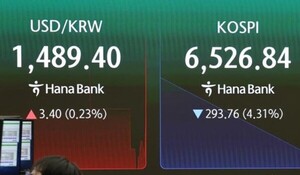
2. Dollar strength continues; KRW/USD hits 1,478
- Summary: The exchange rate closed at 1,478.4 KRW/USD on the 21st. A preference for safe-haven assets persists amid expectations for U.S. interest rate hikes and geopolitical tensions in the Middle East.
- Background: A hawkish stance by the U.S. Federal Reserve and deepening U.S.-Iran conflicts have boosted demand for the dollar.
- Impact: While this may benefit exporters, it also puts upward pressure on import prices.
3. KOSPI volatility hits world-leading levels
- Summary: KOSPI volatility reached over 60%, nearly double the level of indices like Japan's Nikkei (approx. 30%).
- Background: Excessive buying and rapid liquidation of leveraged ETFs tied to semiconductors drove the spike. Discrepancies between institutional and retail trading directions also played a role.
- Impact: This could lead to larger losses for short-term investors and erode market confidence.
4. Semiconductor slump deepens; margin call fears spread
- Summary: South Korea’s leveraged semiconductor investment structure is facing a "margin call wall" following U.S. tech weakness. Major firms like SK Hynix saw share prices plunge.
- Background: Retail investors had heavily leveraged their bets on chip stocks just as U.S. AI-related anxieties surged.
- Impact: Chain liquidations could lead to a liquidity crisis and maximize losses for individual investors.
5. U.S.-Iran tensions rise, driving up oil prices and risk premiums
- Summary: Intensifying military exchanges between the U.S. and Iran have pushed oil prices up, triggering "safe-haven" preferences in global markets.
- Background: The Trump administration's threats of a naval blockade on Iran, met with Iranian retaliation, have increased oil price volatility, fueling global inflation concerns.
- Impact: Rising energy import costs and reduced export competitiveness are putting significant pressure on the South Korean economy.
Economy & Market
Market Closing/Trends
- KOSPI: Fluctuating near 6,500 on the 21st. Continues to be weak compared to the 20th close, led by foreign and institutional selling.
- KOSDAQ: Failed to turn upward and remains weak.
- Exchange Rate: Closed at 1,478.4 KRW/USD, maintaining a strong dollar trend.
Corporate & Industry News
- SK Hynix & Samsung Electronics: Share prices plummeted due to U.S. semiconductor weakness, with concerns over declining profit margins spreading.
- Bank of Korea Base Rate: Currently at 2.75% following rate hikes to control inflation and attract dollar inflows.
- Leveraged ETFs: Financial authorities are exploring stricter regulations to limit investor losses.
International News
U.S. - AI and tech stock weakness drags down global markets
- Key: Struggles in U.S. tech are weighing on the S&P 500 and impacting emerging Asian markets directly.
- Impact on Korea: High likelihood of lower earnings for Samsung and SK Hynix, and increased risk of further corrections in the Korean market.
Middle East - Escalating U.S.-Iran military tensions
- Key: Repeated threats of naval blockades and retaliatory strikes have maximized geopolitical risks.
- Impact on Korea: Increased energy import costs and inflationary pressure, with concerns over reduced exports if the global economy slows.
Today's Key Points
- Schedule/Announcements: Watch for volatility in the KOSPI during the session on the 21st. Monitor potential further adjustments based on overseas futures trends.
- Things to Watch:
- Whether foreign and institutional selling intensity remains.
- Potential for further declines in the semiconductor sector.
- The extent to which Middle East tensions affect the Korean economy through oil prices.
- Reader Action:
- Investment: Maintaining existing positions is recommended over short-term trading. Avoid aggressive new entries in this high-volatility environment.
- Exiting: If exchanging currency, keep a close eye on rates due to the strong dollar.
At a Glance
- Numbers of the Day:
- KOSPI: Near 6,500 (Weak)
- KRW/USD: 1,478.4 KRW
- KOSPI Volatility: Over 60% (World's highest level)
- Bank of Korea Base Rate: 2.75%
- Top Keywords: Semiconductor, KOSPI, strong dollar, U.S. AI, Middle East tension, margin call, leveraged ETF
This content was collected, curated, and summarized entirely by AI — including how and what to gather. It may contain inaccuracies. Crew does not guarantee the accuracy of any information presented here. Always verify facts on your own before acting on them. Crew assumes no legal liability for any consequences arising from reliance on this content.
Explore related topics
Powered by
