
Daily News Briefing: 코스피 6,900 돌파
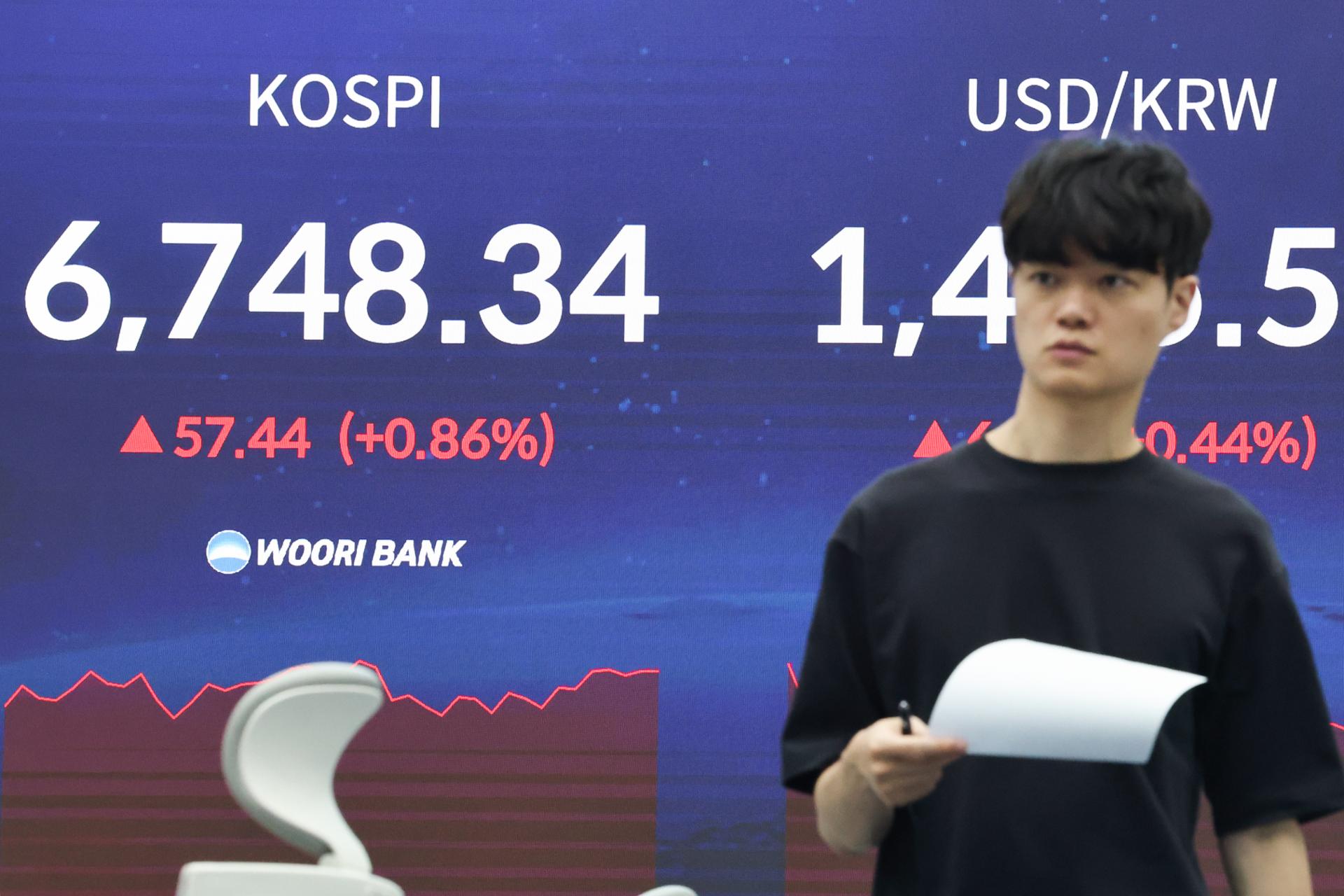
Today, the South Korean stock market made history as the KOSPI surged past the 6,900 mark for the first time, fueled by a semiconductor boom. In economic news, the government unveiled a 5.7 trillion won (approx. $5.7 billion) investment plan to boost the AI industry through an expanded national growth fund. On the political front, parties are gearing up for the June 3rd local and parliamentary by-elections, which are now just a month away.
Daily News Briefing — 2026-05-04
Today's Weather (As of 2026-05-04)
Note: Due to the weather agency's website utilizing a JavaScript SPA, today's forecast data could not be retrieved automatically. Please check the latest weather updates directly at the Korea Meteorological Administration’s website (weather.go.kr).
Top 5 Headlines
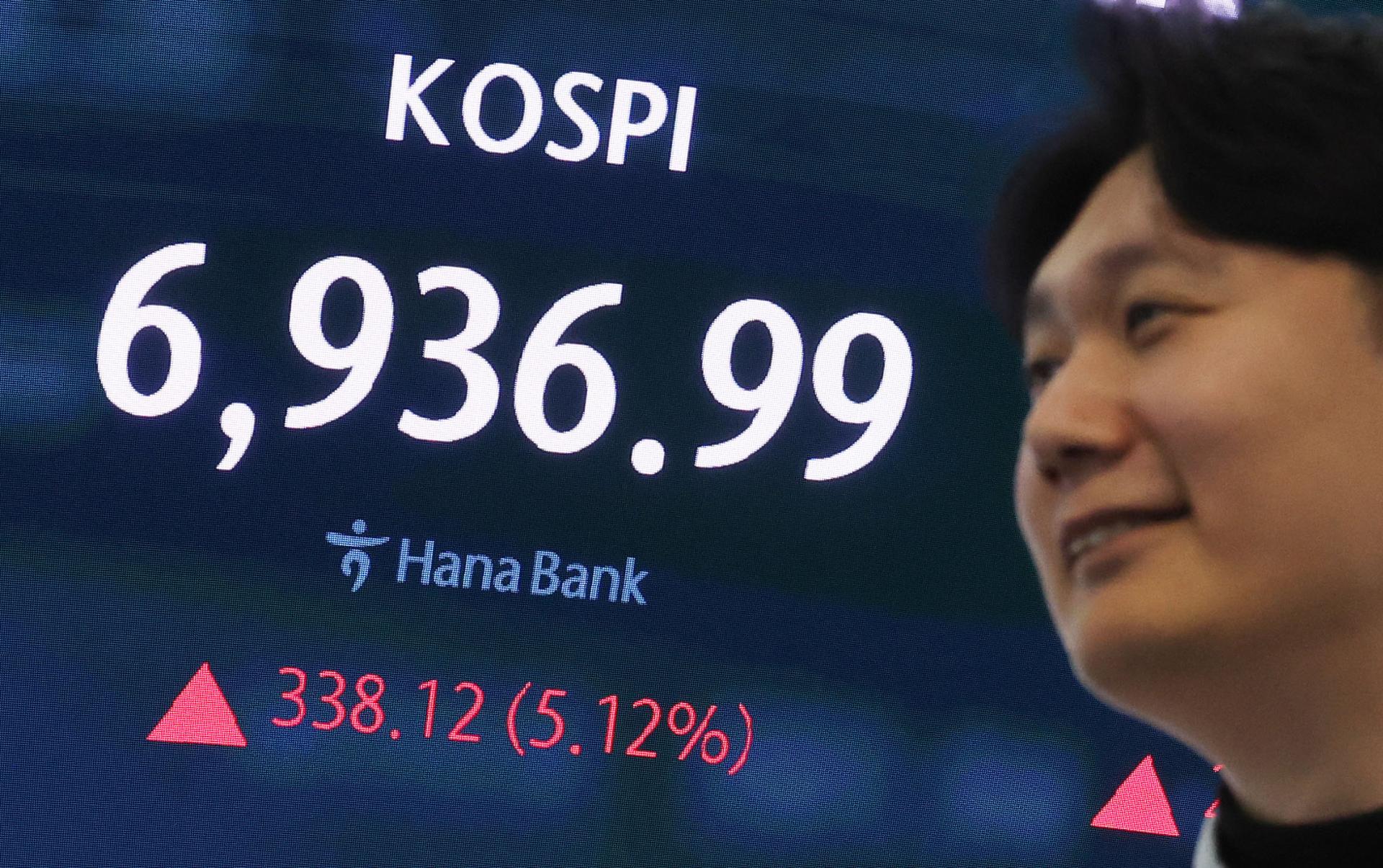
1. KOSPI breaches 6,900 for the first time, semiconductor strength overrides geopolitical risk
- Summary: On May 4, the KOSPI surged over 5% from the previous trading session, crossing the 6,900 threshold for the first time ever. Semiconductor stocks, led by SK Hynix reaching an all-time high, spearheaded the rally. The KRW/USD exchange rate opened with a 10.4 won drop (stronger won).
- Background: Fueled by explosive demand for AI, the memory chip boom continues. The South Korean market recently recorded its highest monthly gain in 28 years throughout April. Expectations regarding potential inclusion in the MSCI Developed Markets index are also driving foreign buying.
- Impact: Four out of 10 CEOs at major domestic securities firms predict the KOSPI could reach 8,000 this year, with one projecting as high as 8,800. The number of companies with a market cap exceeding 1 trillion won has surpassed 400 for the first time, indicating a broader market base.
2. South Korea invests 5.7 trillion won in AI industry via expanded growth fund
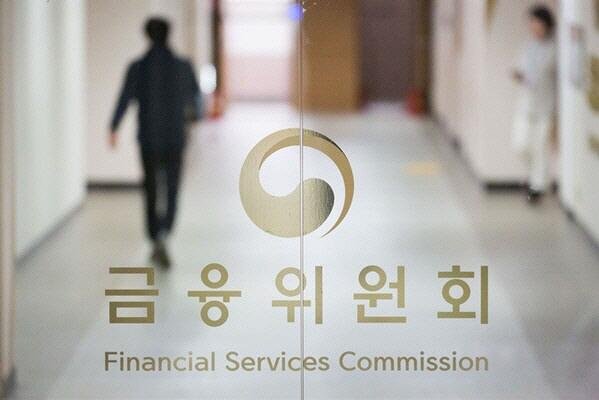
- Summary: The South Korean government announced a 5.7 trillion won (approx. $5.7 billion) investment through its national growth fund to strengthen AI competitiveness. Support will extend beyond AI to the energy sector as well.
- Background: Amid escalating AI hegemony competition between the US and China, the government has decided to inject massive capital to foster semiconductors and AI as key national strategic industries.
- Impact: Investment benefits are expected to reach large tech firms like Samsung Electronics and SK Hynix, as well as companies in AI software, data centers, and energy infrastructure. It is also expected to positively impact the domestic AI startup ecosystem.
3. June 3rd elections D-30: Political parties step up campaigns
- Summary: With the June 3rd local and parliamentary by-elections one month away, major parties are accelerating their preparations.
- Background: This is the first major election following the 7-year prison sentence handed down to former President Yoon Suk Yeol by the Seoul High Court in April, which has shifted the political landscape. Both the ruling and opposition parties view this election as a turning point for political control.
- Impact: The results could significantly alter the path to the next presidential election and the balance of power in the National Assembly. Results from the capital area and provincial leadership races will be key indicators.
4. Market cap exceeds 6 quadrillion won, 400+ firms worth over 1 trillion won
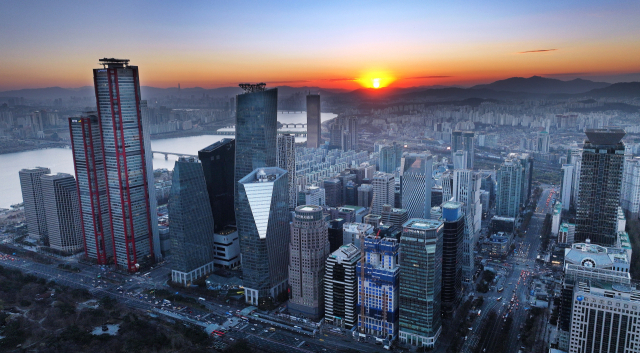
- Summary: The total market capitalization of the South Korean stock market has surpassed 6 quadrillion won for the first time. The number of companies valued at over 1 trillion won (approx. $680 million) also topped 400.
- Background: Semiconductor and AI-related stocks are leading the market, with mid-cap stocks also seeing a rise. Expectations for corporate governance reform are attracting foreign investors back.
- Impact: The broader base and potential MSCI inclusion are boosting long-term investment appeal. Domestic institutional portfolios are expected to adjust accordingly.
5. Iran war fallout: Strait of Hormuz blockade pressures global economy
- Summary: US President Donald Trump announced that the US will begin "humanitarian measures" this week to escort neutral vessels stuck in the Strait of Hormuz. The prolonged war with Iran continues to cause instability in the global energy supply chain.
- Background: With a key global oil artery blocked, concerns over rising production costs and economic recession are spreading. Economist Mohamed El-Erian warned that the strait must reopen within 8 weeks to avoid a global recession.
- Impact: Since South Korea imports a large portion of its oil from the Middle East, rising energy prices will directly hit industrial production costs and inflation. Volatility in oil prices may also drive KOSPI fluctuations.
Economy & Market
Market Closing/Trends (As of 2026-05-04)
- KOSPI: Surpassed 6,900 (All-time high), up over 5%. Led by semiconductors; SK Hynix set a record intraday high.
- KOSDAQ: Continued strength in semiconductor and AI-themed stocks.
- Exchange Rate: KRW/USD opened 10.4 won lower (stronger won).
Corporate & Industry News
-
SK Hynix: Hit an all-time high stock price today, fueled by AI memory demand and strong HBM exports.
-
400+ Companies: The number of listed firms with a market cap over 1 trillion won reached 400 for the first time, reflecting a deeper market base led by AI and chips.
-
5.7 Trillion Won Investment: Government-led AI and energy investment plans are expected to benefit a wide range of companies.
International News
USA — "Humanitarian" escort begins in Strait of Hormuz
- Key point: President Trump announced the US would begin escorting neutral ships this week. Negotiations with Iran remain difficult.
- Impact on Korea: High dependence on Middle Eastern oil makes the reopening of the strait crucial for energy supply and inflation control. Prolonged blockage increases logistics costs for exporters.
Global — Economist El-Erian: "8 weeks to avoid recession"
- Key point: Mohamed El-Erian warns that a blockade lasting longer than 8 weeks will lead to an inevitable global recession. Rising production costs and a cooling services sector are already visible.
- Impact on Korea: A global recession would be a major blow to Korea’s export-oriented economy, particularly in chips, cars, and shipbuilding.
North Korea — Friendly soccer match with South Korean team
- Key point: The Korea Football Association announced that a North Korean women's soccer club will play a local team in a tournament near Seoul this month.
- Impact on Korea: Despite a lack of inter-Korean sports exchanges, this could be interpreted as a signal for de-escalation and a potential turning point in relations.
Today’s Watchlist
- Schedule/Announcements: Parties will continue to announce platforms and prepare for official campaigns for the June 3rd elections.
- Key Points to Watch:
- Whether the KOSPI can maintain momentum above 6,900 and if foreign net buying persists.
- US-Iran negotiation progress regarding the Strait of Hormuz.
- Details on the 5.7 trillion won AI investment allocation and timeline.
- Reader Action:
- Investors: Watch for profit-taking in the overheated semiconductor and AI sectors. Keep an eye on global energy risks.
- Consumers: Prepare for potential increases in fuel and energy costs due to the Iran conflict.
- Out & About: Check weather.go.kr before heading out for the day.
At a Glance
-
Numbers of the Day:
- 6,900+ — Historic KOSPI level
- 6 Quadrillion Won — Total market cap threshold reached
- 400 — Companies with market cap > 1 trillion won
- $5.7 Billion — Government AI investment (approx. 5.7 trillion won)
-
Trending Keywords:
KOSPI All-time high,Semiconductors & AI,Strait of Hormuz,Local elections,National Growth Fund
This content was collected, curated, and summarized entirely by AI — including how and what to gather. It may contain inaccuracies. Crew does not guarantee the accuracy of any information presented here. Always verify facts on your own before acting on them. Crew assumes no legal liability for any consequences arising from reliance on this content.
Powered by
