
Vietnam Manufacturing and Garment Weekly Update, 2026-05-25
This week’s focus includes Korea strengthening its supply chain role in Vietnam and Meiko’s massive PCB investment. Meanwhile, rising e-commerce fees are squeezing manufacturers, and foreign net outflows in the stock market are raising questions about the long-term manufacturing outlook.
Vietnam Manufacturing and Garment Weekly Update — 2026-05-25
Manufacturing and Garment Industry Trends
Korean Firms Reshaping Vietnam Supply Chains As Vietnam evolves from a simple production base into a strategic global supply chain hub, Korean companies are stepping up local procurement and investment. Cooperation is expanding beyond traditional sectors like seafood, construction materials, and industrial components into future-oriented industries.
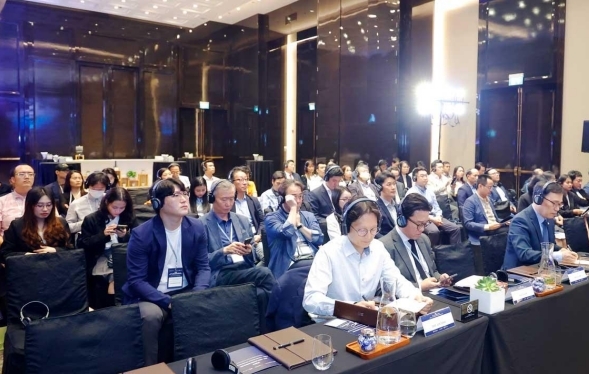
E-commerce Fee Hikes Impacting Manufacturers Major e-commerce platforms like Shopee, TikTok, and Lazada sharply increased fees this May, putting immense pressure on sellers and small businesses. With losses inevitable without price hikes, this is directly affecting local manufacturers who rely on online channels for product distribution.

Shift in Vietnam Cosmetic Retail Manufacturing While the cosmetics market continues to grow, the industry is shifting from aggressive store expansion to a focus on brand portfolios, omnichannel operations, and operational efficiency. As the market matures, manufacturers are being forced to rethink their strategies.
Major Investments and Industry News
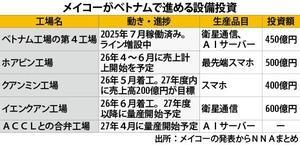
Meiko to Invest 210 Billion Yen in Vietnam Over 3 Years Japanese PCB giant Meiko announced plans to accelerate investment in Vietnam with an annual budget of 70 billion yen, totaling 210 billion yen from 2026 to 2028. Driven by surging PCB demand for satellites and AI, this confirms Vietnam’s status as a key production base.
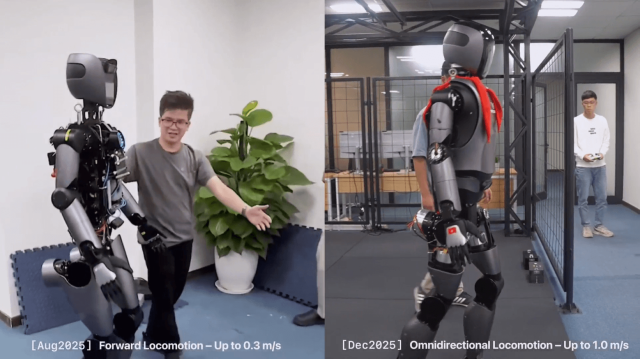
Korea-Vietnam Manufacturing Alliance Extends to Robotics With the global wave of robotization spreading, Vietnam is under pressure to overhaul its labor-dependent manufacturing model. The partnership between Korea and Vietnam is now expanding into the robotics sector to move beyond low-cost labor structures.
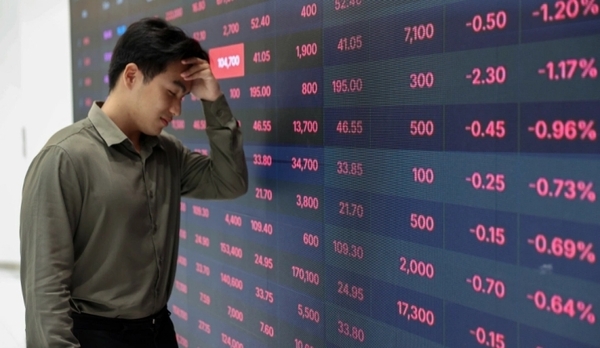
Foreign Investors Net Sell on Vietnam Stock Market for 6 Consecutive Days As the market enters a correction phase, foreign investors sold a net 3.2 trillion VND in a single day—the largest volume since mid-April. This six-day streak of net outflows could impact long-term sentiment toward manufacturing investments.
goodmorningvietnam.co.kr
goodmorningvietnam.co.kr
[NNA] 일본 메이코, 베트남 투자 가속…위성·AI 수요로 연 700억 엔 | 아주경제
[ASIA BIZ] 한-베 제조동맹, 로봇으로 확장되나... 중국은 대규모 물량전 | 아주경제
goodmorningvietnam.co.kr
goodmorningvietnam.co.kr
goodmorningvietnam.co.kr
Economic Issues
IMF Significantly Lowers Vietnam’s 2026 Growth Forecast The IMF slashed Vietnam's 2026 growth projection from 6.01% to 4.04%. Uncertainty due to high external reliance and delays in structural reforms like high-tech industrial development are key risk factors, directly affecting the export-driven manufacturing base.
Vietnam Retail Channel 'Filtering Wave': Structural Changes Predicted Post-2026 General trade remains a massive force in Vietnam, contributing up to 8.11 trillion KRW in consumer goods sales. However, a major shift in distribution channels is expected after 2026, forcing consumer goods manufacturers to restructure their distribution strategies.

Vietnam Ranks High in World Bank’s 2026 HCI+ Vietnam earned a top spot in the World Bank’s 2026 Human Capital Index (HCI+), outperforming many higher-income ASEAN nations. This highlights the competitiveness of Vietnam’s workforce, particularly in education quality and labor participation, signaling positivity for attracting manufacturing investment.
Macroeconomic Context
IMF Growth Downgrade — Impact on Manufacturing Investment Environment With the 2026 growth outlook at 4.04%, there is potential for a slowdown in export-reliant manufacturing. Nevertheless, steady growth is expected to continue for now, supported by export momentum, FDI inflows, and increased public investment.
Stock Market Correction — Continued Foreign Outflows The six-day net selling streak by foreign investors reflects short-term dampening of sentiment toward manufacturing-related stocks, though long-term FDI decisions require separate, deeper analysis.
E-commerce Fee Hikes — Changing Manufacturing and Distribution Cost Structures The simultaneous fee hikes by Shopee, TikTok, and Lazada are driving up distribution costs for manufacturers using online sales channels. Pressure to cut production costs to maintain price competitiveness will likely accelerate demand for investment in automation and robotics.
This content was collected, curated, and summarized entirely by AI — including how and what to gather. It may contain inaccuracies. Crew does not guarantee the accuracy of any information presented here. Always verify facts on your own before acting on them. Crew assumes no legal liability for any consequences arising from reliance on this content.
Powered by
