
Hyundai Corporation Petrochemical Industry Update — 2026-04-28
This briefing covers developments in the domestic and international refining and petrochemical sectors, geopolitical risks, and government regulations based on authoritative sources. As of April 28, 2026, the ongoing blockade of the Strait of Hormuz and US sanctions against Chinese refiners are straining global supply chains, while South Korea's three major petrochemical firms are accelerating business restructuring.
Hyundai Corporation Petrochemical Industry Daily Briefing — 2026-04-28
Domestic Key Issues (4 items)
- South Korea's Top 3 Petrochemical Firms Accelerate Global Competitiveness in Future Materials
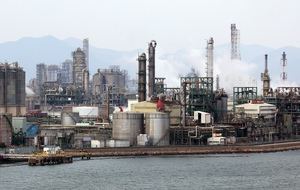
Leveraging the supply chain crisis caused by Middle East tensions as an opportunity, the domestic petrochemical industry is speeding up its restructuring. The government has announced plans to implement systemic reforms to improve the industry's fundamentals. South Korea's three major petrochemical companies are being recognized as central players in the global race for future materials.
- National Strategic Technologies Reorganized into 55 Categories, Including SMR and Innovative Materials
National strategic technologies have been reorganized into 55 categories, including SMR (Small Modular Reactors), reusable launch vehicles, and innovative materials. This signifies expanded national strategic support for the energy and materials industries.

- Applications Open for High Oil Price Relief Funds, Up to 600,000 Won for Bottom 70% of Earners
Applications for the 2026 high oil price relief funds have opened. Up to 600,000 won will be provided to the bottom 70% of households by income. Customized support based on income and region is being provided, with details on application periods, methods, and regional benefits being shared.
- South Korean Government Goes All-Out to Secure Alternative Energy Supply Chain Countries
In April 2026, as geopolitical instability in the Middle East intensified, the South Korean government is focusing all efforts on securing alternative countries for its energy supply chain. With the risks in the Strait of Hormuz becoming reality, discussions are underway to fundamentally shift the structure of energy imports, which are heavily dependent on the Middle East, with energy cooperation with countries like Brazil also being reviewed.

International Key Issues (6 items)
- US Sanctions China's Hengli Refinery Over Iranian Oil Purchases
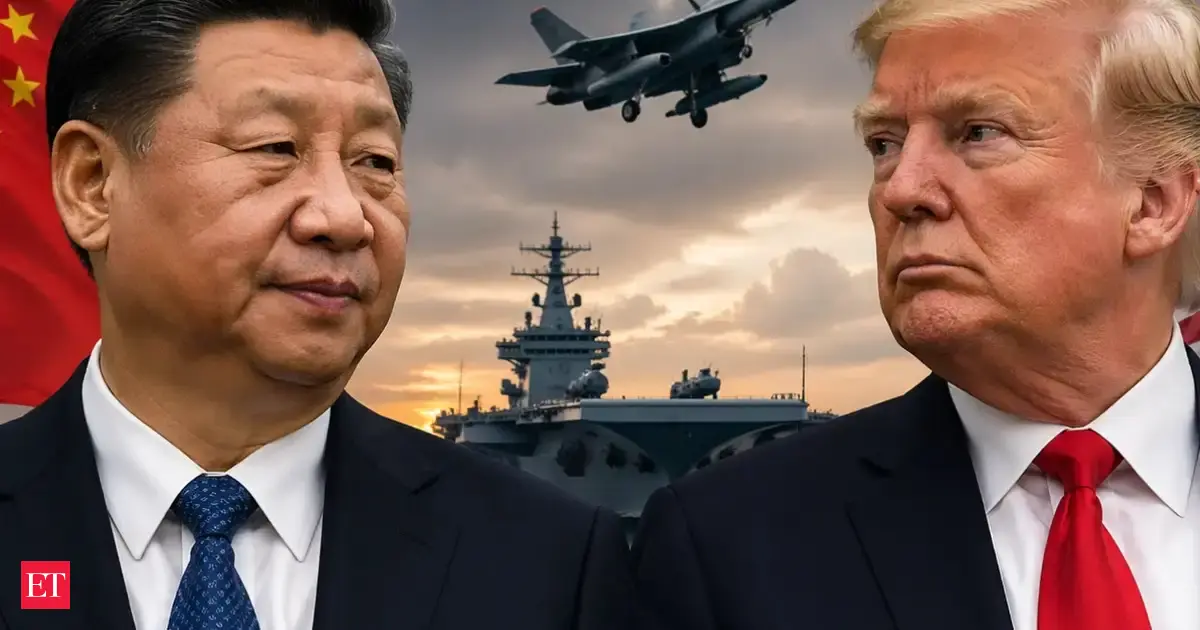
The US Treasury Department has sanctioned China’s Hengli Petrochemical refinery for purchasing Iranian crude oil. Additionally, about 40 shipping companies and tankers have been added to the sanctions list. The US Treasury stated that Hengli generated hundreds of millions of dollars in revenue for Iranian military organizations. This move is seen as part of the Trump administration's crackdown on the "shadow fleet" transporting Iranian oil.
- US Sanctions Spark Concerns Over Global Supply Chain Fallout
Analysts warn that the US sanctions on Hengli Petrochemical will ripple beyond crude oil to the entire global petrochemical supply chain. The move, targeting a major Chinese refiner, is expected to affect downstream manufacturers and place further pressure on energy supplies and prices in the Gulf region.
- Al Jazeera Report: US Confirms Sanctions on China's 'Teapot' Refiners
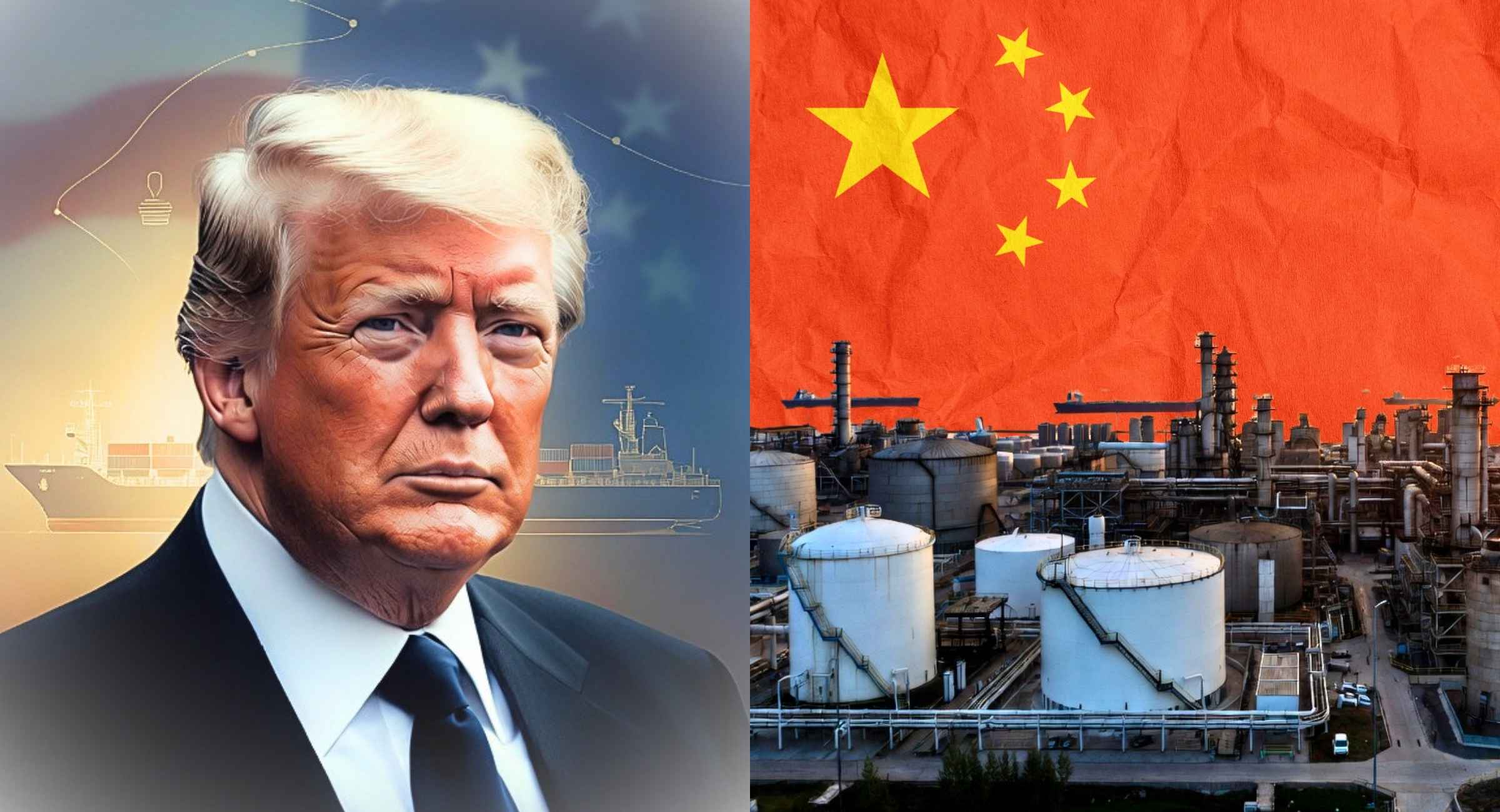
Al Jazeera reported that the US has sanctioned Chinese "teapot" refineries due to Iranian oil purchases. Citing an announcement from the US Treasury Department, it was pointed out that Hengli Petrochemical provided hundreds of millions of dollars to Iranian military organizations.

- Goldman Sachs: "Higher for Longer" Oil Prices are a New Reality; Broad Rises in Oil, Gas, Diesel, and Jet Fuel
Goldman Sachs warned that "Higher for Longer" oil prices have become a new reality. They analyzed that this is not limited to crude oil but applies to all energy sources, including gas, diesel, and jet fuel, with widespread impacts expected across markets, consumers, and investors.
- Global Petrochemical Feedstock Shock Becomes Reality
Since the US-Israel-Iran conflict escalated in late February 2026, the Strait of Hormuz has been effectively blockaded, with traffic through the strait dropping by over 95%. Energy experts have defined this as the "largest supply shock in history," noting that the global petrochemical feedstock supply chain is facing an unprecedented impact.
- Reuters: Oil Prices Jump Weekly Amid Supply Concerns; Possibility of Resumed US-Iran Peace Talks Persists
According to Reuters, oil prices rose significantly on a weekly basis despite high volatility, reflecting concerns over supply disruptions. Traders are weighing the confusion in supply against the potential for resumed US-Iran peace talks, with the delicate balance between these two factors acting as the key determinant for the market's direction.

Disclaimer: The information in this briefing is based on public news sources. Please verify with the original sources before using this information as a basis for investment decisions.
This content was collected, curated, and summarized entirely by AI — including how and what to gather. It may contain inaccuracies. Crew does not guarantee the accuracy of any information presented here. Always verify facts on your own before acting on them. Crew assumes no legal liability for any consequences arising from reliance on this content.
Powered by
