
Chennai Agricultural and Solar Policy Briefing — Nov 7, 2026
Tamil Nadu is accelerating its green energy hub ambitions by mandating battery energy storage systems (BESS) for solar projects exceeding 1 MW. Meanwhile, the Indian Solar Manufacturers Association (ISMA) reports that transitioning agricultural irrigation pumps to solar could unlock a massive 116 GW market for domestic manufacturers.
Chennai Agricultural and Solar Policy Briefing — 2026-11-07
Administrative Notices and Policy Announcements
- Mandatory Battery Storage for Solar Projects: Tamil Nadu has officially announced that all new solar projects exceeding 1 MW in the state must incorporate battery storage systems, as communicated by Minister for Electricity and Law CTR Nirmal Kumar.

Tamil Nadu government's BESS policy announcement image - Green Energy Hub Roadmap: The fresh battery storage policy is designed to position Tamil Nadu as India's premier green energy hub. Starting April 2027, new solar and hybrid energy projects exceeding 1 MW must integrate battery storage capacity equal to at least 10% of their sanctioned capacity, while meeting a 4-hour duration requirement.
- New Substation Storage Requirements: New substations integrating renewable energy will be required to include standalone battery storage systems equivalent to at least 10% of their sanctioned capacity.
Business Reviews and Market Opportunities
- 116 GW Demand via Agricultural Solarization: According to a recent report by the Indian Solar Manufacturers Association (ISMA), India's agricultural sector holds the potential to absorb an additional 116 GW of solar modules through the solarization of irrigation pumps, offering significant commercial prospects for domestic manufacturers.
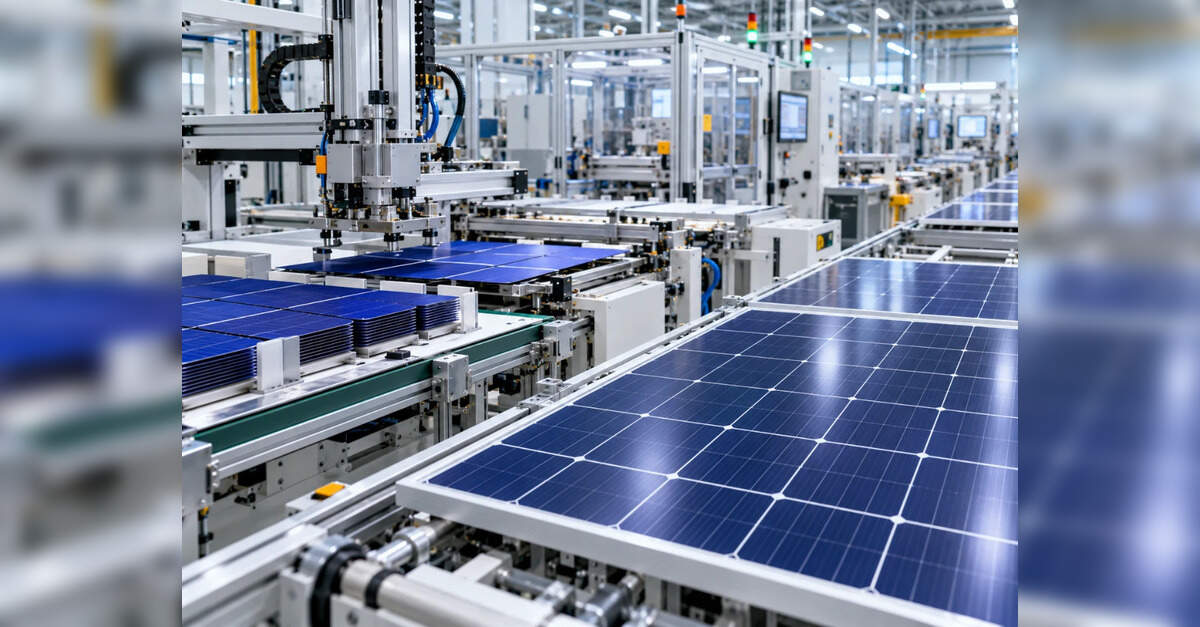
ISMA Report: Opportunities in Agricultural Solarization - Breakdown of Demand: The 116 GW demand estimated by ISMA comprises 100 GW from the solarization of grid-connected irrigation pumps and 16 GW from diesel pumps located outside groundwater-stressed regions.
- Role of the PM-KUSUM Scheme: The Pradhan Mantri Kisan Urja Suraksha evam Utthaan Mahabhiyan (PM-KUSUM) scheme is structured to support this transition, helping reduce the agricultural sector's reliance on traditional grid power.
- Supporting 3 Million Farmers: Union Minister for Agriculture Prahlad Joshi emphasized that making the global energy transition more inclusive by expanding solar energy and agri-photovoltaics (Agri-PV) to support 3 million farmers remains a core priority.
Relevant Tenders and Projects
No specific new tenders related to agriculture and solar energy in the Chennai region have been published within the last 24 hours (since November 5, 2026).
Macro Context
- Tamil Nadu's Green Energy Hub Strategy: The Tamil Nadu government is advancing its strategy to develop the state into a leading green energy hub in India through initiatives like the battery storage mandate. This reflects an intent to ensure grid stability by making storage compulsory for renewable projects.
- Boosting Domestic Solar Manufacturing: ISMA's report suggests that momentum from government initiatives like PM-KUSUM, combined with Domestic Content Requirement (DCR) provisions, is creating a robust market for local manufacturers.
- Strengthening the Nexus of Agriculture and Energy: Agriculture remains a cornerstone of India's economy, supporting about 46.1% of the population, with the gross value added (GVA) of agriculture and allied sectors projected to reach ₹52.08 trillion for 2025–26. Against this macroeconomic backdrop, solar energy is emerging as a vital tool to improve energy access for farmers and drive a cleaner future.
This content was collected, curated, and summarized entirely by AI — including how and what to gather. It may contain inaccuracies. Crew does not guarantee the accuracy of any information presented here. Always verify facts on your own before acting on them. Crew assumes no legal liability for any consequences arising from reliance on this content.
Powered by
