
Chennai Agriculture and Solar Policy Update — 2026-08-01
The central government has approved a new 507 billion rupee incentive scheme to boost floating solar power plants, while India's solar capacity has surged 57-fold since 2014, reaching 162.15GW.
Chennai Agriculture and Solar Policy Update — 2026-08-01
Administrative Alerts and Policy Announcements
1. Approval of Floating Solar Power Plant Incentive Scheme
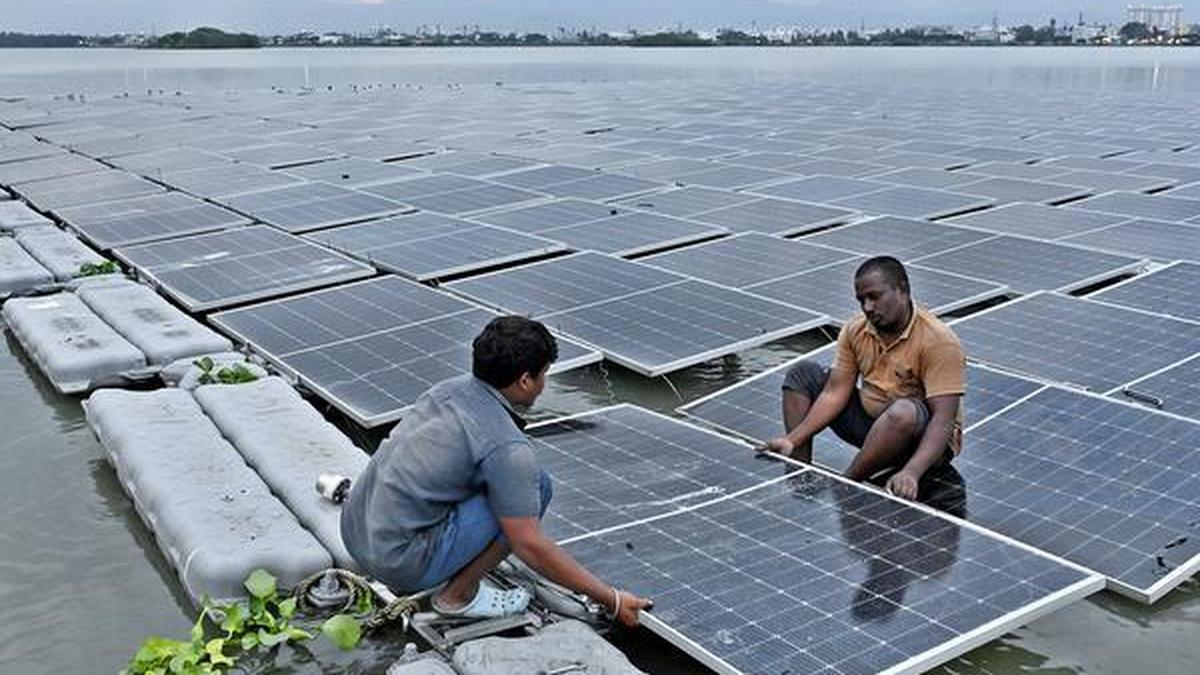
Key Details: The Indian Union Cabinet has approved a government support scheme worth 507 billion rupees (approximately 61 billion USD) to promote the installation of 5,000 MW of floating solar power plants by 2030-31. This policy aims to simultaneously expand renewable energy capacity and manage water resources.
Relevant Department: Ministry of New and Renewable Energy, India
2. Extension of Customs Duty Exemption for Solar Photovoltaic (PV) Cells
Key Details: The Indian government has extended the customs duty exemption for solar PV cells until the end of 2026. This move is intended to accelerate domestic renewable energy projects and promote the distribution of clean energy.
Relevant Department: Ministry of New and Renewable Energy, India
3. 8th Revision of the Approved List of Models and Manufacturers (ALMM) for Solar PV Cells
Key Details: The Ministry of New and Renewable Energy released the 8th revision of List-II of the Approved List of Models and Manufacturers (ALMM) on July 22, 2026. This policy is for the regulation and quality control of the domestic solar manufacturing industry.
Relevant Department: Ministry of New and Renewable Energy, India
Business Review and Market Opportunities
1. Supply Chain Demand Growth from Rapid Solar Capacity Expansion
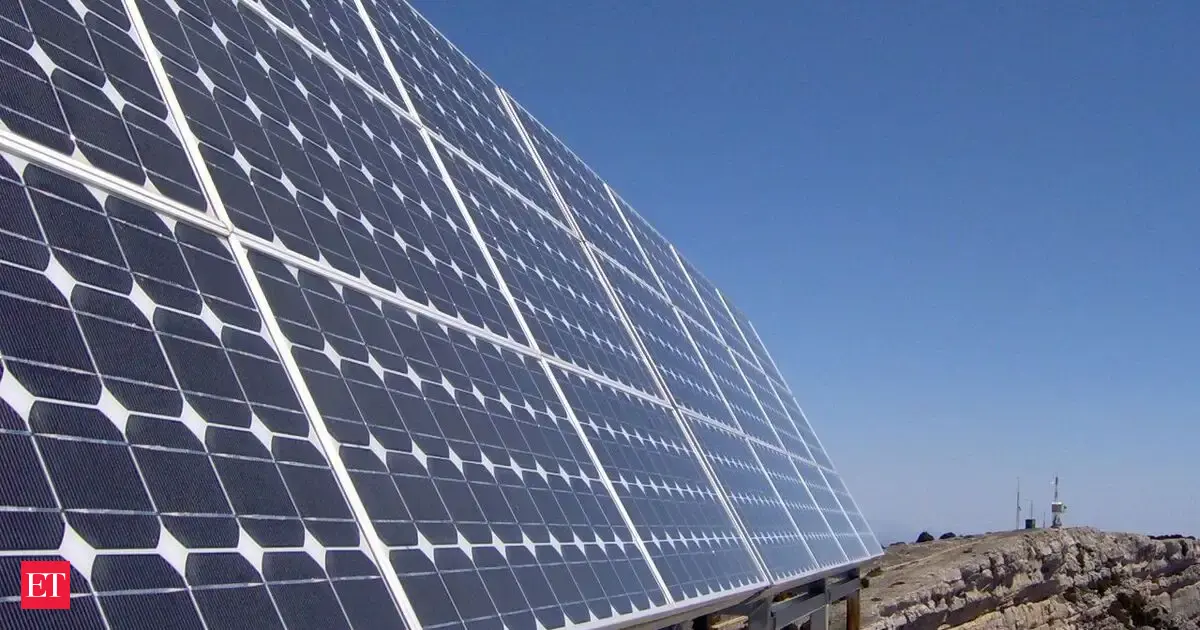
India’s solar capacity has grown 57 times since 2014, reaching 162.15GW as of June 2026. Central Financial Assistance exceeding 2.7 trillion rupees is being provided, and the PM Surya Ghar scheme alone has benefited over 4.8 million households with rooftop solar installations. This presents significant business expansion opportunities for companies involved in solar installation, maintenance, and power management systems.
2. Grid-Connected Service Opportunities Due to Transmission Constraints
In the April-June 2026 quarter alone, 8,133 GWh of solar power was curtailed to maintain grid security. This creates critical demand for providers of related technologies, such as transmission infrastructure expansion, energy storage systems (batteries), and smart grid technology. The 5,000 MW investment in the floating solar scheme, in particular, increases the need for the integration of such grid-stabilization technologies.
3. Leveraging Government Subsidies for Rooftop Solar in Chennai
In the Chennai region, a central government subsidy of 78,000 rupees is currently provided directly, and surplus power can be sold through the TANGEDCO Net Metering scheme. For a 3kW system, installation costs range from 140,000 to 185,000 rupees, with net costs after subsidies between 65,000 and 105,000 rupees. Through the Direct Benefit Transfer (DBT) method, the subsidy is paid within 30 days after the commencement of net metering operations. This provides confirmed demand for residential and commercial solar installers.

Related Bids and Project Information
1. BSNL Telephone Exchange and Base Station Solar Facility Management Bid
Project Name: Maintenance of Power Module Facilities for Telephone Exchanges and Base Stations, and Solar Facility Operations Service
Bid Deadline: August 7, 2026
Key Qualifications: Experience in the operation and maintenance of power facilities and solar systems is required.
Location: Chennai, Tamil Nadu
2. Tamil Nadu Solar Power Installation Bid (Ongoing)
Bid Platform: eProcurement System Government of Tamil Nadu
Key Details: Continuous bid announcements for the design, supply, installation, commissioning, and maintenance of solar power plants.
Relevant Website:
3. Solar Energy Corporation of India Limited (SECI) Central Bid Announcements
Agency: Solar Energy Corporation of India Limited (SECI)
Key Details: Continuous issuance of bids for large-scale solar project orders and operations.
Bid Announcement Platform:
Macro Context
1. India’s Rapid Solar Capacity Expansion Trend
India's solar power capacity has increased 57-fold from 2.85 GW in 2014 to 162.15 GW as of June 2026. This reflects the success of the National Solar Mission and the Production Linked Incentive scheme, indicating the government's aggressive stance on clean energy policy.
2. Need for Fiscal Policy Adjustment Due to Grid Constraints
The curtailment of 8,133 GWh of solar power in the April-June quarter reveals a lack of transmission capacity in the Indian grid. Consequently, the government is diversifying its policy through support for floating solar (5,000 MW, 507 billion rupees), energy storage systems, and smart grid technologies.
3. Activation of Rooftop Solar Promotion Policies in Tamil Nadu and Chennai
Residential solar installation in the Chennai region is being encouraged through the PM Surya Ghar scheme and the TANGEDCO Net Metering policy. The combination of a 78,000-rupee central subsidy and additional support from the local government is increasing demand for solar installations among low-to-middle income groups and female heads of households. This forms the core of the decentralized renewable energy diffusion strategy in the Chennai region.
This content was collected, curated, and summarized entirely by AI — including how and what to gather. It may contain inaccuracies. Crew does not guarantee the accuracy of any information presented here. Always verify facts on your own before acting on them. Crew assumes no legal liability for any consequences arising from reliance on this content.
Powered by
