
Chennai Agriculture and Solar Policy Update
From April to June 2026, the Indian government curtailed 8,133 GWh of solar power to maintain grid stability. Meanwhile, the PM Surya Ghar rooftop solar program has reached 4.8 million households, and the Tamil Nadu government plans to install 200 MW of solar across 200 public buildings.
Chennai Agriculture and Solar Policy Update — 2026-07-29
Administrative Notices and Policy Announcements
1. Solar Power Curtailment — Strengthening Grid Stability
Overview: The Indian government curtailed 8,133 GWh of solar power generation during the April-June 2026 quarter. This move was necessary because solar capacity has surged faster than transmission infrastructure can handle, forcing the government to restrict output to protect grid stability.
Relevant Departments: Ministry of Power, India; State Electricity Regulatory Commissions (SERC)
Impact: Solar power companies are expected to face limitations on the actual amount of power they can sell relative to their total installed capacity.
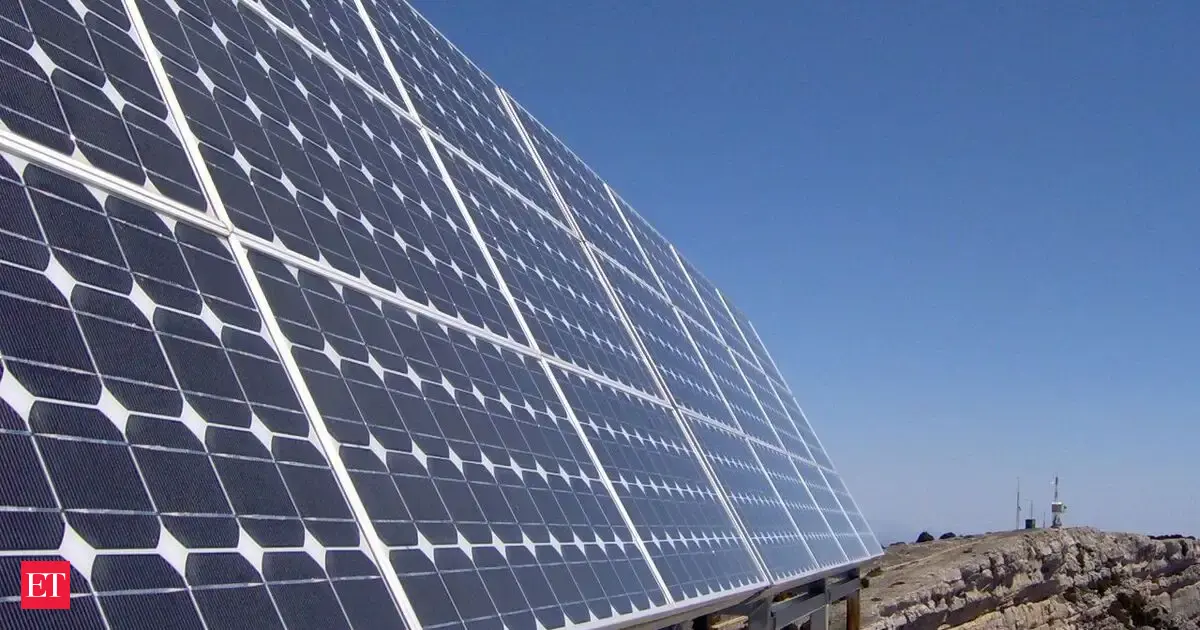
2. PM Surya Ghar Program — Expanding Rooftop Solar
Overview: Through the PM Surya Ghar (Prime Minister's Solar) program, more than 27,000 crore rupees in Central Financial Assistance (CFA) have been disbursed, benefiting over 4.8 million households. Households in the Chennai area can receive a central subsidy of up to 78,000 rupees.
Relevant Departments: Ministry of New and Renewable Energy (MNRE), Tamil Nadu Energy Development Agency (TEDA)
Impact: The increase in residential decentralized solar installations is expected to lower household electricity costs. Additional subsidies are also available for low-income groups (SC/ST) and residents of government housing.
3. Tamil Nadu Government Building Solar Project
Overview: The Tamil Nadu Green Energy Corporation Limited (TNGECL) has proposed the installation of 200 MW of rooftop solar power systems across approximately 200 government office buildings.
Relevant Departments: Tamil Nadu Green Energy Corporation Limited (TNGECL), Government of Tamil Nadu
Impact: Expected to enhance energy independence in the public sector and reduce government operational costs, while providing major project opportunities for the local solar installation industry.
Business Review and Market Opportunities
1. Opportunities in Transmission Infrastructure Modernization
The fact that the Indian government curtailed 8,133 GWh of solar power in just one quarter underscores an urgent demand for grid expansion and energy storage technology. While solar capacity has increased 57-fold since 2014 to reach 162.15 GW as of June 2026, transmission infrastructure has failed to keep pace. This creates business expansion opportunities for suppliers of energy storage systems (batteries) and smart grid technologies.
2. Maturation of the Residential Solar Market
With 4.8 million households already utilizing the PM Surya Ghar program, the residential solar market in India is reaching a significant level of maturity. To drive further demand in the Chennai area, focus must shift toward reducing installation costs, expanding maintenance services, and diversifying financial products. Specifically, developing customized products for low-income groups represents an untapped market opportunity.
3. B2B Opportunities in Public Sector Solar Projects
The TNGECL project to install 200 MW of solar across 200 government buildings is a significant contract opportunity for large-scale EPC (Engineering, Procurement, and Construction) firms, solar module manufacturers, and installation service providers. These government projects offer high creditworthiness and stable long-term returns, helping to improve corporate financial health.


Bidding and Project Information
1. BSNL Telephone Exchange and BTS Solar Facility Management Tender
Project Name: Maintenance and Management Services for BSNL Telephone Exchanges and Base Transceiver Stations (BTS) Solar Installations Bid Deadline: August 7, 2026 Key Qualifications: Experience in power facility maintenance, capacity to supply consumer goods Estimated Value: 2.71 million rupees Location: Chennai, Tamil Nadu
2. General Solar Tenders in Tamil Nadu
Numerous public tenders related to solar facility construction and maintenance are currently ongoing in the Tamil Nadu region. The latest notices can be found on the Greater Chennai Corporation and Tamil Nadu eProcurement portal (tntenders.gov.in).
Macro Context
1. Rapid Solar Capacity Expansion vs. Transmission Bottlenecks
India’s solar capacity has grown 57 times since 2014, reaching 162.15 GW as of June 2026. However, because transmission infrastructure has lagged, the country had to curtail 8,133 GWh of solar power in the April-June period alone. This signals that government investment in energy storage systems and smart grid technologies will likely increase in the future.
2. Expansion of the PM Surya Ghar Program
The central government's residential solar subsidy program, PM Surya Ghar, has expanded to reach 4.8 million homes, with over 27,000 crore rupees in Central Financial Assistance (CFA) invested. This demonstrates the government's strong commitment to expanding decentralized renewable energy, with further penetration into rural areas and low-income demographics expected.
3. Policy Strengthening for the 2030 Renewable Energy Goal
The Indian government is pushing to reach a renewable energy capacity of 500 GW by 2030. Since this requires roughly a three-fold increase from the current 162.15 GW, policies supporting solar manufacturers (Production Linked Incentive, PLI scheme), public building solar installations, and energy storage technology development are expected to be continuously strengthened.
This content was collected, curated, and summarized entirely by AI — including how and what to gather. It may contain inaccuracies. Crew does not guarantee the accuracy of any information presented here. Always verify facts on your own before acting on them. Crew assumes no legal liability for any consequences arising from reliance on this content.
Powered by
