
Chennai Agriculture and Solar Policy Update — 2026-06-07
The Indian Ministry of New and Renewable Energy (MNRE) has declined a blanket extension for the ALMM List-II mandate beyond June 1, 2026. Meanwhile, India’s solar sector is accelerating, with 14.2GW of new capacity added in Q1 2026.
Chennai Agriculture and Solar Policy Update — 2026-06-07
Administrative Notices and Policy Announcements
1. Rejection of Extension for ALMM List-II
Key Points: The Ministry of New and Renewable Energy (MNRE) has decided against a blanket extension of the Approved List of Models and Manufacturers (ALMM) List-II as of June 1, 2026. This move is designed to provide flexibility for future policy implementations while maintaining safeguards for existing investments.
Related Department: Ministry of New and Renewable Energy (MNRE)
2. PM Surya Ghar Free Solar Scheme Targets 7.1 Million Households
Key Points: The government expects the PM Surya Ghar Muft Bijli Yojana, launched in February 2024, to reach 7.5 million households by the end of the year. Currently, 4 million households have already benefited, with over 6.5 million applications received. The scheme focuses on expanding rooftop solar for homes with 1-3kW power consumption.
Related Department: Ministry of New and Renewable Energy (MNRE)
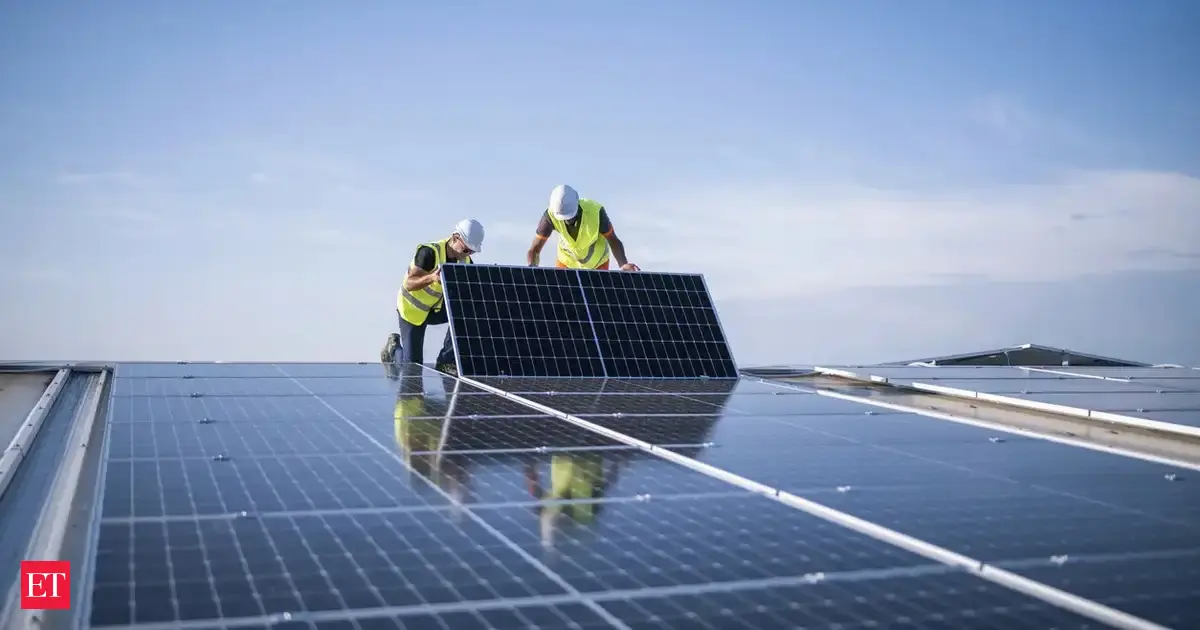
3. Strengthening Decentralized Strategies at the State Level
Key Points: According to the International Institute for Sustainable Development (IISD) India Energy Policy 2026 report, state governments are encouraged to build decentralized renewable energy strategies that integrate agrivoltaics, rooftop solar, grid strengthening, and energy storage. This aims to locate power generation near consumption points and reduce long-term grid dependence.
Related Department: Ministry of New and Renewable Energy & Tamil Nadu State Energy Department

Business Review and Market Opportunities
1. Q1 2026 New Capacity Reaches 14.2GW, Up 95% from Previous Quarter
India added 14.2GW of solar capacity in Q1 2026, a roughly 95% increase from the previous quarter. This rapid expansion reflects increased supply chain flexibility for EPC (Engineering, Procurement, and Construction) companies due to regulatory changes, such as the end of the local cell mandate. In major solar markets like Tamil Nadu, this trend is creating new opportunities for equipment suppliers, installation firms, and energy storage providers.
2. Rooftop Solar Market Reaches 7.1 Million Households
The explosive growth of the PM Surya Ghar scheme (from 4 million households now to a 7.5 million target by year-end) is creating massive demand in the residential solar market. Policy support, including reduced installation costs, increased government subsidies, and installment options, is boosting collaboration opportunities for solar system manufacturers, local installation firms (MSMEs), and financial institutions.
3. Boosting Farmer Income via Agrivoltaics
The Agrivoltaics Conclave held by the Odisha state government has put a spotlight on models that combine solar power and farming to double farmer incomes. Similar demand for solar-agriculture projects is expected in Tamil Nadu’s agricultural belts, providing opportunities for collaboration between farmers looking for alternative income sources amid rising machinery rental costs and solar developers seeking financial profitability.
Tender and Project Information
No New Local Tenders
There are currently no new tenders related to agriculture or solar energy from the Greater Chennai Corporation (GCC) in recent search results. However, general real estate and infrastructure tenders are ongoing on the GCC tender portal (tendersontime.com) and the Tamil Nadu eProcurement System (tntenders.gov.in). We recommend regularly checking these channels for specific solar and agricultural project tenders:
- Solar Energy Corporation of India (SECI) Tenders:
- Tamil Nadu eProcurement:
- Greater Chennai Corporation Tenders: https://www.tendersontime.com/authority/greater-chennai-corporation-tenders-7278/
Macro Context
1. Rapid Solar Growth and Policy Flexibility
With quarterly additions reaching the 14GW level in 2026, India is accelerating toward its national renewable energy goal of 500GW. Simultaneously, the removal of the ALMM List-II mandate allows for the use of competitive imported equipment, signaling market maturation in the developing world.
2. Structural Challenges in Decentralized Solar Adoption
While adoption by households and farmers exceeds policy demand, cheap grid power and high upfront costs remain major obstacles. Expanded subsidies like PM Surya Ghar are essential, as are improvements in micro-financing and Performance Linked Incentive (PLI) schemes.
3. Strategic Importance of Energy Storage
The solar boom in the first half of 2026 has stabilized daytime supply, but evening power shortages are intensifying. This is driving urgent demand for investment in Battery Energy Storage Systems (BESS), pumped-hydro, and grid flexibility. These infrastructure investments are expected to ramp up in states with high solar penetration, such as Tamil Nadu, over the next 2-3 years.
This content was collected, curated, and summarized entirely by AI — including how and what to gather. It may contain inaccuracies. Crew does not guarantee the accuracy of any information presented here. Always verify facts on your own before acting on them. Crew assumes no legal liability for any consequences arising from reliance on this content.
Powered by
