
Chennai Agriculture and Solar Policy Update — 2026-05-25
On May 23, 2026, Tamil Nadu Minister for Electricity and Law, R. Nirmalkumar, officially clarified that recent power outages were due to load issues rather than generation shortages. He also signaled an investigation into potential intentional power disruptions by "black sheep" within the department. Meanwhile, the policy environment for solar energy expansion in Chennai continues to gain momentum.
Chennai Agriculture and Solar Policy Update — 2026-05-25
Administrative Notices and Policy Announcements
1. Tamil Nadu Electricity Minister Officially Clarifies Causes of Power Outages
- Key Points: Tamil Nadu Minister for Electricity and Law, R. Nirmalkumar, stated that recent power outages resulted from load-related issues rather than a lack of power supply. While noting that 99% of TANGEDCO employees are working efficiently, the Minister warned of strict action against "black sheep" who might be intentionally disrupting power supply due to negligence or external influence.
- Relevant Department: Department of Energy Resources, Tamil Nadu

2. Minister Issues Warning Regarding Potential Power Sabotage
- Key Points: Energy Minister CTR Nirmalkumar explicitly stated that there are acts of intentional power supply interference orchestrated by "certain elements." He promised severe consequences for those involved, a move aimed at strengthening the reliability of power grids across Tamil Nadu, including Chennai.
- Relevant Department: Department of Energy Resources, Tamil Nadu

3. Ministry of New and Renewable Energy (MNRE) Updates ALMM List for Solar Modules
- Key Points: As of May 1, 2026, the Indian Ministry of New and Renewable Energy (MNRE) released an updated Approved List of Models and Manufacturers (ALMM) (List-I) for solar PV modules. These quality regulations apply directly to solar project developers and procurement agencies across India, including Tamil Nadu. Additionally, the National Institute of Wind Energy (NIWE), which operates under the MNRE, is headquartered in Chennai, closely linking it to local policy administration.
- Relevant Department: Ministry of New and Renewable Energy (MNRE)
Business Review and Market Opportunities
Analysis Point 1: Power Disruption Issues Stimulate Demand for Distributed Solar
Frequent power outages across Tamil Nadu are driving a higher demand for energy independence among businesses and households. With the Energy Minister attributing outages to load issues, interest in investments for distributed rooftop solar and independent solar systems for agriculture is expected to rise.
Analysis Point 2: Rapid Growth in India’s Private PPA Solar Market – Benefits for Tamil Nadu Firms
According to a Mercom report, India’s operational solar capacity under the private Power Purchase Agreement (PPA) model reached 32.9 GW as of March 2026, a 170% increase compared to Q1 of the previous year. Structural opportunities are expanding for manufacturing and IT firms in the Tamil Nadu region to reduce energy costs through this "open-access" solar market.
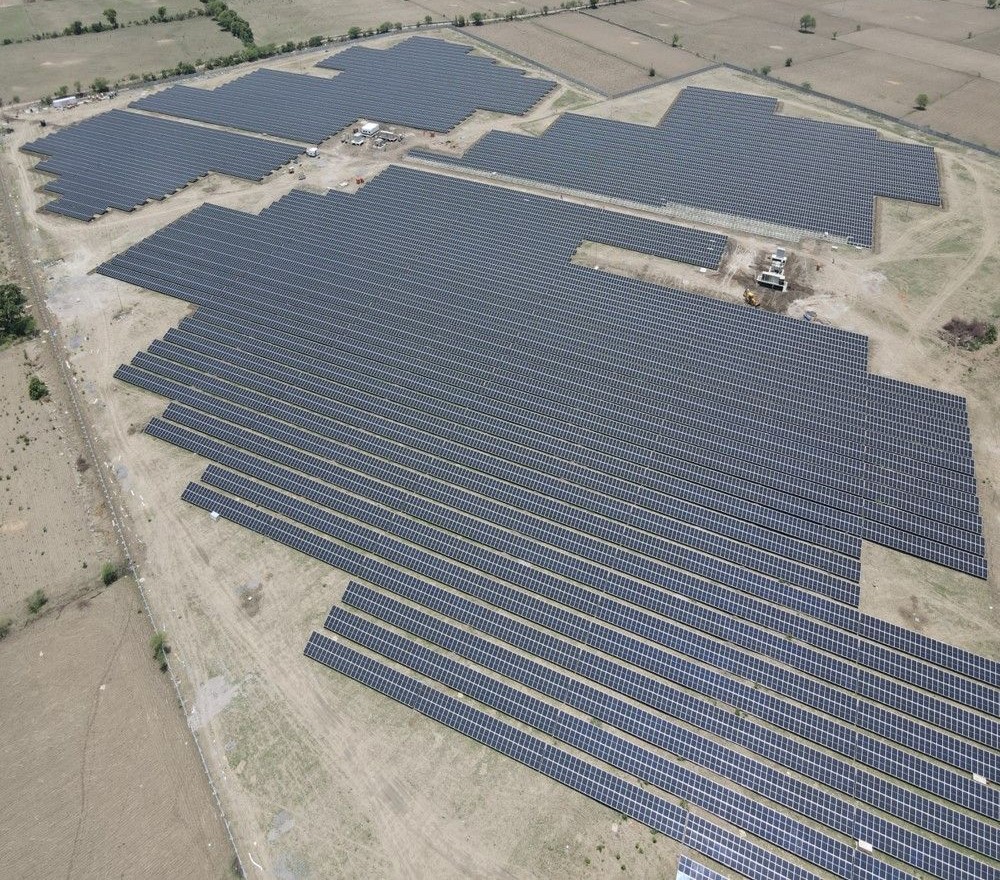
Analysis Point 3: Solar and Wind Expansion Projected to Drive Up to $15 Billion in Land Investment by 2030
Colliers India predicts that land investment for solar and wind infrastructure in India could reach $10 billion to $15 billion by 2030, driven by the country's push for renewable energy. This combination of strong policy support and increased investment is expected to benefit the real estate and energy infrastructure markets in Southern India, including Tamil Nadu.

Related Bids and Project Information
As of May 23, 2026, there is no specific data available regarding new agricultural or solar bids unique to Chennai and Tamil Nadu. Please check the Tamil Nadu e-Procurement portal (tntenders.gov.in) and the SECI tender page directly for current announcements.
No relevant announcements found.
Macro Context
1. Solar Emerges as Key Player Amid Surging Electricity Demand in India
India recently hit a record-high peak power demand, during which solar energy successfully supplied approximately 21% of total power. This indicates that solar is moving beyond a supplementary source to become a core pillar of the energy mix. In Tamil Nadu, the importance of solar is also increasing amid the surge in summer power demand.
2. Private Open-Access Solar Capacity Surpasses 32.9 GW — A Policy-Friendly Environment
As of Q1 2026, India’s cumulative installed capacity for open-access solar exceeded 32.9 GW, reflecting a 170% year-on-year growth. This confirms that the Indian government's renewable-friendly regulatory environment is effectively driving private investment.
3. MNRE Strengthens Quality Regulations with Continuous ALMM Updates
As of May 2026, the MNRE is reinforcing quality standards by continuously updating the ALMM list for solar modules. This is a mandatory regulation for solar operators in Tamil Nadu and Chennai; the use of non-approved products may result in the loss of subsidies and grid-connection benefits.
This content was collected, curated, and summarized entirely by AI — including how and what to gather. It may contain inaccuracies. Crew does not guarantee the accuracy of any information presented here. Always verify facts on your own before acting on them. Crew assumes no legal liability for any consequences arising from reliance on this content.
Powered by
