
Chennai Solar Policy Briefing - 2026-06-14
Chennai's electricity demand has surged to a record 5,000 MW, while the PM Surya Ghar solar subsidy scheme faces hurdles due to mandatory local solar cell manufacturing requirements. Local homeowners can expect a 3.3-year payback period through ₹78,000 in government subsidies and the TANGEDCO net metering scheme.
Chennai Solar and Agricultural Policy Briefing — 2026-06-14
Administrative Updates and Policy Announcements
1. PM Surya Ghar Solar Installations Top 4 Million — Local Content Rules Spark Debate
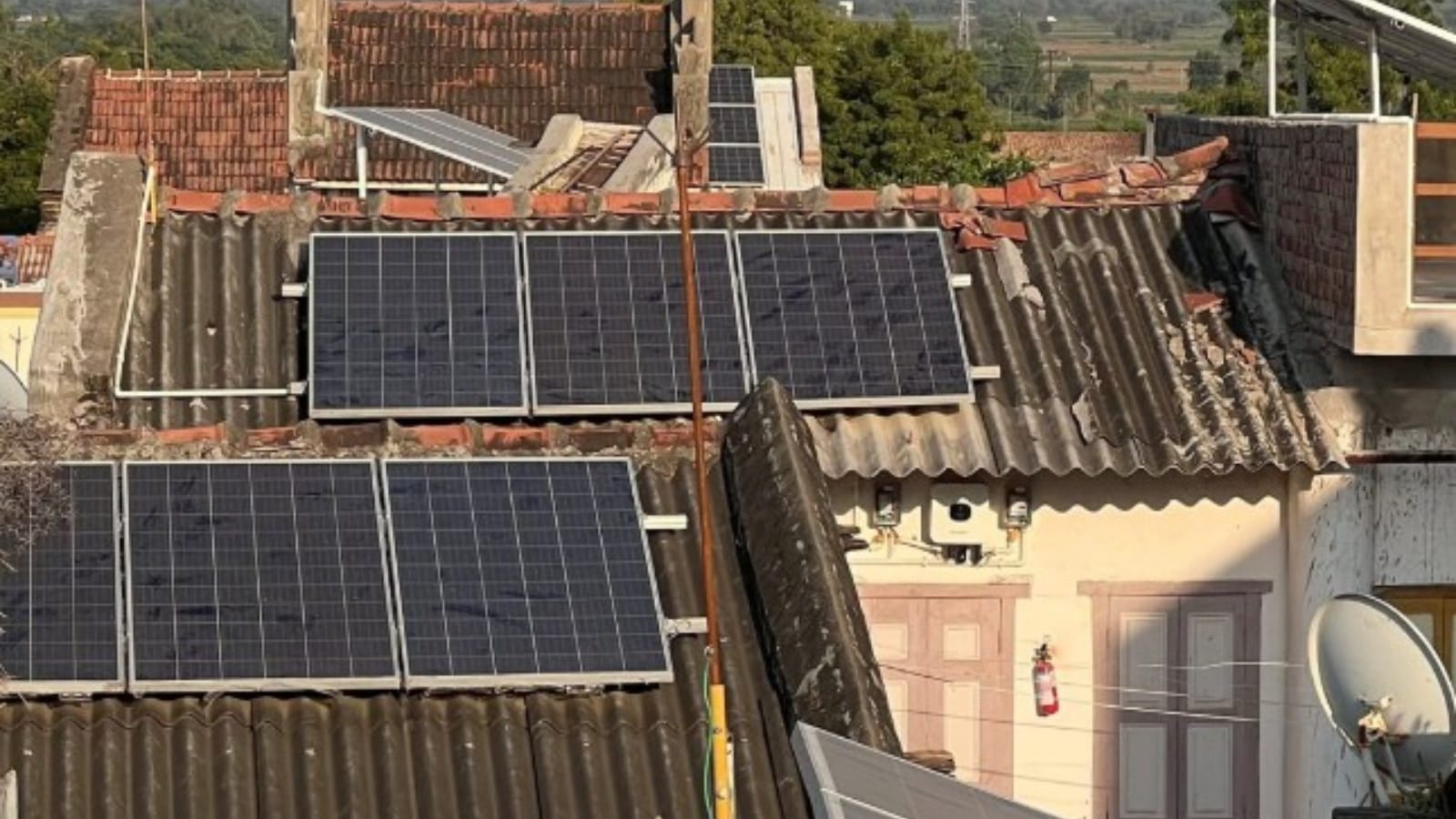
The PM Surya Ghar scheme has hit 4 million solar installations. However, the Domestic Content Requirement (DCR) is acting as a bottleneck. Only solar panels using locally manufactured cells are eligible for subsidies, leading to higher costs and supply shortages for installers.
2. Chennai Residential Solar Subsidies and NABARD Finance Extended
Homeowners in Chennai can access a ₹78,000 government subsidy via the PM Surya Ghar program. Additionally, the NABARD solar financing scheme has been extended until September 2026, offering preferential rates through designated banks, including regional rural and cooperative banks. Using the TANGEDCO net metering scheme, the payback period is just 3.3 years.
3. Chennai Power Demand Peaks at 5,000 MW — Fiscal Strain Rises
Chennai’s power demand has exceeded 5,000 MW, marking an all-time high. This has fueled public complaints regarding power outages and underscores the urgent need for expanded renewable energy investment.

Business Review and Market Opportunities
1. Growth in Residential Solar
With the ₹78,000 subsidy and NABARD loans, demand for home solar is rising. The 3.3-year payback period is highly competitive compared to the 4-5 year international average, creating significant opportunities for installers and equipment suppliers.
2. Impact of DCR Regulations on Manufacturing
While the PM Surya Ghar DCR policy creates a niche for local manufacturers, it also drives up prices. According to reports from the Indian Express, the increased installation costs caused by DCR compliance are slowing project adoption. Companies that invest in scaling local capacity and improving efficiency will likely lead the market.
3. Financial Sector Opportunities
The extension of the NABARD scheme until September 2026 provides a major window for cooperative and rural banks to expand their green loan portfolios. The surging power demand in Chennai is driving homeowners to seek energy independence, which in turn fuels the need for solar financing.
Relevant Tenders and Project Information
No specific tenders are currently available. There are no official announcements from the Chennai local government regarding agricultural or solar tenders since June 13, 2026. While platforms like tendersontime.com and tender18.com track public enterprise bids, no specific details, deadlines, or qualification criteria for local solar projects have been disclosed.
Macro Context
1. Supply-Demand Imbalance in India’s Solar Sector
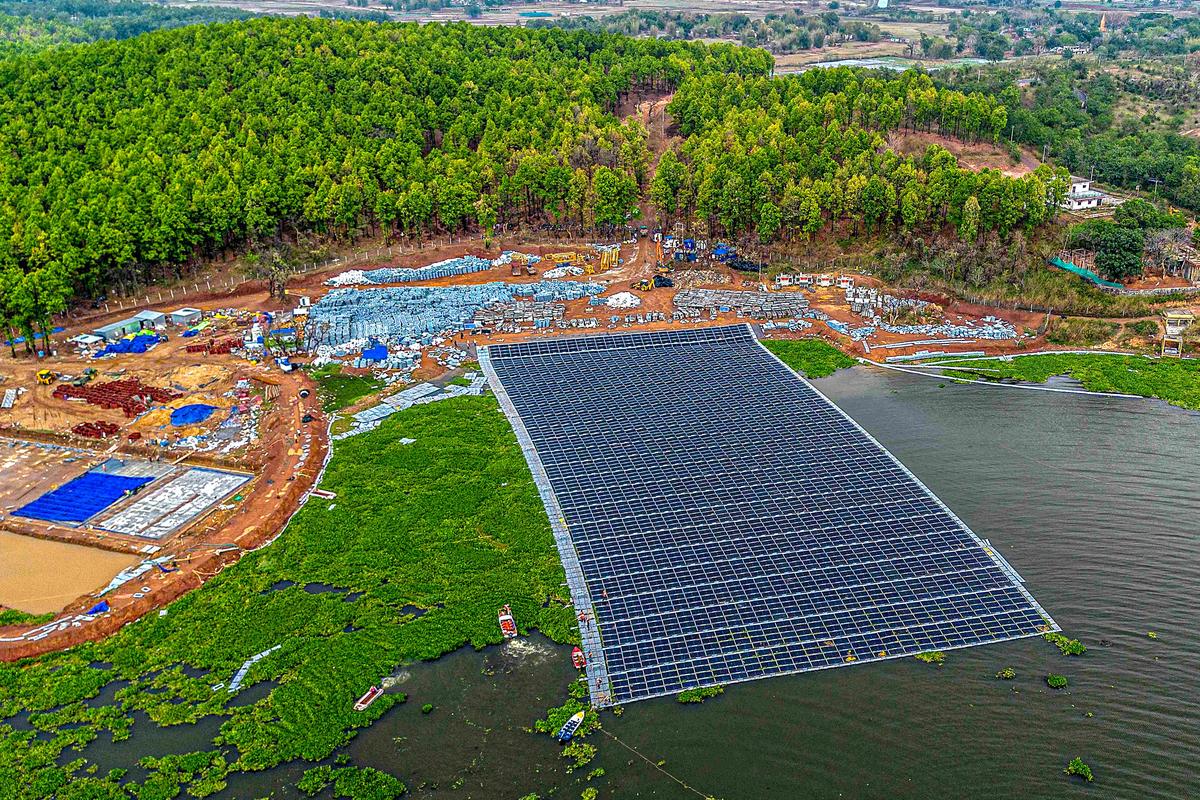
A national assessment suggests India has 102 GW of potential for floating solar installations on water bodies. While this highlights a massive opportunity, it also points to how the current supply shortages under DCR rules could hinder the national transition to renewable energy.
2. Chennai’s Acute Power Shortage
With demand breaching 5,000 MW, the local grid is under immense stress. This highlights the critical need for central government programs like PM Surya Ghar and PM-KUSUM in the Chennai region.
3. Success of PM-KUSUM in Other States
Tribal farmers in Gujarat have successfully used the PM-KUSUM solar irrigation scheme to expand their cultivated area and reduce diesel dependency, allowing for multiple harvests per year. This demonstrates the economic potential for farmers in Tamil Nadu and the Chennai area should they adopt similar initiatives.
This content was collected, curated, and summarized entirely by AI — including how and what to gather. It may contain inaccuracies. Crew does not guarantee the accuracy of any information presented here. Always verify facts on your own before acting on them. Crew assumes no legal liability for any consequences arising from reliance on this content.
Powered by
