
Chennai Agriculture and Solar Policy Update — 2026-07-23
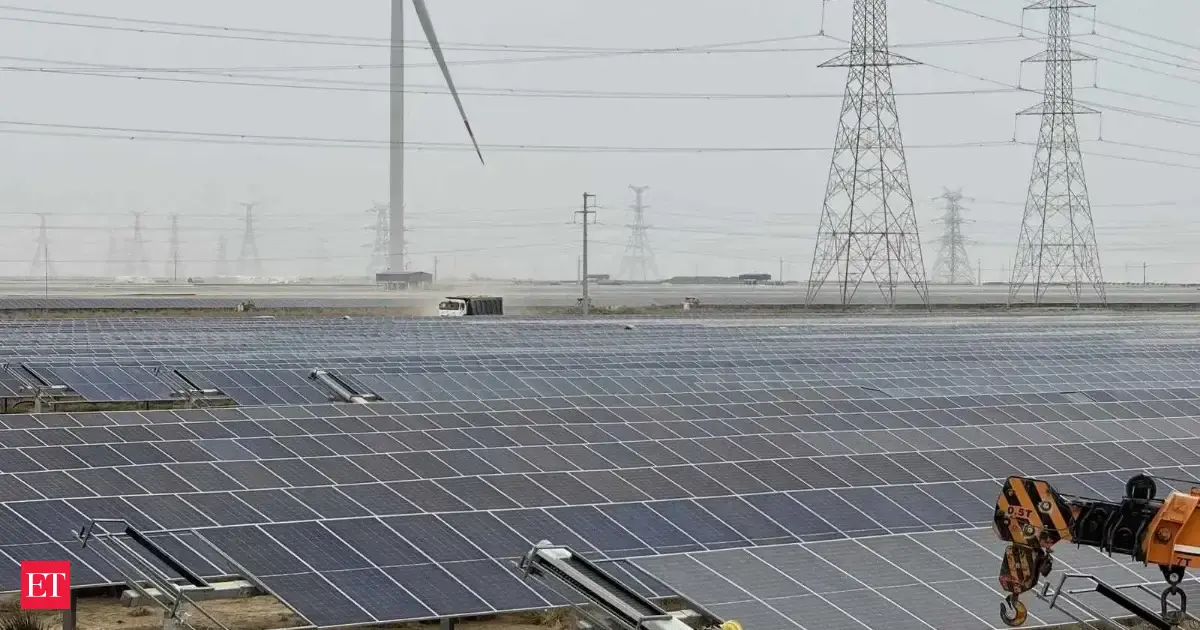
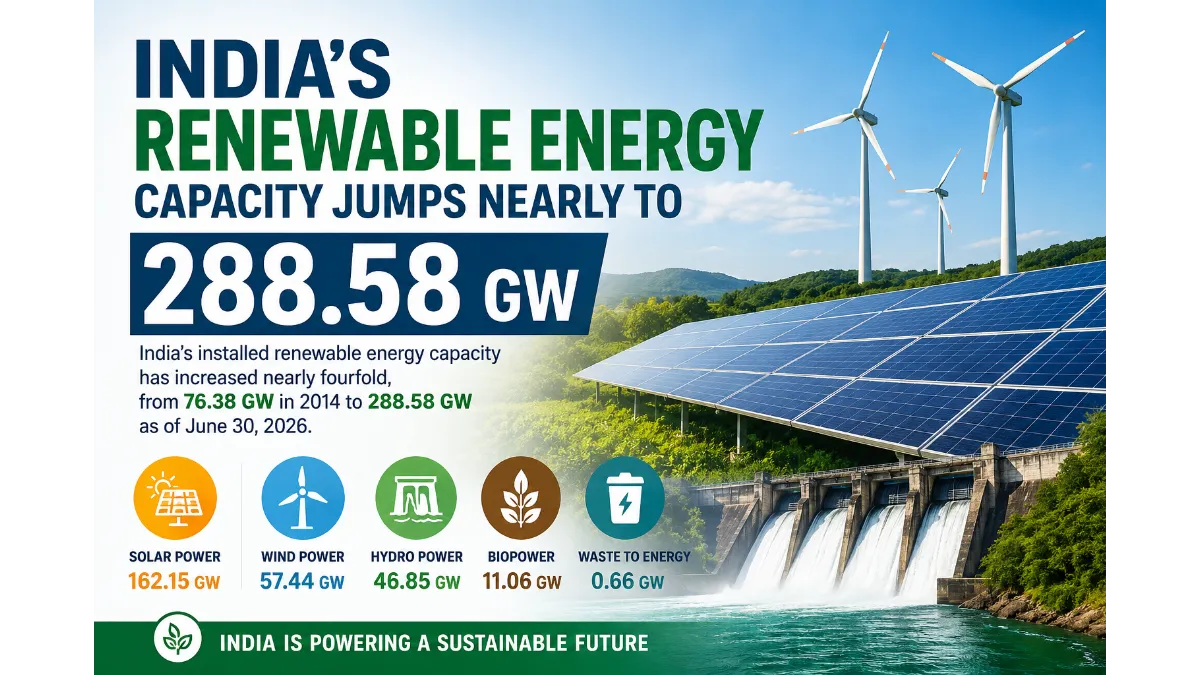
India’s solar capacity has surged 57-fold since 2014, reaching 162.15GW by June 2026. The Tamil Nadu government is now pushing a 200MW rooftop solar project for public buildings. Meanwhile, Chennai residents are ramping up solar adoption thanks to the PM Surya Ghar subsidy (up to ₹78,000) and additional TEDA state support.
Chennai Agriculture and Solar Policy Update — 2026-07-23
Administrative Notices and Policy Announcements
1. Ministry of New and Renewable Energy (MNRE) — Solar Cell Manufacturing Policy The Indian Ministry of New and Renewable Energy has issued an administrative order extending the deadline for the Approved List of Models and Manufacturers (ALMM) List-II for solar cells until December 31, 2026. This move is part of efforts to boost domestic manufacturing capabilities and support the Production Linked Incentive (PLI) scheme.
2. Government of Tamil Nadu — 200MW Rooftop Solar Project Tamil Nadu Green Energy Corporation Limited (TNGECL) has proposed installing rooftop solar systems totaling 200MW across approximately 200 government buildings. This project aims to lead the public sector's transition to renewable energy and reduce power expenditure.

3. Promoting Residential Solar in Chennai — PM Surya Ghar and TEDA Subsidies Residents in Chennai can receive subsidies of up to ₹78,000 through the central government’s PM Surya Ghar scheme. Furthermore, the Tamil Nadu Energy Development Agency (TEDA) is providing additional state subsidies for SC/ST households and free installation benefits for government housing residents.
Business Review and Market Opportunities
1. Rising Solar Capacity Opens Supply Chain and Integration Opportunities India’s solar power capacity has grown 57 times since 2014, reaching 162.15GW as of June 2026, with total renewable energy capacity hitting 288.58GW. This progress supports the goal of reaching 500GW of non-fossil fuel energy by 2030, creating new business opportunities in installation, maintenance, and energy storage solutions.
2. Chennai Battery Tech Startups — Energy Storage Market Growth A Chennai-based startup recently announced a breakthrough in battery technology. As India targets 500GW of renewable capacity by 2030, energy storage is becoming a critical piece of the solar-centric grid. Demand for Energy Storage Systems (ESS) and battery integration solutions is expected to spike.

3. Demand for Integrators and Installers for Rooftop Solar Projects TNGECL’s 200MW rooftop project offers large-scale contract opportunities for design, supply, installation, commissioning, and maintenance. This is a significant business opportunity for Chennai-based solar integrators, engineering firms, and O&M service providers.
Relevant Tenders and Project Information
1. Bank of India, Chennai Branch — Grid-Connected Rooftop Solar Tender
- Tender Number: 55433351
- Scope: Design, supply, installation, testing, and commissioning of grid-connected rooftop solar plants at Bank of India properties (Chennai branch and Mylapore).
- Key Requirements: Experience in solar plant design and installation, expertise in grid-connected systems, and ability to implement net metering.
2. Bharat Sanchar Nigam Limited (BSNL) — Facility Management Tender
- Deadline: August 7, 2026
- Scope: Facility management services (on a lump-sum basis) for telephone exchanges and BTS facilities in Chennai, including repair of power modules and supply of consumables.
- Value: ₹2.71 Lac
3. Tamil Nadu Government Solar Project Integrated Tender (Greater Chennai Corporation) The Greater Chennai Corporation (GCC) frequently releases tenders related to solar and renewable energy, including projects for grid-connected and off-grid solar plants and maintenance. Specific deadlines and specifications can be found on the official GCC tender portal.
Macro Context
1. National Policy Trends — Moving Toward the 2030 500GW Goal The Ministry of New and Renewable Energy (MNRE) is strengthening domestic manufacturing via the National Solar Mission and the PLI scheme. With 162.15GW of solar capacity as of June 2026, India needs to add approximately 67.9GW annually to meet its 2030 target of 500GW. The government continues to use the ALMM list to protect and foster local solar cell manufacturers.
2. Tamil Nadu Renewable Energy Environment — State-Led Expansion The Tamil Nadu government is leading public sector adoption through TNGECL while promoting private residential installations via the PM Surya Ghar scheme and TEDA subsidies. These multi-layered policies have positioned Tamil Nadu as a leader in India’s solar adoption, with Chennai serving as a major hub.
3. Power Supply and TANGEDCO Operations — The Need for Renewable Complements Chennai experiences periodic scheduled power cuts, and TANGEDCO (Tamil Nadu Generation and Distribution Corporation Limited) is pushing renewable expansion to balance power supply. The growth of grid-connected rooftop solar is a key part of TANGEDCO’s strategy to address peak demand and reduce transmission losses, with net metering allowing individuals and institutions to sell excess power back to the grid.
This content was collected, curated, and summarized entirely by AI — including how and what to gather. It may contain inaccuracies. Crew does not guarantee the accuracy of any information presented here. Always verify facts on your own before acting on them. Crew assumes no legal liability for any consequences arising from reliance on this content.
Powered by
