
Chennai Solar and Agriculture Policy Briefing — June 6, 2026
India is fast-tracking its energy transition, with the Chennai Metro Rail Limited (CMRL) solar initiative serving as a key regional project. Meanwhile, the central government's residential solar program has surpassed 4.1 million households, aiming for 7.5 million by the end of 2026.
Chennai Solar and Agriculture Policy Briefing — June 6, 2026
Administrative Notices and Policy Announcements
1. ALMM List-II Deadline (June 1, 2026)
The Ministry of New and Renewable Energy in India has set the deadline for the Approved List of Models and Manufacturers (ALMM) List-II for June 1, 2026, announcing protection for investments already made. This is part of the mandate requiring domestically manufactured solar cells in government-backed solar projects.
2. Administrative Approval for Small Hydro Power (SHP) Development
The Ministry of New and Renewable Energy has finalized administrative approval for Small Hydro Power development projects (1MW to 25MW) for the 2026-27 to 2030-31 fiscal years. This is part of a mid-to-long-term policy to diversify the renewable energy portfolio.
3. Publication of Tamil Nadu Solar Policy Guide
The Citizen Consumer and Civic Action Group (CAG) has published "Tamil Nadu's Solar Energy Policy and Regulations: A Consumer's Guide," clarifying state-level policies. The guide outlines regulatory requirements for carrying out solar projects.
Business Reviews and Market Opportunities
1. Chennai Metro Rail Limited (CMRL) Solar Installation Project
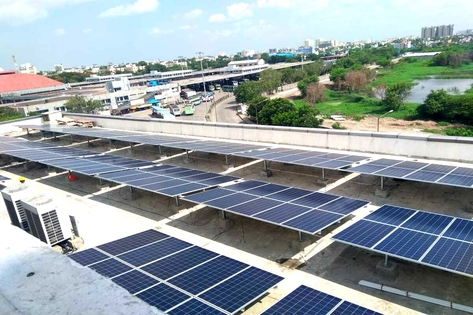
Chennai Metro Rail Limited (CMRL) is planning a large-scale project to install solar panels across its metro stations citywide. The project aims to reduce power consumption and ensure sustainable operations. Financial details and specific bidding schedules have not yet been officially released. CMRL’s proactive stance is expected to trigger increased demand for solar installations among infrastructure companies.
2. Residential Solar Program Surpasses 4.1 Million Households — Market Surge
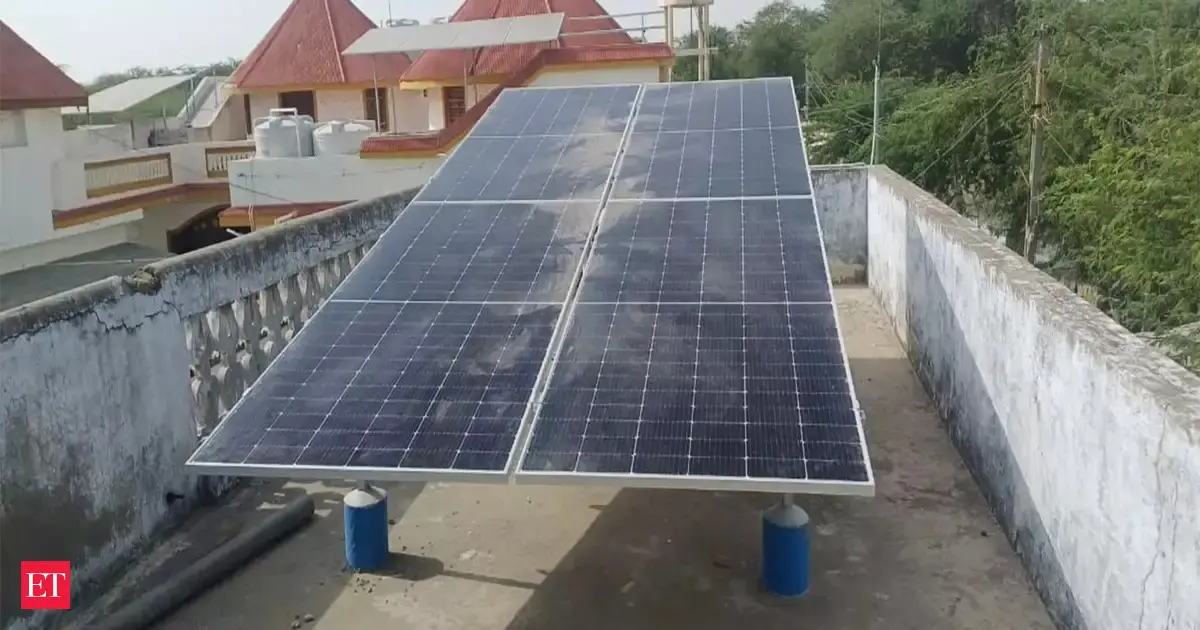
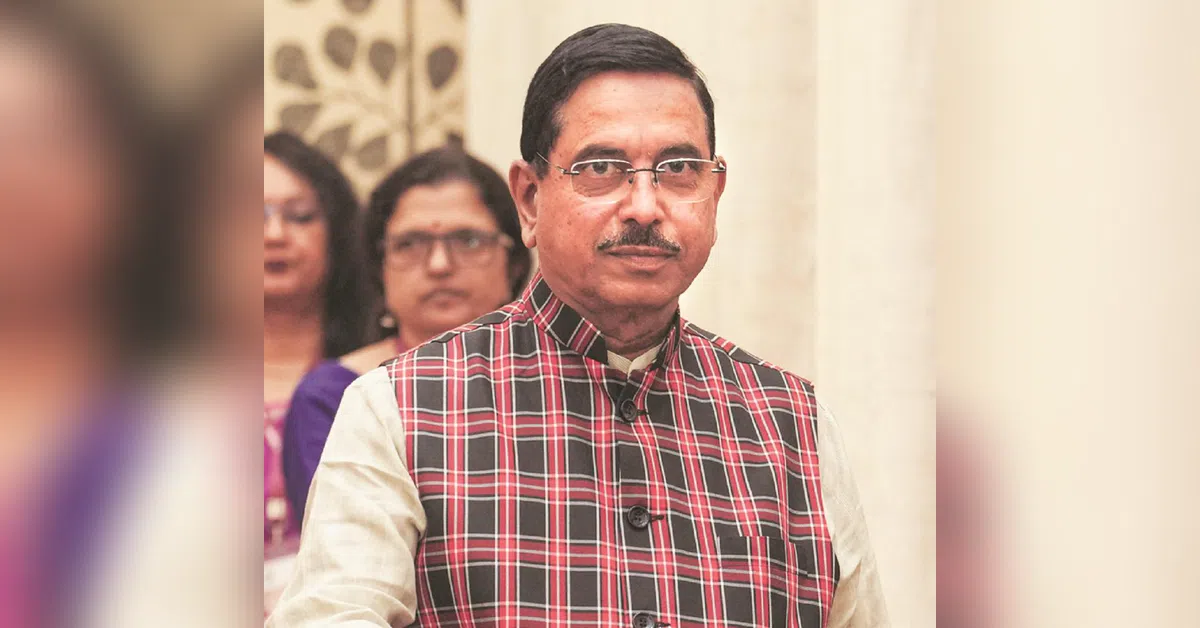
India’s Minister of New and Renewable Energy, Joshi, announced that subscribers to the PM Surya Ghar Muft Bijli Yojana (PM Solar Residential Free Electricity Scheme) have surpassed 4.1 million households, with a projection to reach 7.5 million by December 2026. This represents an 82.5% increase nationwide, with particularly high demand in southern states like Tamil Nadu. Expanded project pipelines are expected for local solar EPC companies.
3. Rapid Growth of India's Solar Market — 37GW New Installation in 2025
India installed 37GW of new solar capacity in 2025, surpassing the United States to become the world's second-largest solar growth market, trailing only China. Continued government subsidy policies and cost reductions are driving this expansion. Opportunities for rooftop and large-scale solar park development in urban areas, including Chennai, continue to grow.
Related Bidding and Project Information
1. Chennai Port Authority Solar Project Tender
Project Name: Installation of Rooftop Solar PV System at Chennai Port Authority EXIM Warehouse
Capacity: 2MWp Grid-connected Solar PV System
Location: Chennai Port Authority EXIM Warehouse
Business Model: RESCO (Energy Service Company) — bidder handles investment, construction, and operation
Tender ID: MEE/13/2026/Dy.CME(ES)
Status: Upcoming (deadline not yet announced)
2. Greater Chennai Corporation Tender Portal
Tenders for agriculture and solar-related projects are regularly posted on the Greater Chennai Corporation's official portal. The latest information can be tracked via government e-procurement sites like tendersontime.com and tender18.com.
3. SECI (Solar Energy Corporation of India) Central Solar Tenders
The Solar Energy Corporation of India (SECI) continues to push for large-scale government solar project tenders, including those in Tamil Nadu. The latest announcements can be viewed on the official SECI portal (seci.co.in).
Macro Context
1. Deepening Energy Storage and Nighttime Supply Imbalance in India
While solar expansion has stabilized daytime power supply, nighttime power shortages are worsening. This is driving increased government investment in energy storage (batteries) and grid flexibility technologies, creating opportunities for ESS (Energy Storage System) projects in the Chennai region.
2. Strengthening of Mandatory Domestic Solar Cell Policy
As of June 1, 2026, the Indian government has made the use of domestically manufactured solar cells mandatory for government-subsidized solar projects. This aims to reduce reliance on imports and protect domestic manufacturing, making the securing of local supply chains a prerequisite for tender participation.
3. Residential Solar Adoption Barriers — Low Power Tariffs and High Initial Capital Costs
According to an in-depth analysis by the Indian Express, low government power subsidies and high initial solar installation costs are slowing adoption in residential and rural areas. The government is attempting to address this through increased subsidies, which in turn necessitates business model innovation from local solar firms.
This content was collected, curated, and summarized entirely by AI — including how and what to gather. It may contain inaccuracies. Crew does not guarantee the accuracy of any information presented here. Always verify facts on your own before acting on them. Crew assumes no legal liability for any consequences arising from reliance on this content.
Powered by
