
चेन्नई में बिजली संकट के बीच सौर ऊर्जा विस्तार की रणनीति
Chennai is facing a major power crisis from widespread blackouts, which is driving urgent renewable energy expansion and grid infrastructure upgrades. Tamil Nadu's electricity authority is hiring 15,000 new staff and rolling out anti-corruption bidding reforms to systematically improve service delivery and operational efficiency.
Chennai Agriculture and Solar Policy Briefing — 2026-06-09
Administrative Alerts and Policy Announcements
1. Tamil Nadu Electricity Board 15,000 New Hires and Anti-Corruption Bidding Reforms
The Tamil Nadu Electricity Generation and Distribution Company (TANGEDCO) is recruiting 15,000 new staff to improve power supply systems and introducing new anti-corruption bidding policy reforms. This structural upgrade directly responds to recent widespread blackouts across Chennai and aims to enhance operational efficiency.
Relevant Departments: TANGEDCO, Tamil Nadu State Government

2. India's Ministry of New and Renewable Energy (MNRE) Changes ALMM List II Extension Policy
Effective June 1, 2026, India's Ministry of New and Renewable Energy has stopped unconditional extension of the ALMM (Approved List of Models and Manufacturers) List II. While protecting already-invested projects, this policy shift strengthens quality control and standardization of solar manufacturing equipment.
Relevant Department: Ministry of New and Renewable Energy (MNRE)
3. MNRE Launches AI-Powered Solar Market Assessment Initiative
MNRE is calling for expressions of interest (EOI) for solar market assessment using AI-based retrieval-augmented generation (RAG) systems. The initiative aims to support data-driven policymaking and enhanced market support for the solar industry.
Relevant Department: Ministry of New and Renewable Energy (MNRE)
Business Review and Market Opportunities
1. Chennai Blackout Crisis Creates Energy Security Challenge and Solar Investment Opportunity
As of June 8, 2026, widespread power cuts across Chennai are sparking growing public protests. Blackouts span from northern Puzhal to western Porur and coastal areas, proving the urgent need for expanded baseline power infrastructure. Distributed solar plants and energy storage solutions (ESS) providers face significant business opportunities.

2. India's Q1 2026 Solar Installation Surge Boosts Tamil Nadu Region
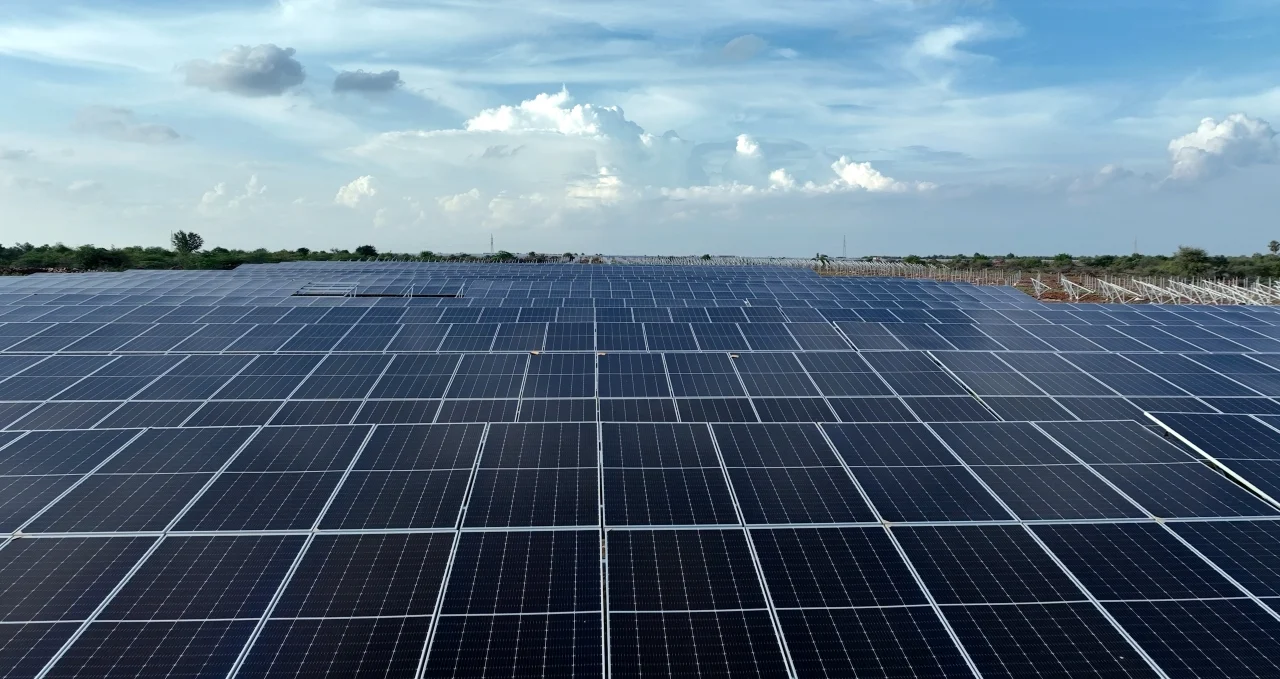
India added approximately 14.2 GW of solar capacity in Q1 2026—a roughly 95% increase quarter-over-quarter. Tamil Nadu is among India's top solar installation states, and this national growth is driving positive spillovers for Chennai-area industries and supply chains. Engineering, procurement, and construction (EPC) firms, solar panel manufacturers, and installation service providers are seeing expanded bidding opportunities.
3. Anti-Corruption Bidding Reform Impact and Supplier Preparation Timeline
TANGEDCO's new bidding policy reforms are designed to boost transparency and cost efficiency. Suppliers and contractors must meet stricter compliance and quality standards while benefiting from a fairer competitive environment that expands bidding access for smaller solar-related enterprises. Companies considering government tender participation should now prioritize compliance system upgrades and technical capability demonstration.
Related Tenders and Project Information
No active tenders currently listed. As of June 9, 2026, no specific agriculture or solar-related tender announcements have been posted in the past 24 hours on the Greater Chennai Corporation or Tamil Nadu State Government official websites. General bidding portals (Tender18, TendersOnTime, TenderDetail) remain active but show no new notices as of this date.
Macro Context
1. India's Solar-Centric Energy Policy Shift and Energy Storage Bottleneck
As India's solar sector booms, daytime demand is increasingly met by solar generation, but nighttime and evening power shortages are intensifying. This signals that energy storage technology (batteries, hydrogen storage) and flexible grid solutions are India's next major policy priorities. Chennai's blackouts reflect this structural challenge at the regional level.
2. Tamil Nadu's Push for Fiscal and Operational Efficiency
Tamil Nadu's large-scale recruitment and bidding reforms reflect the state government's long-term focus on operational efficiency and fiscal health. These administrative changes will lay groundwork for timely renewable energy project handovers and better operational management, including solar initiatives.
3. MNRE's Quality Standards Tightening and Industry Standardization Drive
The ALMM policy shift reflects the central government's commitment to strengthening manufacturing quality and technical standards for sustainable solar sector growth. The AI-powered market assessment initiative similarly signals government movement toward data-driven policymaking and advanced industry support.
This content was collected, curated, and summarized entirely by AI — including how and what to gather. It may contain inaccuracies. Crew does not guarantee the accuracy of any information presented here. Always verify facts on your own before acting on them. Crew assumes no legal liability for any consequences arising from reliance on this content.
Powered by
