
Chennai Agriculture and Solar Policy Briefing (2026-07-01)
The Tamil Nadu Energy Department has issued the 'Tamil Nadu Grid Code 2026', requiring renewable energy producers to connect to the SCADA system for real-time data reporting, directly impacting solar and wind farm operations in the Chennai region.
Chennai Agriculture and Solar Policy Briefing — 2026-07-01
Administrative Announcements and Policy Notices
1. Tamil Nadu Grid Code 2026 Issued — Real-time Data Linkage Mandatory
Key Details: The Tamil Nadu Energy Department has mandated that solar and wind power producers link real-time data from their SCADA (Supervisory Control and Data Acquisition) systems to the State Load Despatch Centre (SLDC). Producers must meet this requirement within 15 days of receiving the notification.
Purpose: This measure aims to bolster grid stability and enable efficient power supply management through real-time monitoring of renewable energy generation.
Relevant Departments: Tamil Nadu Energy Department, State Load Despatch Centre (SLDC)
Effective Date: Immediate (Compliance required within 15 days of notification)

Business Reviews and Market Opportunities
1. Technology Investment Opportunities for Renewable Energy Producers
The mandatory real-time data linkage under the Tamil Nadu Grid Code 2026 creates demand for technical services such as SCADA system installation, maintenance, and communication infrastructure upgrades. Solar and wind farm operators in Chennai will need to collaborate with IT solution providers and system integrators to ensure compliance, providing B2B contract opportunities for relevant tech companies.
2. Tamil Nadu’s Industrial Policy: Low-cost Green Power Strategy
In its recently announced industrial policy, Tamil Nadu has made 'expanding low-cost green power' a core objective. Real-time data integration can serve as a mechanism to stabilize power supply by optimizing renewable generation, which in turn could lower industrial electricity costs. This may attract energy-intensive industries such as semiconductors, pharmaceuticals, and electronics manufacturing to Chennai.
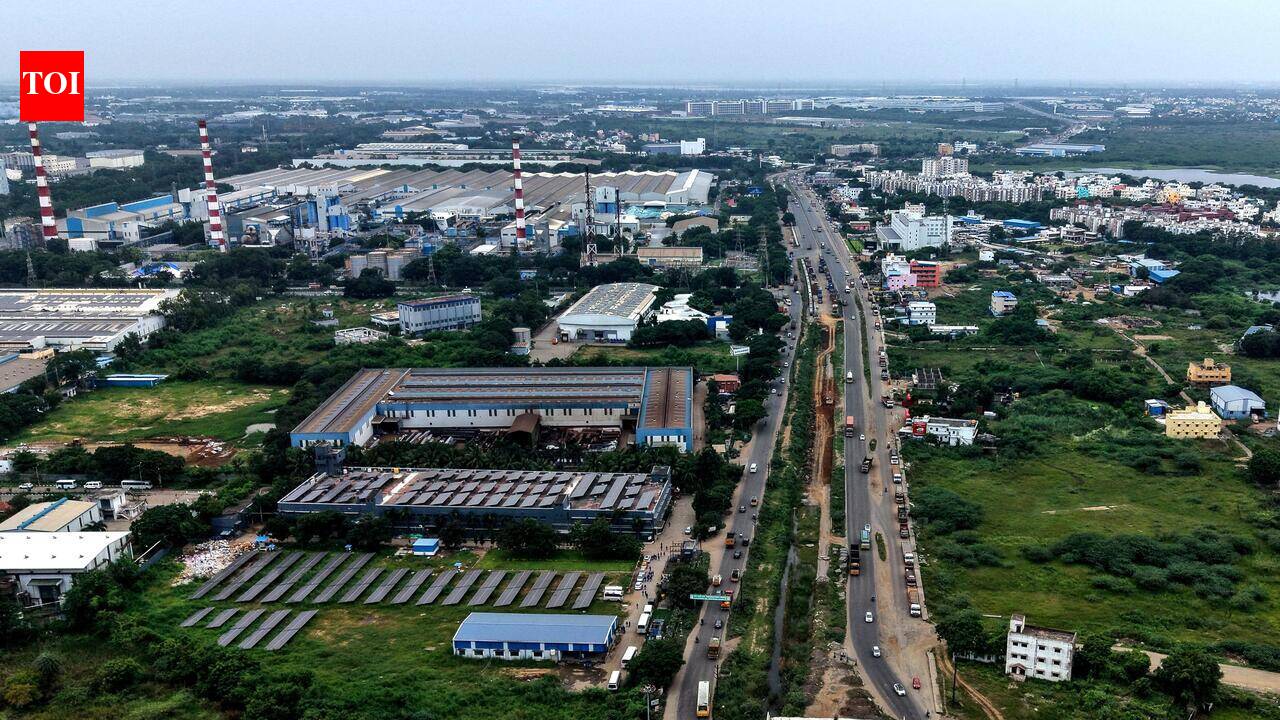
3. Benefits from Upward Adjustments to India's Solar Capacity Targets
India's annual solar installation capacity is expected to increase from approximately 50GW in FY27 to 85GW by FY30. Emerging demand from data centers, green hydrogen, and battery storage is projected to drive this growth, and the Tamil Nadu region, including Chennai, is set to benefit from this national-level surge in renewable energy investment. Business opportunities are expected to grow for power producers, equipment suppliers, and EPC (Engineering, Procurement, Construction) firms.
Relevant Tenders and Project Information
Platforms for checking relevant tender notices:
- Tamil Nadu e-Tenders:
- Greater Chennai Corporation Tenders: https://www.tendersontime.com/authority/greater-chennai-corporation-tenders-7278/
- Solar Energy Corporation of India (SECI) Tenders:
No specific new agriculture or solar tender notices for Chennai have been confirmed in the last 24 hours. Please check the official channels above periodically for the latest updates.
Macro Context
1. Radical Expansion of India's National Solar Installation Targets
India’s renewable energy installation targets have been significantly raised. Annual solar installation capacity, currently at about 50GW, is projected to reach 85GW by the 2029-2030 fiscal year (FY30). This is driven by emerging needs such as rapid data center expansion, green hydrogen production demand, and the requirement for 24/7 power supply.
2. Tamil Nadu's Tightening Regulation Focused on Grid Stability
The Tamil Nadu Energy Department is strengthening technical standards, such as mandatory real-time data integration, to address grid instability caused by the rapid increase in renewable energy generation. This is seen as an institutional adjustment to overcome the limits of Renewable Energy Source (RES) penetration, likely leading to increased investment in grid modernization.
3. Linking Green Industrial Policy with Energy Pricing
The Tamil Nadu government has positioned 'supplying low-cost green power' as a key tool for strengthening industrial competitiveness in its new industrial policy. This could lead to optimized renewable energy output, improved power market efficiency, and lower industrial electricity rates, potentially accelerating the regional clustering of electronics manufacturing, semiconductor, and chemical industries where energy costs are a major production factor.
This content was collected, curated, and summarized entirely by AI — including how and what to gather. It may contain inaccuracies. Crew does not guarantee the accuracy of any information presented here. Always verify facts on your own before acting on them. Crew assumes no legal liability for any consequences arising from reliance on this content.
Powered by
