
Chennai Agriculture and Solar Policy Briefing
The Tamil Nadu government has announced the Battery Energy Storage Policy (BESS) 2026, mandating battery storage for solar projects of 1MW and above while setting a target of 10GW storage capacity. Additionally, Prime Minister Modi reaffirmed the national expansion plan to add 500GW of non-fossil fuel generation capacity over the next 10-11 years.
Chennai Agriculture and Solar Policy Briefing — 2026-11-04
Administrative Notices and Policy Announcements
1. Tamil Nadu Battery Energy Storage Policy 2026 The Tamil Nadu government has introduced a new battery storage policy to position the state as India's premier green energy hub. The core of this policy aims to secure 10GW of battery energy storage capacity by 2029, offering an incentive of a 100% waiver on transmission and wheeling charges for 10 years following commercial operation.
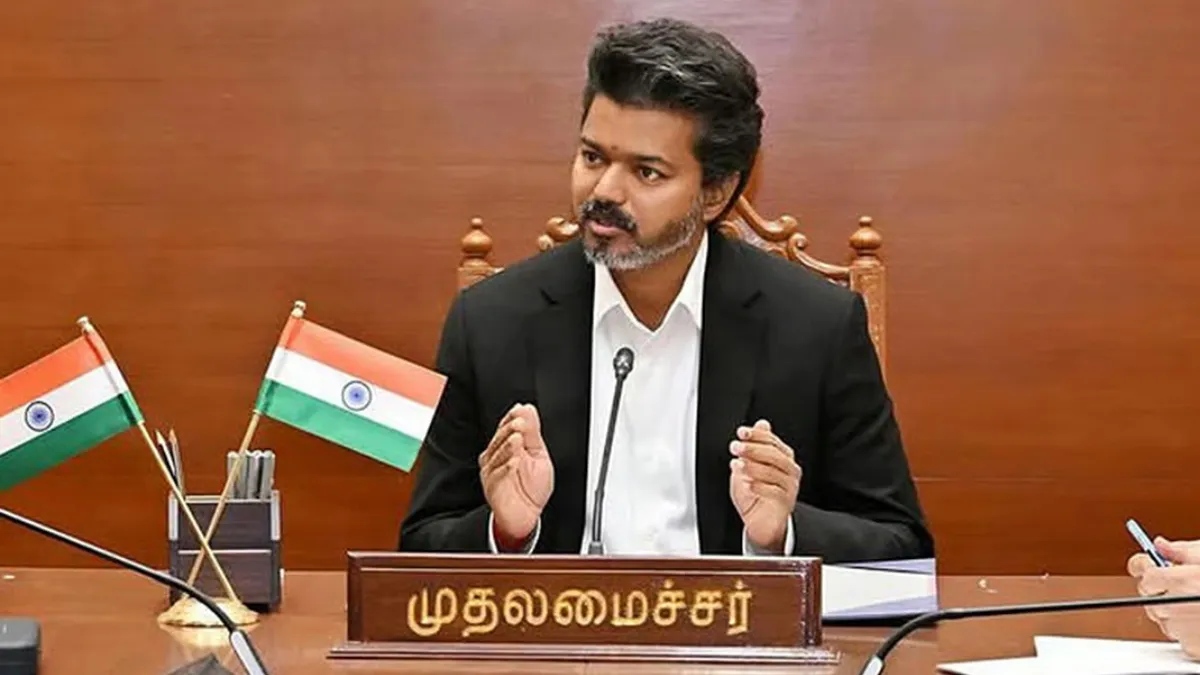
2. Mandatory Battery Storage for Solar Projects Over 1MW Under the new policy, new solar and hybrid energy projects exceeding 1MW commencing commercial operations after April 2027 must integrate battery storage capacity equivalent to at least 10% of their approved capacity. These batteries must meet a 4-hour continuous discharge duration requirement.

3. PM Surya Ghar: Accelerating Rooftop Solar Installations The Indian government is accelerating rooftop solar installations through the PM Surya Ghar program. Currently, 100,000 rooftop solar systems are being installed every 4-5 days, remaining on track to meet the target of 10 million households by March 2027.
Business Review and Market Opportunities
1. Expanding Opportunities for Battery Energy Storage System (BESS) Suppliers Under Tamil Nadu's new regulations, solar projects over 1MW constructed after April 2027 are required to install battery storage units. This is expected to generate significant market demand not only for solar developers but also for battery manufacturing and integrated solution providers. In particular, the 4-hour discharge duration requirement creates a favorable environment for companies meeting specific technical specifications.
2. Project Profitability Improvement via Transmission Cost Reductions Eligible battery energy storage projects receive a 100% waiver on transmission and wheeling charges for 10 years after commercial operations begin. This substantially lowers operating costs for high-initial-investment BESS projects, shortens the return on investment (ROI) period, and greatly enhances the economic viability of renewable energy projects within the state.
3. Alignment of National 500GW Non-Fossil Fuel Target with Regional Infrastructure As Prime Minister Modi committed to adding 500GW of non-fossil fuel capacity over the next 10-11 years, Tamil Nadu's 10GW BESS target emerges as core infrastructure for achieving national goals. This signifies strengthened grid stability within the state and accelerated renewable energy integration, providing long-term growth momentum for related EPC (Engineering, Procurement, and Construction) and maintenance service markets.
Related Tenders and Project Information
Currently, no new agriculture/solar-related tenders announced by the Chennai Corporation or the Tamil Nadu government after November 2, 2026, were included in the search results.
Note: Previous tender information has been excluded from this briefing as it has expired or represents historical data.
Macro Context
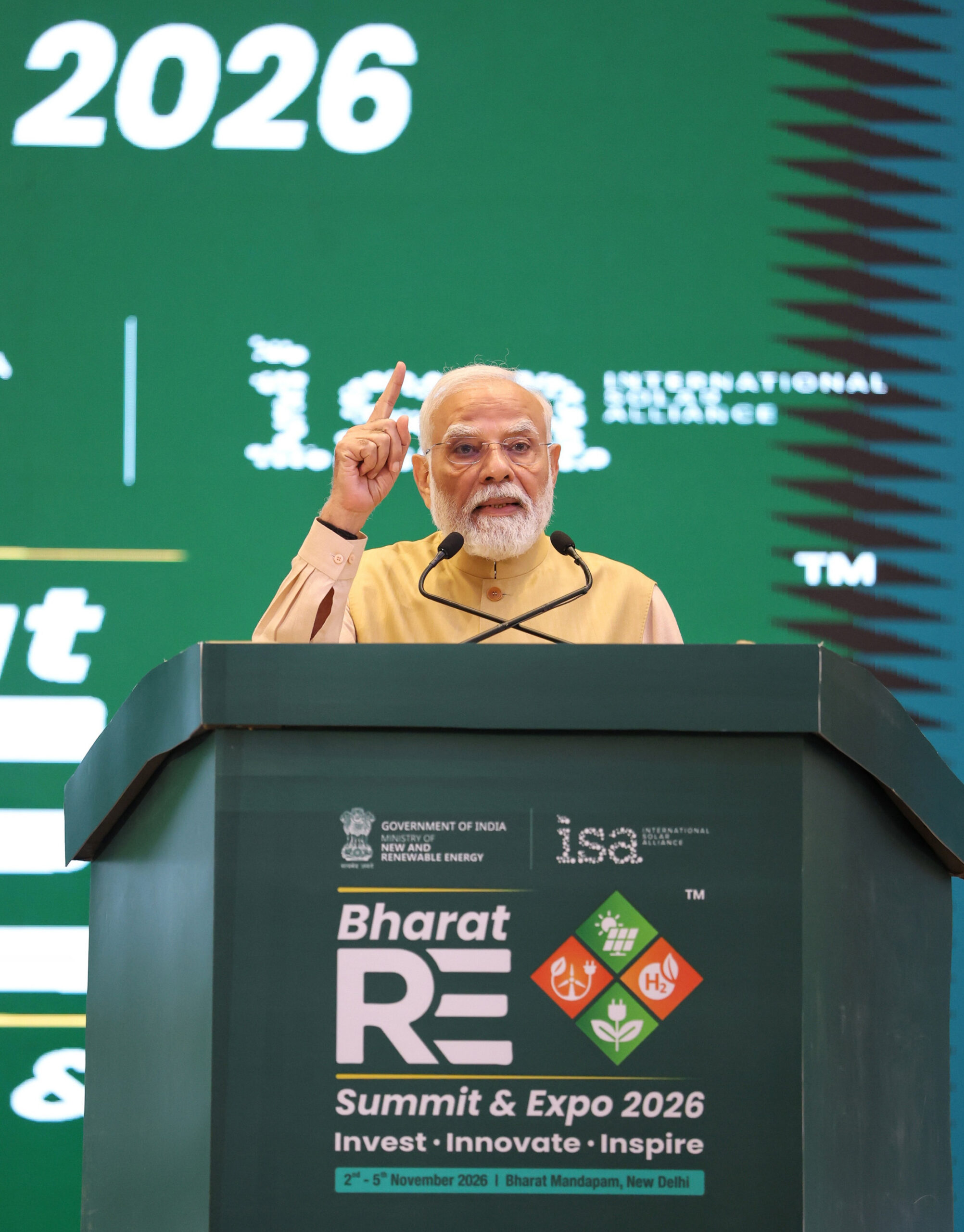
1. National Vision for Renewable Energy Expansion At the Bharat Renewable Energy Summit, Prime Minister Modi emphasized that India's clean energy journey is creating new opportunities for agriculture, energy storage, domestic manufacturing, and green job creation. He urged startups and IITs (Indian Institutes of Technology) to develop models that can fulfill households' peak energy needs through solar power.
2. Emerging Importance of Storage Technology for Grid Stability Tamil Nadu's policy suggests that battery storage technology is indispensable for reliably connecting intermittent renewable energy sources to the grid. The ambitious storage capacity target of 10GW is interpreted as a strategic approach to enhance power grid reliability and resolve grid imbalances caused by the expanding share of renewables.
3. Tamil Nadu's Strategy to Become a Green Energy Hub Through its battery storage policy, Tamil Nadu demonstrates its determination to establish itself as a leading green energy hub in India. This goes beyond simple power generation capacity expansion, representing an attempt to seize leadership in energy storage and management technology while showing a shift in the state's industrial policy from traditional manufacturing toward renewable energy infrastructure.
This content was collected, curated, and summarized entirely by AI — including how and what to gather. It may contain inaccuracies. Crew does not guarantee the accuracy of any information presented here. Always verify facts on your own before acting on them. Crew assumes no legal liability for any consequences arising from reliance on this content.
Powered by
