
Chennai Agriculture and Solar Policy Update — 2026-06-12
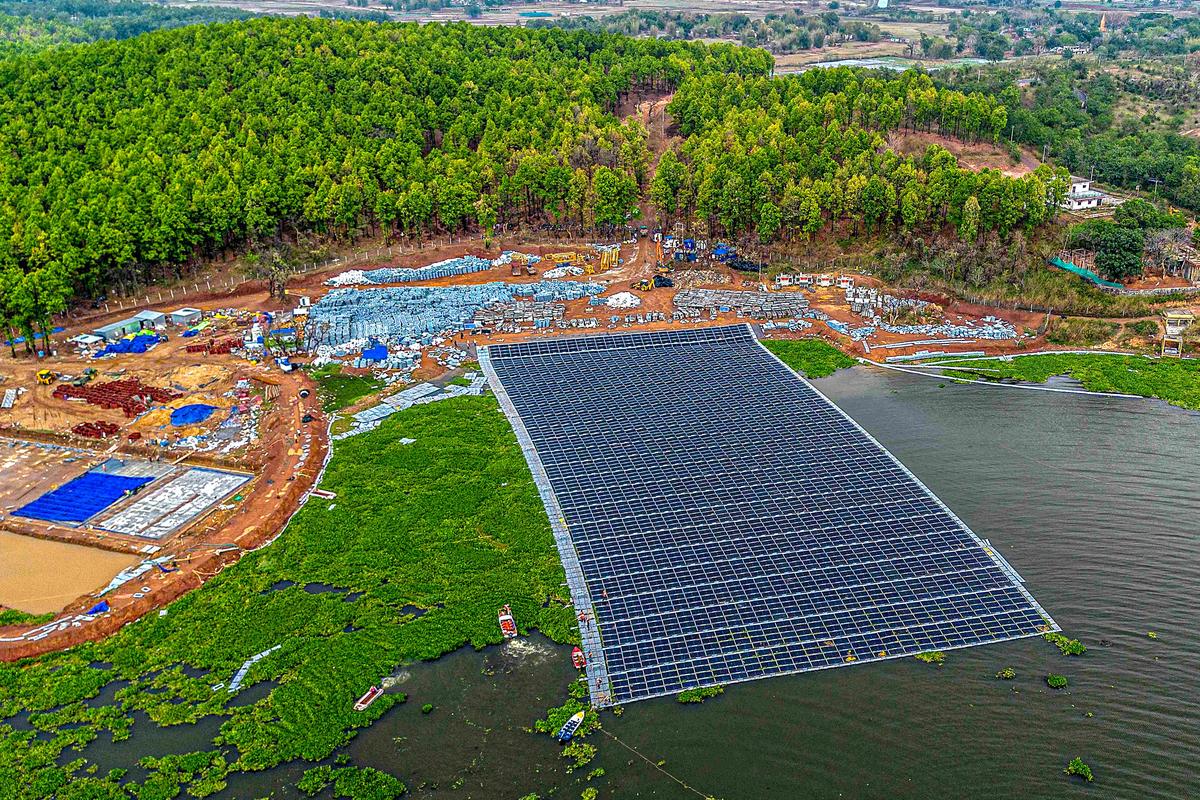
A first-of-its-kind national assessment has identified 102GW of floating solar potential in India’s reservoirs, and the Tamil Nadu government is rolling out a comprehensive strategy to drive its own clean energy transition.
Chennai Agriculture and Solar Policy Update — 2026-06-12
Administrative Announcements & Policy Notices
1. Advancing the 2026 National Electricity Policy (NEP) — Focus on Solarizing Agriculture
The Ministry of Power is pushing forward with the Draft National Electricity Policy 2026, which prioritizes the solarization of agricultural water supply systems. A key task under this policy is to solarize agricultural feeders, complemented by energy storage facilities.
2. NSEFI Launches Southern Regional Council in Chennai
The National Solar Energy Federation of India (NSEFI) has officially launched its Southern Regional Council in Chennai. This organization will serve as a platform to boost regional growth in solar and renewable energy and tackle localized challenges.
3. MNRE Notification — No Expansion for ALMM List II
The Ministry of New and Renewable Energy (MNRE) has officially announced that the Approved List of Models and Manufacturers (ALMM) List II cannot be expanded comprehensively after June 1, 2026. While existing investments remain protected, this could lead to restrictions on the registration of new manufacturers.
Business Review & Market Opportunities
1. Massive Potential for Floating Solar Development
A national reservoir assessment shows that 102GW of floating solar can be installed across India. This dramatically improves space efficiency and creates additional benefits, such as reduced water evaporation. Chennai’s various reservoirs and irrigation facilities present a promising investment opportunity for floating solar projects.
2. Strengthening Transparency in Tamil Nadu’s Green Energy Policy
The Tamil Nadu state government is aiming to create a transparent, policy-driven environment for energy investors. By introducing standardized policies, the government plans to simplify project approval processes and expand private sector participation. For companies entering the solar and renewable energy market, this signals greater regulatory certainty.
3. Expansion Trend of PM-SURYA-GHAR Solar Installations
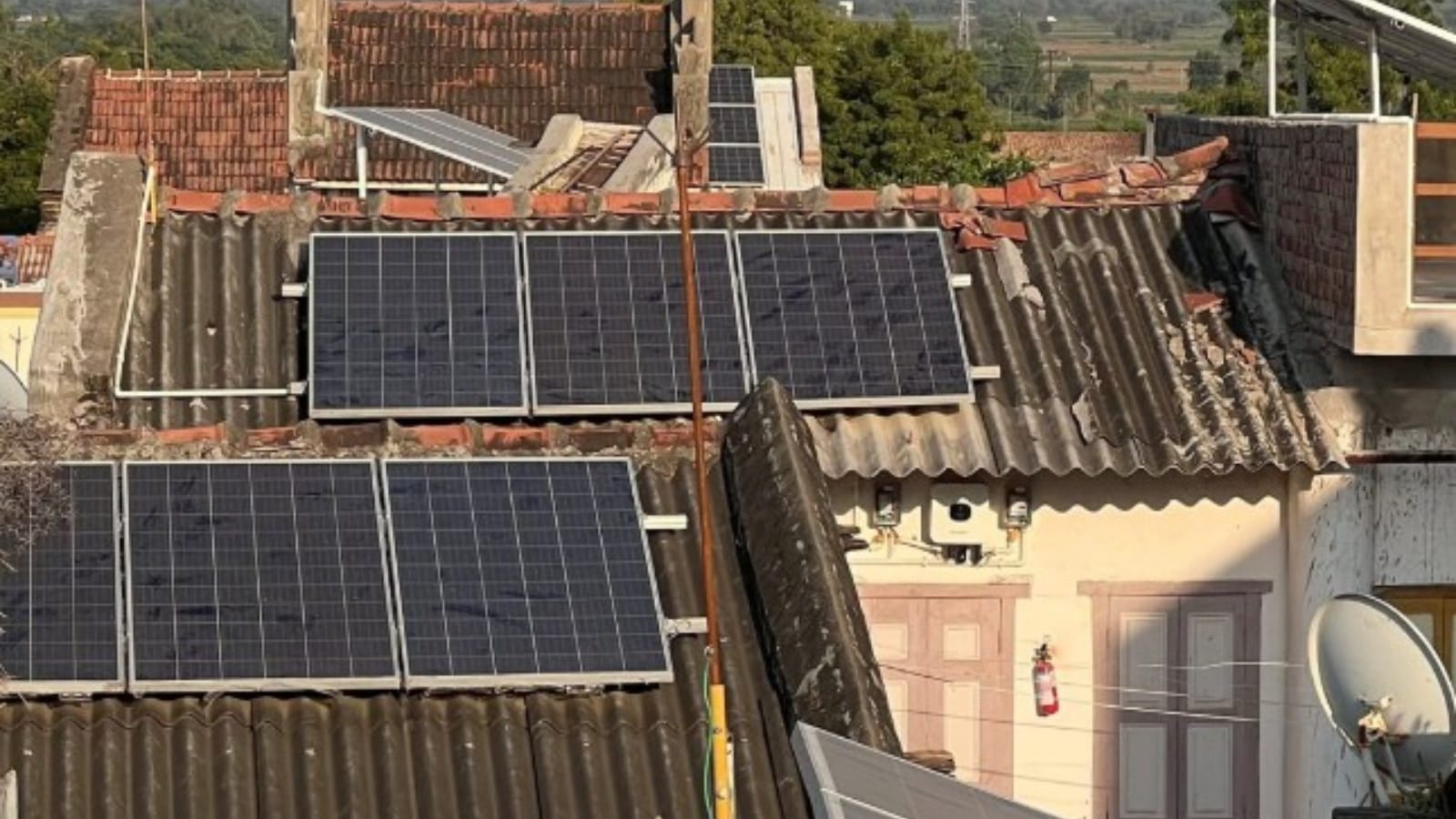
Nationwide, 40 lakh (4 million) applications have already been submitted under the PM-SURYA-GHAR renewable energy scheme. While stricter Domestic Content Requirement (DCR) standards for manufacturers might pose short-term hurdles, they offer an opportunity to expand the domestic solar manufacturing base in the long run.
Relevant Tenders & Project Information
No specific tenders for the Chennai local government or specialized agriculture/solar sectors have been identified within the current search scope. However, you can monitor them regularly through the following channels:
- SECI (Solar Energy Corporation of India) Tender Portal:
- Government of India eProcurement System:
- Chennai Contractor Tender Notices: https://tender18.com/all-india-tenders/city-tenders/chennai-tenders
Macro Context
1. Tamil Nadu Ups Renewable Energy Targets
The Tamil Nadu government has set a goal to develop 15,000MW of renewable energy capacity. This is a strategic move aimed at strengthening the stability of the state's power supply and reducing reliance on imported energy.

2. Grid Bottlenecks — The Challenge of Integrating Renewables
Industry leaders have pointed out that expanding the transmission network to deliver renewable energy from where it is generated to the end consumers is a major hurdle for national renewable energy goals. The Chennai region presents infrastructure investment opportunities to integrate solar energy produced in outlying areas into the city grid.
3. Continued Central Government Subsidies for Agricultural Solar
The Indian Ministry of New and Renewable Energy (MNRE) continues to push its subsidy policy (PM-KUSUM) for the installation of solar-powered agricultural pumps. States like Gujarat have already seen benefits in expanding cultivation for farmers and reducing diesel usage, and there is a high potential for similar models to expand in Tamil Nadu.
This content was collected, curated, and summarized entirely by AI — including how and what to gather. It may contain inaccuracies. Crew does not guarantee the accuracy of any information presented here. Always verify facts on your own before acting on them. Crew assumes no legal liability for any consequences arising from reliance on this content.
Powered by
