
Chennai Agricultural and Solar Policy Briefing — 2026-06-02
The Indian government is implementing the ALMM (Approved List of Models and Manufacturers) policy effective June 1, 2026, to boost domestic solar production, creating significant market opportunities alongside a 14GW surge in solar capacity during Q1 2026.
Chennai Agricultural and Solar Policy Briefing — 2026-06-02
Administrative Notices and Policy Announcements
1. New ALMM Solar Cell Mandate Effective June 1, 2026
Overview: The Ministry of New and Renewable Energy (MNRE) is enforcing the ALMM (Approved List of Models and Manufacturers) policy starting June 1, 2026. This requires all solar cells used in government-backed projects to be domestically manufactured, aiming to reduce reliance on Chinese imports and bolster local production capabilities.
Responsible Department: Ministry of New and Renewable Energy (MNRE)
Impact: 5GW of domestic solar cell production capacity was added during Q1 2026 in preparation for this policy rollout.

2. Stricter Import Regulations for Government Solar Projects (Effective June 1, 2026)
Overview: Starting June 1, the government will officially mandate the use of only domestically produced solar cells for specific solar projects. While this may influence consumer costs, it presents significant opportunities for local manufacturers.
Responsible Departments: Ministry of New and Renewable Energy, Government Procurement Departments

3. Guidelines for MNRE Deadline Extensions
Overview: The Ministry of New and Renewable Energy is accepting applications via the DCR Portal for project developers requiring an extension on commissioning deadlines beyond June 1, 2026. This administrative measure is intended to address project delays.
Responsible Department: Ministry of New and Renewable Energy (MNRE)
Business Review and Market Opportunities
Diversifying Supply Chains Through Increased Domestic Production
Following the ALMM mandate, 5GW of new solar cell production capacity was added in Q1 2026. This shift from reliance on Chinese imports provides expansion opportunities for local suppliers. Competitive environments are forming for manufacturers and integrated solution providers in Tamil Nadu, including Chennai, to bid on government projects.
Surging Solar Installations Drive Demand for Regional Maintenance
Approximately 14.2GW of new solar capacity was installed in Q1 2026 alone, a 95% increase from the previous quarter. This surge is creating jobs and business opportunities in Chennai for solar system installation, maintenance, monitoring, and Operation & Maintenance (O&M) services.
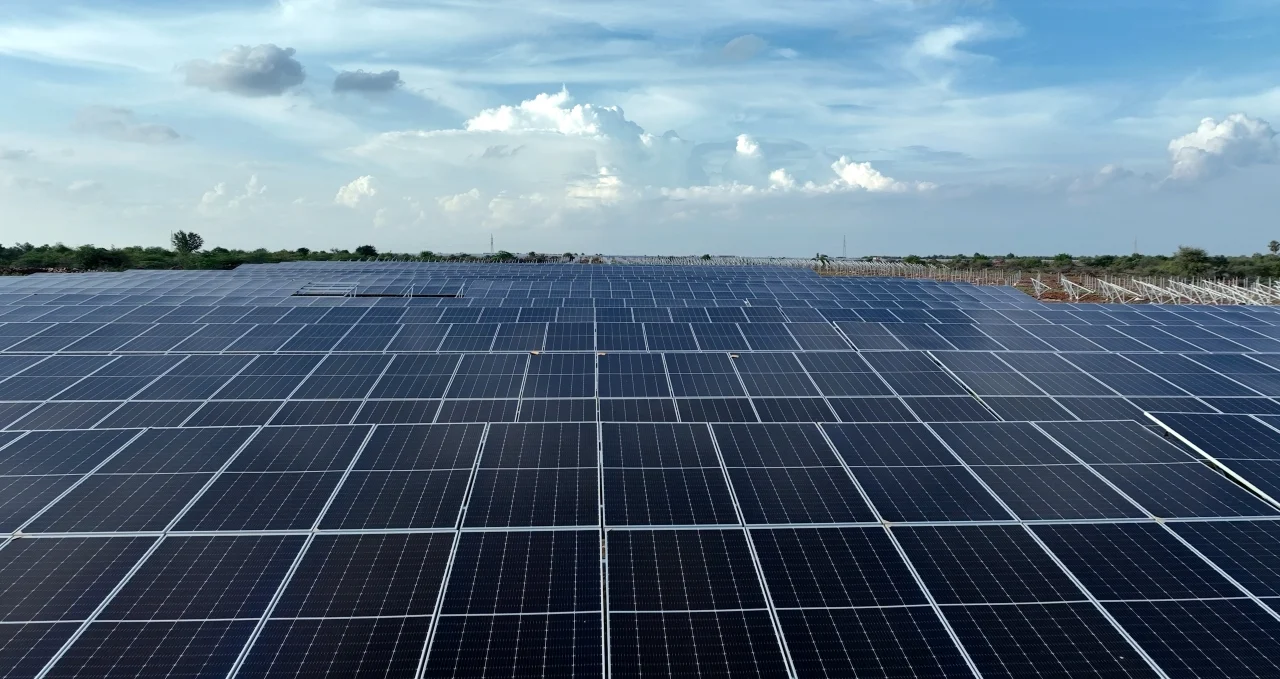
Chennai Port Authority Solar Project Opens RESCO Model Opportunities
The 2MWp grid-connected rooftop solar system project by the Chennai Port Authority (MEE/13/2026/Dy.CME(ES)) is being executed via the RESCO (Renewable Energy Service Company) model. As this model requires the contractor to handle investment, installation, and operation, it offers long-term operating contract opportunities for solar solution providers in the Chennai region.
Tender and Project Information
1. Chennai Port Authority Rooftop Solar System Project
- Project Name: 2MWp Grid-Connected Rooftop Solar PV System
- Location: Chennai Port Authority EXIM Warehouse Building
- Tender Number: MEE/13/2026/Dy.CME(ES)
- Business Model: RESCO Model (Developer manages investment, installation, and operations)
- Key Requirements: Experience in solar system design/construction and long-term operational capabilities.
2. General Tender Notice for Chennai Contractors
- Issuing Authority: Greater Chennai Corporation (GCC)
- Submission Deadline: June 5, 2026
- Reference Number: TOT Ref. No. 142066397
- Details: Tenders for various construction and service projects under the Chennai municipal jurisdiction.
Macro Context
1. Large-scale Expansion of India’s Solar Capacity
In Q1 2026, India saw 14.2GW of new solar capacity installed, marking a 95% increase over the previous quarter. This growth stems from government financial support and increased demand surrounding the ALMM implementation. This trend is expected to continue, reinforcing Tamil Nadu and Chennai as major hubs for the Indian solar industry.
2. Strengthening Domestic Production via Government Policy
The MNRE’s ALMM mandate has directly triggered production expansion among domestic manufacturers, resulting in 5GW of new capacity added in Q1 2026. This policy trajectory fosters a high-investment environment for the first half of 2026 and aims to reduce import reliance and stabilize the domestic supply chain in the medium term.
3. Increasing Energy Demand and Supply Issues in Chennai
Major cities, including Chennai, have experienced intermittent power shortages due to peak summer demand (e.g., local power outages reported on May 31, 2026). These instabilities are accelerating the adoption of distributed solar and energy storage solutions by the government and private sector, further driving self-generation investments by critical infrastructure like the Chennai Port Authority.
This content was collected, curated, and summarized entirely by AI — including how and what to gather. It may contain inaccuracies. Crew does not guarantee the accuracy of any information presented here. Always verify facts on your own before acting on them. Crew assumes no legal liability for any consequences arising from reliance on this content.
Powered by
