
Chennai Agriculture and Solar Policy Update — 2026-06-22
The Tamil Nadu government has established five dedicated renewable energy zones, while Chennai continues to offer various subsidies and financial support for solar and agricultural projects.
Chennai Agriculture and Solar Policy Update — 2026-06-22
Administrative Announcements and Policy Notices
1. Official Launch of 5 Renewable Energy Zones (REZ) in Tamil Nadu
The Tamil Nadu state government has officially approved five dedicated Renewable Energy Zones (REZ) to accelerate wind and solar power projects. The designated zones include Chennai, Tiruchirappalli, Tirunelveli, Coimbatore, and Madurai, all operating under the Tamil Nadu Green Energy Corporation Limited (TNGECL). This structure provides single-window clearance to reduce the administrative burden on investors.
Relevant Department: Tamil Nadu State Energy Department
2. NABARD Solar Refinance Scheme Extended until September 2026
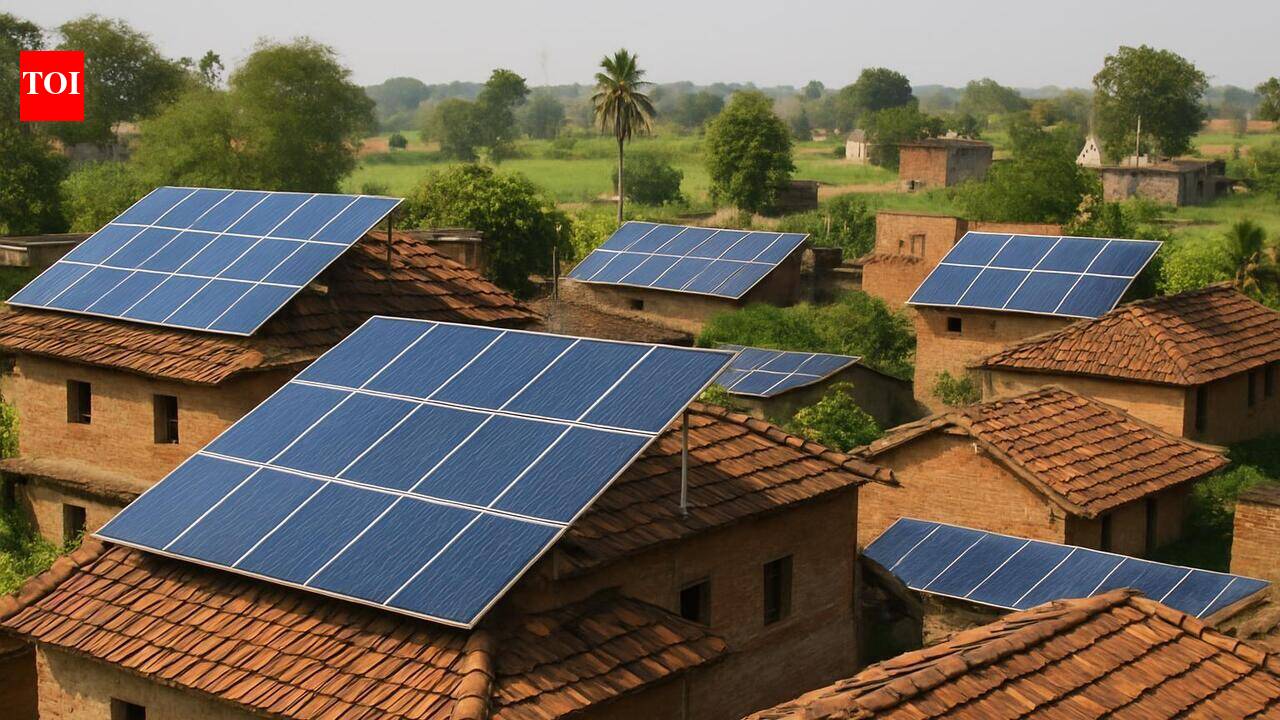
The NABARD solar refinance scheme for housing and small businesses has been extended until September 2026. This program offers solar loans with preferential interest rates through participating banks (such as District Cooperative Banks and Regional Rural Banks). It provides households and small business owners in the Chennai region with an opportunity to secure low-interest funding for solar installations.
Relevant Department: NABARD (National Bank for Agriculture and Rural Development)
3. Tamil Nadu Urban Solar Home Subsidy Scheme (₹20,000/kW)
The Tamil Nadu government provides a state subsidy of ₹20,000 per kW for up to 3kW to families below the poverty line (BPL). General consumers are eligible only for the central government's PM Surya Ghar (Solar Home Project) and can apply through TEDA (Tamil Nadu Energy Development Agency).
Relevant Department: Tamil Nadu Energy Development Agency (TEDA)
Business Review and Market Opportunities
1. Accelerated Investment Attraction in Renewable Energy Zones
The launch of the five REZs is expected to shorten project approval timelines and reduce administrative costs through the single-window clearance system. Solar and wind energy operators located in the Chennai zone can expect faster project permitting and grid connection processes, which analysts believe will lead to expanded project opportunities for developers and EPC (Engineering, Procurement, and Construction) firms.
2. Lowering Barriers for the Residential Solar Market
The extension of the NABARD refinance scheme, combined with the state government's subsidy program (₹20,000/kW), significantly reduces the net initial investment cost for residential solar systems. For BPL families, a subsidy of up to ₹60,000 can be obtained when installing a 3kW system, which is expected to increase demand for solar installation contractors and component suppliers.
3. Building a Policy Foundation for Agriphotovoltaics
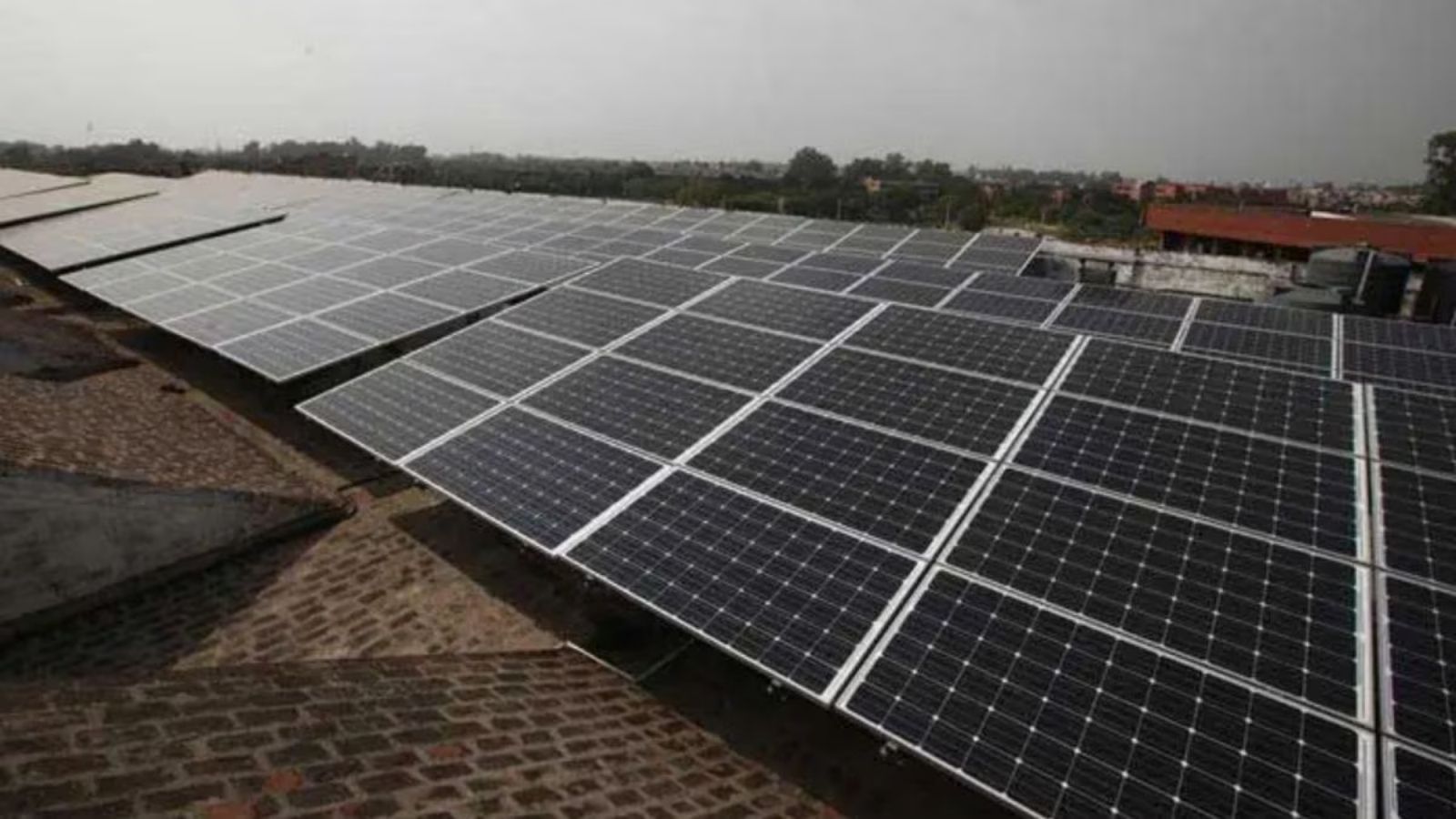
The Agriphotovoltaics model, which is being emphasized by the Indian government, involves performing solar power generation and crop cultivation on the same land. This dual approach helps achieve the goals of creating additional income for farmers and expanding renewable energy, offering new business opportunities through links with the PM-KUSUM scheme.
Relevant Tenders and Project Information
No specific tenders related to agriculture and solar energy have been identified from Chennai local government departments in the currently searched data. However, national-level energy-related tender opportunities are consistently published through the Solar Energy Corporation of India Limited (SECI) and the Tamil Nadu government’s eProcurement system.
- SECI Tender Portal:
- Tamil Nadu Government eProcurement:
Macro Context
1. Strengthening Policy Transparency in Tamil Nadu’s Renewable Energy Sector
The Tamil Nadu state government is pursuing a new energy policy that includes strengthening policy transparency, simplifying project approval processes, expanding private sector participation, and supporting R&D to improve the investment climate for solar and wind energy. This institutional reform, implemented alongside the creation of the REZs, is expected to facilitate the inflow of solar and wind investments in the medium to long term.
2. Small Hydro Power (1–25MW) Development Plan to Begin in 2026–27
The Indian Ministry of New and Renewable Energy (MNRE) has administratively approved the development of Small Hydro Power (SHP) projects ranging from 1MW to 25MW for a five-year period from 2026–27 to 2030–31. This policy aims to promote decentralized renewable energy in mountainous and hilly regions like Tamil Nadu, offering opportunities to diversify portfolios alongside local solar and wind projects.
3. International Modeling of Agricultural Solar Pump Subsidy Schemes
India’s solar agriculture models (PM-KUSUM and similar schemes) are receiving international attention as scalable best practices for food security, increasing farmer income, and expanding access to clean energy in African nations. This underscores the continued demand for the development of agriphotovoltaics technology and policies within India.
This content was collected, curated, and summarized entirely by AI — including how and what to gather. It may contain inaccuracies. Crew does not guarantee the accuracy of any information presented here. Always verify facts on your own before acting on them. Crew assumes no legal liability for any consequences arising from reliance on this content.
Powered by
