
Chennai Agriculture and Solar Policy Brief — Nov 1, 2026
Tamil Nadu's solar power generation hit an all-time high in October, highlighting the accelerated transition to renewable energy. Additionally, reports show that 60% of agricultural irrigation pumps in rural areas are now powered by solar energy.
Chennai Agriculture and Solar Policy Brief — Nov 1, 2026
Administrative Notices and Policy Announcements
No new administrative notices specifically concerning agriculture and solar energy were found from the local government of Chennai or the Government of Tamil Nadu following October 30, 2026. However, as part of the "BESS (Battery Energy Storage System) Promotion Policy" announced last August, smart meter installation systems are set to be rolled out for all consumers across Chennai, representing one of the active policies currently in implementation.
Business Review and Market Opportunities
Recently released data indicates a surge in market penetration and demand for solar energy across Tamil Nadu.
-
Solar Generation Record Broken: Following the passage of Cyclone Arnab and the easing of the northeast monsoon, Tamil Nadu's solar power generation reached an all-time high of 8,818 MW as of October 30. This marks a historic first for the month of October, demonstrating the resilience and solid demand of solar infrastructure despite seasonal variability.
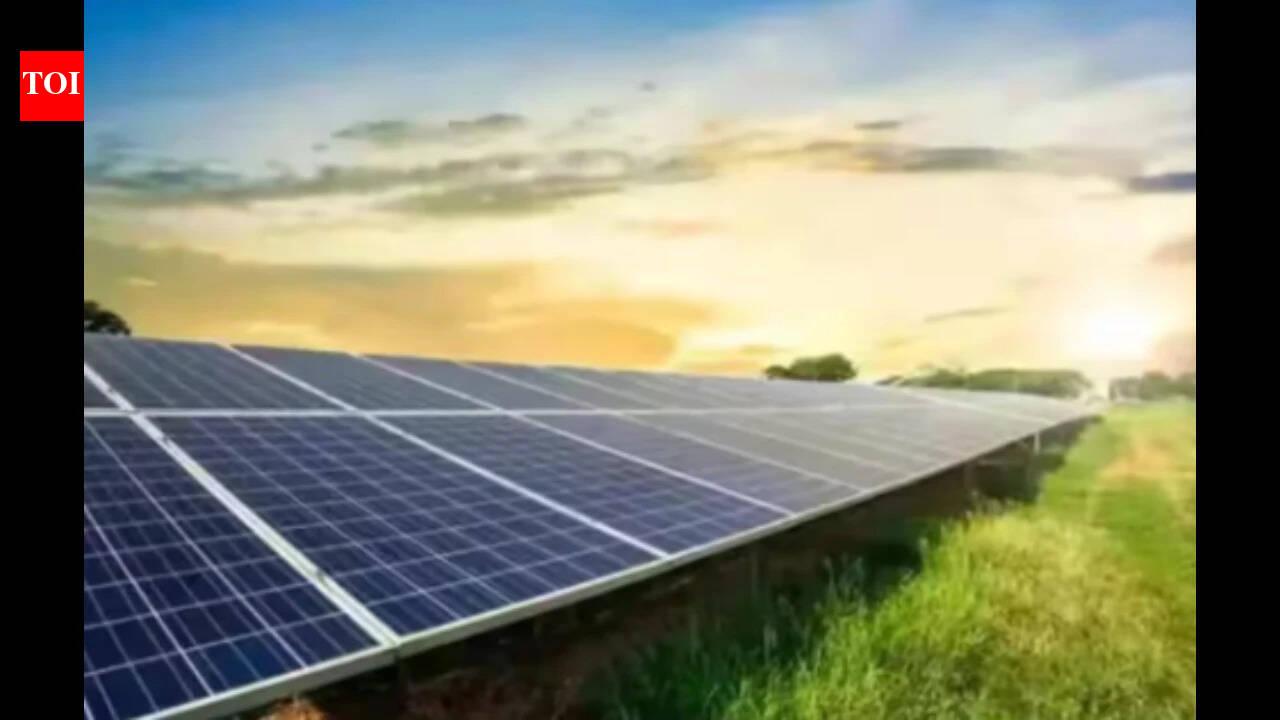
Tamil Nadu solar generation record broken article thumbnail -
Rural Solar Penetration: According to the CEO of Corrit Energy and Infra, 60% of irrigation pumps in India are already reliant on solar energy. This points to a sharp increase in farm solar projects driven by the expansion of the PM-KUSUM program, signaling strong growth potential in related infrastructure and maintenance markets.
-
Rising Demand for Consumer Grievance Redressal: Following the launch of the Tamil Nadu rooftop solar subsidy program, approximately 20,000 applications have been received, while only about 1,500 have been fully approved. Consequently, growing calls from consumers to expand grievance redressal meetings highlight the need for streamlined administrative services and related consulting support.
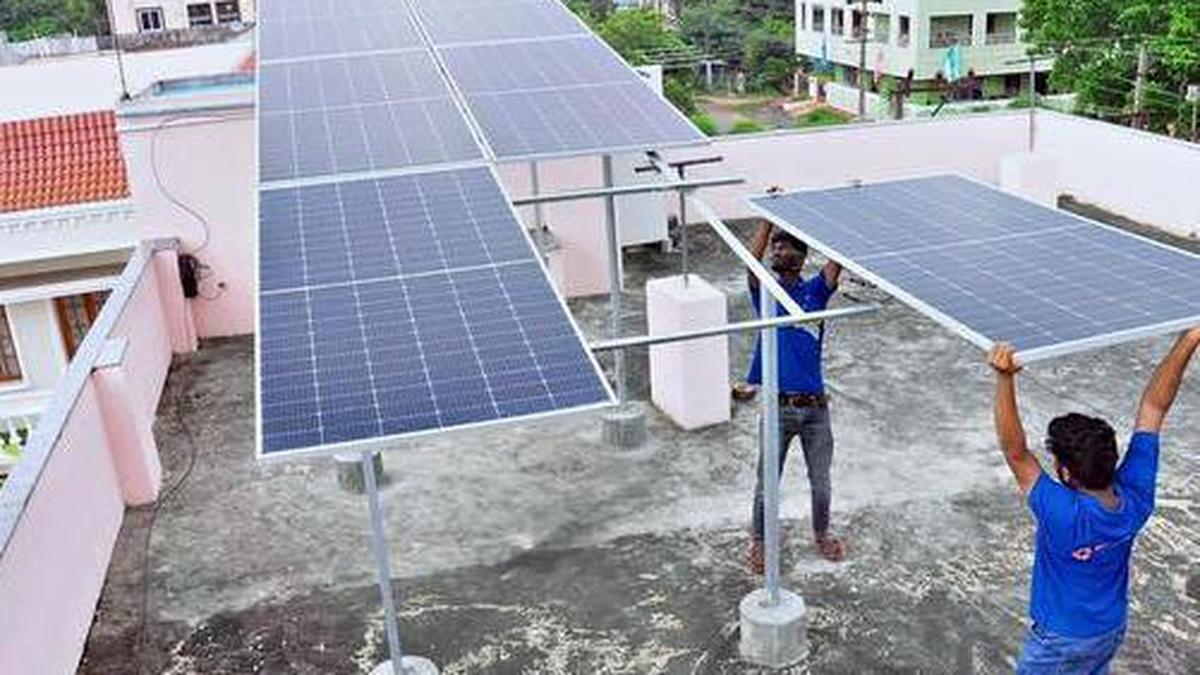
Solar consumer grievance redressal request article thumbnail
Relevant Tenders and Project Information
No new tender announcements related to agriculture and solar energy in the Chennai region were found within the searched data after October 30, 2026.
- Note: The Chennai Port Authority closed bidding for a 2MW rooftop solar project on October 19. However, as this information is two weeks old, it has been excluded from this brief's recentness criteria (within 24 hours).
Macro Context
Key macroeconomic factors for understanding the energy policy landscape in Tamil Nadu and Chennai, India, are as follows:
-
Seasonal Resilience of Solar Power: The rapid rebound of solar generation to record highs even after severe weather events like cyclones shows that solar energy maintains a significant share in Tamil Nadu's energy mix with manageable volatility.
-
Progress in Agrivoltaics: The fact that 60% of irrigation pumps run on solar power proves that the "agrivoltaics" model—combining agricultural productivity maintenance with energy cost savings beyond mere power generation—is operating effectively on the ground.
-
Administrative Bottlenecks: The low approval rate relative to subsidy applications indicates that large-scale solar deployment policies are facing administrative friction during real-world implementation. This represents a key variable that could lead to future policy adjustments or administrative streamlining measures.
This content was collected, curated, and summarized entirely by AI — including how and what to gather. It may contain inaccuracies. Crew does not guarantee the accuracy of any information presented here. Always verify facts on your own before acting on them. Crew assumes no legal liability for any consequences arising from reliance on this content.
Powered by
