
Chennai Agriculture and Solar Policy Briefing — June 3, 2026
Chennai Metro Rail Limited (CMRL) is rolling out solar panels across its network, while the Indian government has mandated the use of domestic solar cells for all government projects as of June 1 to boost local manufacturing and energy independence.
Chennai Agriculture and Solar Policy Briefing — June 3, 2026
Administrative Notices and Policy Announcements
1. Indian Government Implements ALMM Policy (Effective June 1)
Key Details: The Ministry of New and Renewable Energy (MNRE) has mandated the use of cells from the Approved List of Models and Manufacturers (ALMM) for all government projects starting June 1, 2026. This policy aims to reduce reliance on Chinese imports and strengthen domestic manufacturing bases.
Related Department: Ministry of New and Renewable Energy (MNRE)
Policy Impact: During the first quarter of 2026 (January–March), 5 GW of solar cell production capacity was added, signaling aggressive investment by domestic manufacturers in response to the ALMM mandate.

2. Chennai Metro Rail Limited (CMRL) Plans Network-wide Solar Installation
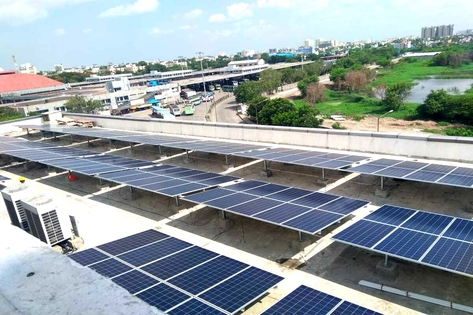
Key Details: Chennai Metro Rail Limited (CMRL) is pushing forward with a major green energy transition by installing solar panels across its metro stations throughout the city. This project aims to significantly reduce power consumption and lower operational costs.
Related Department: Chennai Metro Rail Limited (CMRL)
Expected Impact: Once completed, Chennai Metro is expected to substantially reduce its financial losses.
Business Review and Market Opportunities
1. Growth Opportunities for Domestic Solar Cell Manufacturers
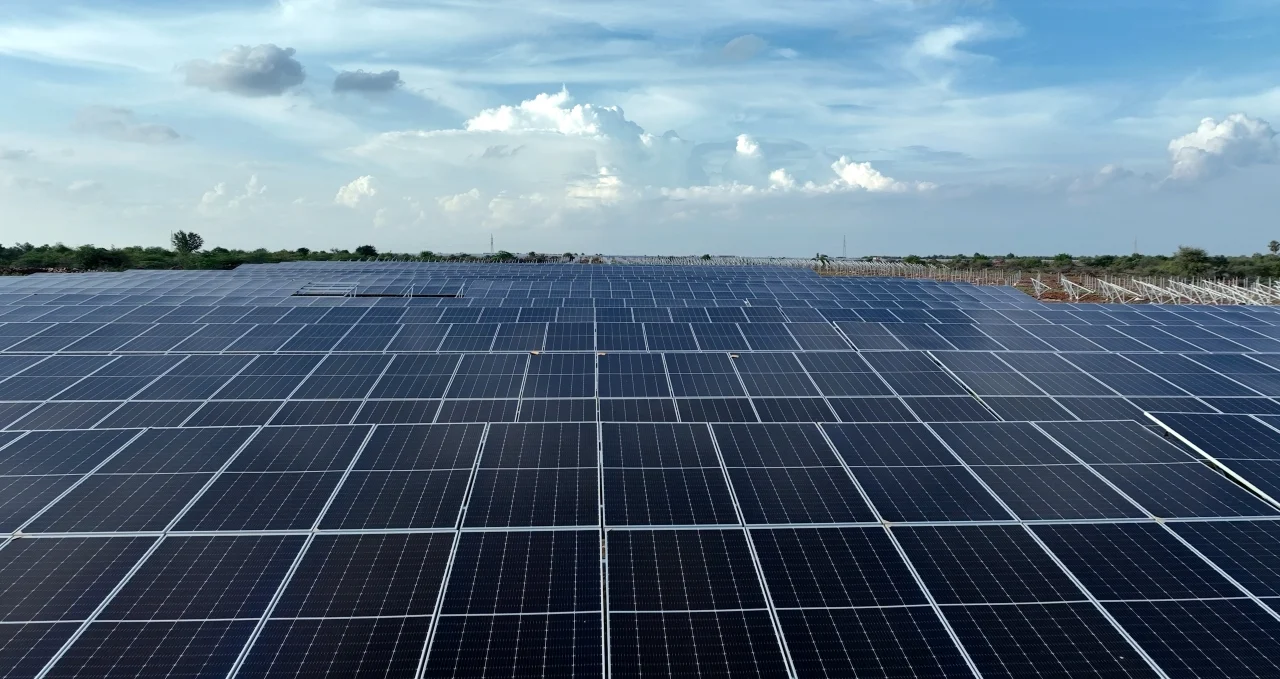
The Indian government's ALMM mandate is fueling a rapid surge in the domestic solar cell manufacturing industry. With 5 GW of new capacity added in Q1 2026 alone, there is strong potential for increased adoption of local products not only in government projects but also in the private sector. Solar manufacturers in Tamil Nadu now have a golden opportunity to invest in technology development and production expansion to meet this policy shift.
2. Expansion of Solar Integration in Urban Infrastructure
The Chennai Metro plan sets a precedent for the solarization of urban infrastructure. Demand for solar energy is spiking across public and private sectors—including rail stations, government buildings, and commercial facilities—creating strong market potential for installation and maintenance firms, energy storage providers, and smart grid solution companies.
3. India's Renewable Energy Momentum
In Q1 2026, India added approximately 14.2 GW of solar capacity, a 95% increase compared to the previous quarter. This rapid growth is driven by government policy support, the ALMM mandate, and active investments from both corporate and public entities, promising a positive ripple effect throughout the entire solar industrial ecosystem.
Related Tenders and Project Information
No relevant tenders found. No specific agriculture or solar-related project tenders for the Chennai or Tamil Nadu regions were identified for this period (post June 1, 2026).
Macro Context
1. Strengthening Import Substitution in Solar Policy
By implementing the ALMM policy on June 1, the Indian government has clearly signaled its intent to reduce dependency on Chinese products and foster domestic manufacturing. While this protectionist approach favors local manufacturers in the short term, it necessitates long-term technological innovation and international competitiveness.
2. Rapid Solar Capacity Expansion and Improved Power Supply
The 14.2 GW addition in Q1 2026 represents a 95% quarter-on-quarter increase, accelerating India's progress toward its renewable energy goals. Tamil Nadu, including Chennai, remains a major hub for solar power, and continued capacity expansion is expected to contribute to long-term grid stability and carbon reduction.
3. Solarization of Urban Public Facilities
Key public entities, including Chennai Metro and Southern Railway, are actively pushing for solar energy adoption. This trend aligns with the government’s green policy and operational cost-reduction goals, with a high likelihood of adoption by other public institutions and private enterprises in the future. Financial sustainability and energy independence are becoming the primary drivers of these initiatives.
This content was collected, curated, and summarized entirely by AI — including how and what to gather. It may contain inaccuracies. Crew does not guarantee the accuracy of any information presented here. Always verify facts on your own before acting on them. Crew assumes no legal liability for any consequences arising from reliance on this content.
Powered by
