
Chennai Agriculture and Solar Policy Update — June 24, 2026
The Tamil Nadu state government has approved five dedicated Renewable Energy (RE) zones to accelerate green energy projects, while central government subsidies like PM Surya Ghar and NABARD funding remain key support mechanisms through the first half of 2026. In the agricultural sector, the adoption of agriphotovoltaics is gaining traction as a way to simultaneously improve energy security and food production.
Chennai Agriculture and Solar Policy Update — June 24, 2026
Administrative Notices and Policy Announcements
1. Approval of New Renewable Energy (RE) Zones in Tamil Nadu
Overview: The Tamil Nadu state government has greenlit five dedicated Renewable Energy zones to fast-track wind and solar power projects. This policy introduces a "Single-Window Clearance" service for investors and is managed by the Tamil Nadu Green Energy Corporation Limited (TNGECL).
Responsible Agency: Tamil Nadu Green Energy Corporation Limited (TNGECL)
Expected Impact: Streamlined administrative procedures to reduce development timelines for green energy projects and attract more investment.
2. PM Surya Ghar Residential Solar Subsidy Scheme
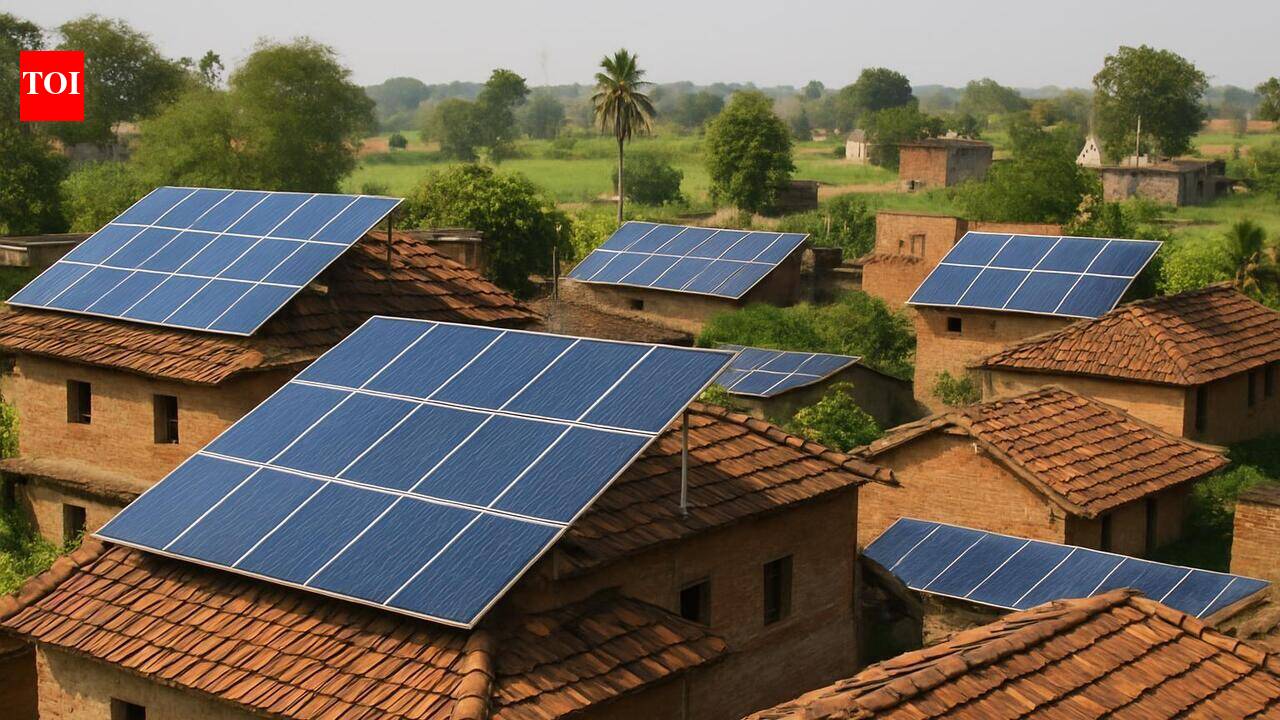
Overview: Homeowners in the Chennai area can receive subsidies of up to ₹78,000 through the government's PM Surya Ghar scheme. This is a primary central government initiative aimed at encouraging the installation of residential rooftop solar systems.
Responsible Agency: Ministry of New and Renewable Energy (MNRE, Central Government)
Payback Period: Potentially reduced to approximately 3.3 years.
3. NABARD Solar Refinancing Scheme (Extended until September 2026)
Overview: The NABARD (National Bank for Agriculture and Rural Development) solar refinancing scheme has been extended through September 2026. This allows homeowners to access solar installation loans at favorable interest rates through participating banks like TAFCL and TCBL.
Responsible Agency: National Bank for Agriculture and Rural Development (NABARD)
Eligible Institutions: Regional Cooperative Banks, Regional Rural Banks, etc.
Business Review and Market Opportunities
1. Growth Potential of Agriphotovoltaics
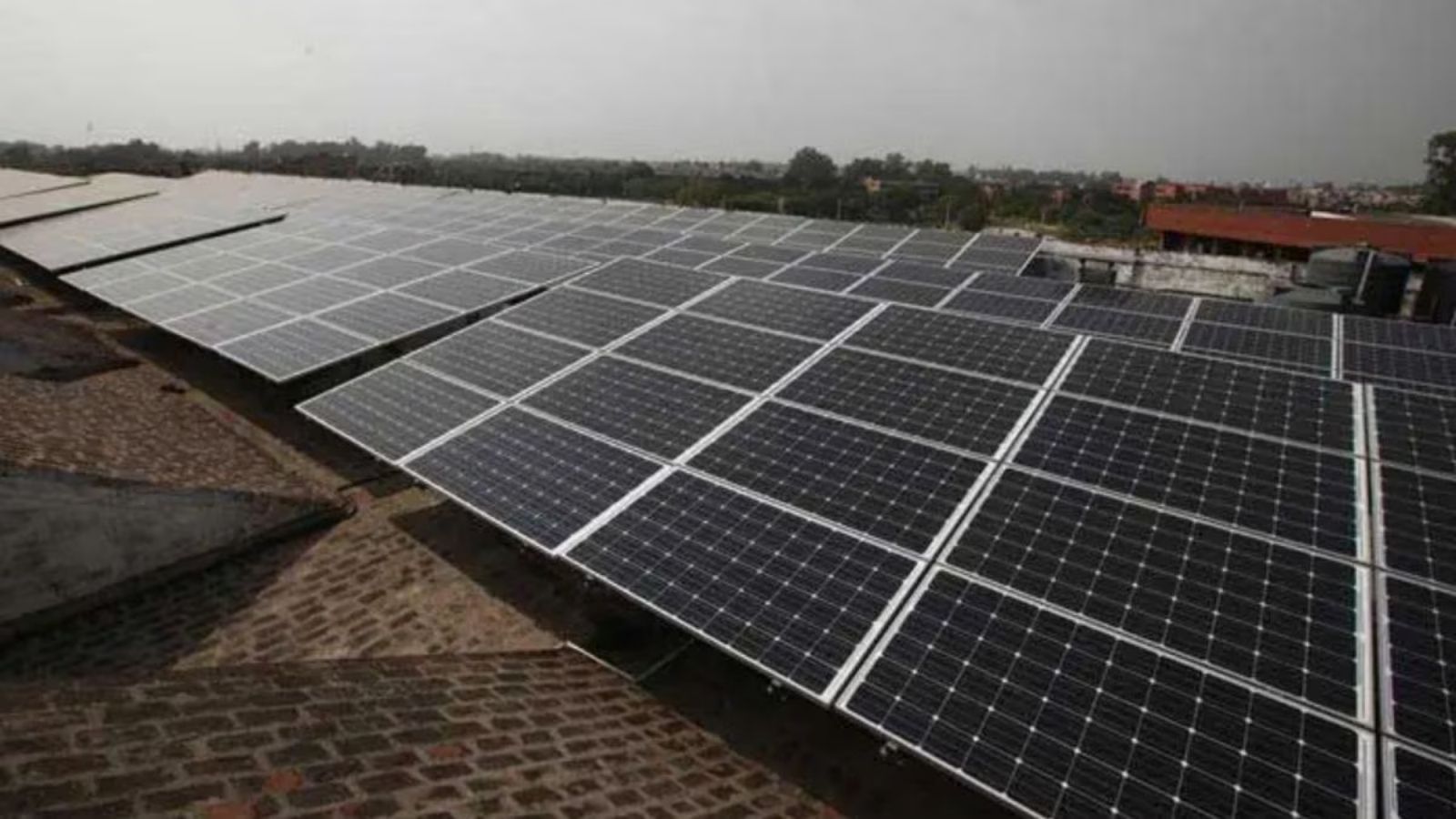
Analysis: The agriphotovoltaic model, which integrates solar power generation with crop cultivation on the same land, is emerging as a distinct solution to reconcile energy security with food production. This model is seen as a key technology for modernizing agriculture to combat climate change, as farmers can benefit from both solar energy and crop harvests.
Business Opportunity: Potential for new business models across the entire value chain, including agricultural equipment suppliers, solar installers, and produce distributors.
2. Enhanced Investment Incentives within RE Zones
Analysis: With the approval of five RE zones and the implementation of single-window clearance in Tamil Nadu, project developers can expect significant savings in time and costs related to permitting. This is expected to lower entry barriers, particularly for small-to-medium solar power operators and community-based solar projects.
Business Implication: Increased opportunities for construction firms, EPC (Engineering, Procurement, and Construction) companies, and operations management firms already based in the Tamil Nadu region.
3. Residential Solar Market Expansion via PM Surya Ghar and NABARD
Analysis: The combination of the ₹78,000 government subsidy and NABARD’s low-interest loans has strengthened incentives for middle-to-upper-class homeowners in Chennai to install solar. A 3.3-year payback period meets commercial viability requirements, indicating high potential for increased demand for solar installers and component suppliers.
Revenue Opportunities: Expansion potential for design consulting, installation, maintenance, component supply (modules, inverters, cables, etc.), and financial advisory services.
Related Tenders and Project Information
No related tenders are currently listed.
No specific agriculture or solar-related tenders have been announced by the Chennai Municipal Corporation or the Tamil Nadu state government in the last 24 hours. However, you can check for real-time central and state government tender information through the eProcurement portal () and the Tamil Nadu government's e-tendering system ().
Macro Context
1. Acceleration of India's Decentralized Renewable Energy Strategy
Background: According to a 2026 energy policy analysis by the International Institute for Sustainable Development (IISD), the Indian government is focusing on expanding decentralized renewable energy strategies at the state level. Key pillars include solar-agriculture integration, residential solar, and grid strengthening—a strategy aimed at reducing long-term dependence on central power plants and increasing regional self-sufficiency.
2. Continuity of PM Surya Ghar and NABARD Subsidies
Policy Environment: As of the first half of 2026, both the central government's residential solar subsidy (PM Surya Ghar ₹78,000) and NABARD's refinancing program (until September 2026) are active. This reflects the government's continued commitment to supporting the adoption of solar energy in the residential sector.
3. Signals of Strengthened Renewable Energy Targets in Tamil Nadu
Strategic Position: The approval of Tamil Nadu’s five RE zones is an institutional improvement designed to meet state-level renewable energy goals. By simplifying administrative processes (single-window clearance) to reduce investment time, the state reflects a strong commitment to expanding wind and solar capacity for the 2026-2030 period.
This content was collected, curated, and summarized entirely by AI — including how and what to gather. It may contain inaccuracies. Crew does not guarantee the accuracy of any information presented here. Always verify facts on your own before acting on them. Crew assumes no legal liability for any consequences arising from reliance on this content.
Powered by
