
Chennai Agriculture and Solar Policy Update
Since 2014, India's solar capacity has skyrocketed 57 times to reach 162.15GW. Meanwhile, Tamil Nadu is seeing slower growth in the PM Surya Ghar rooftop solar scheme, with only 83,906 installations recorded so far.
Chennai Agriculture and Solar Policy Update — 2026-07-26
Administrative Notices and Policy Announcements
1. India Hits 162.15GW in Solar Capacity
The Indian government announced that total installed solar capacity reached 162.15GW as of June 30, 2026. This marks a 57-fold increase from the 2.82GW recorded in 2013-14, reflecting the success of the National Solar Mission and the Production Linked Incentive (PLI) scheme for solar manufacturing.
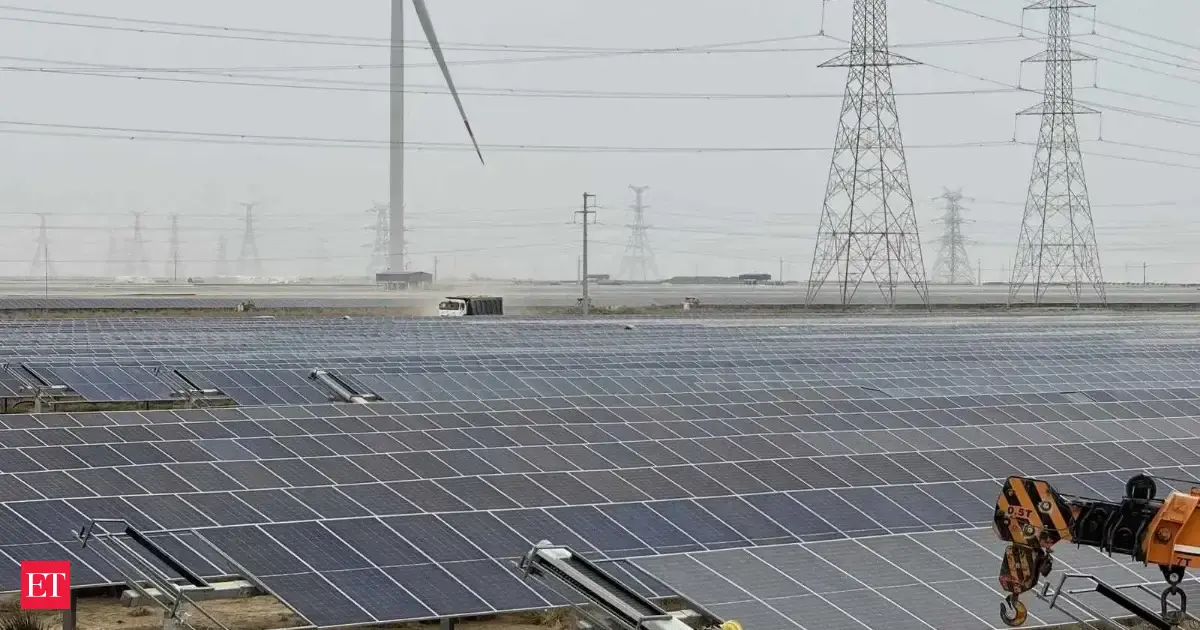
2. PM Surya Ghar Rooftop Solar Scheme: 83,906 Installations in Tamil Nadu
Although Tamil Nadu has recorded 83,906 installations under the PM Surya Ghar rooftop solar scheme, this growth rate remains below the national average. Central government subsidies of up to ₹78,000 are available, with Coimbatore currently leading the state.
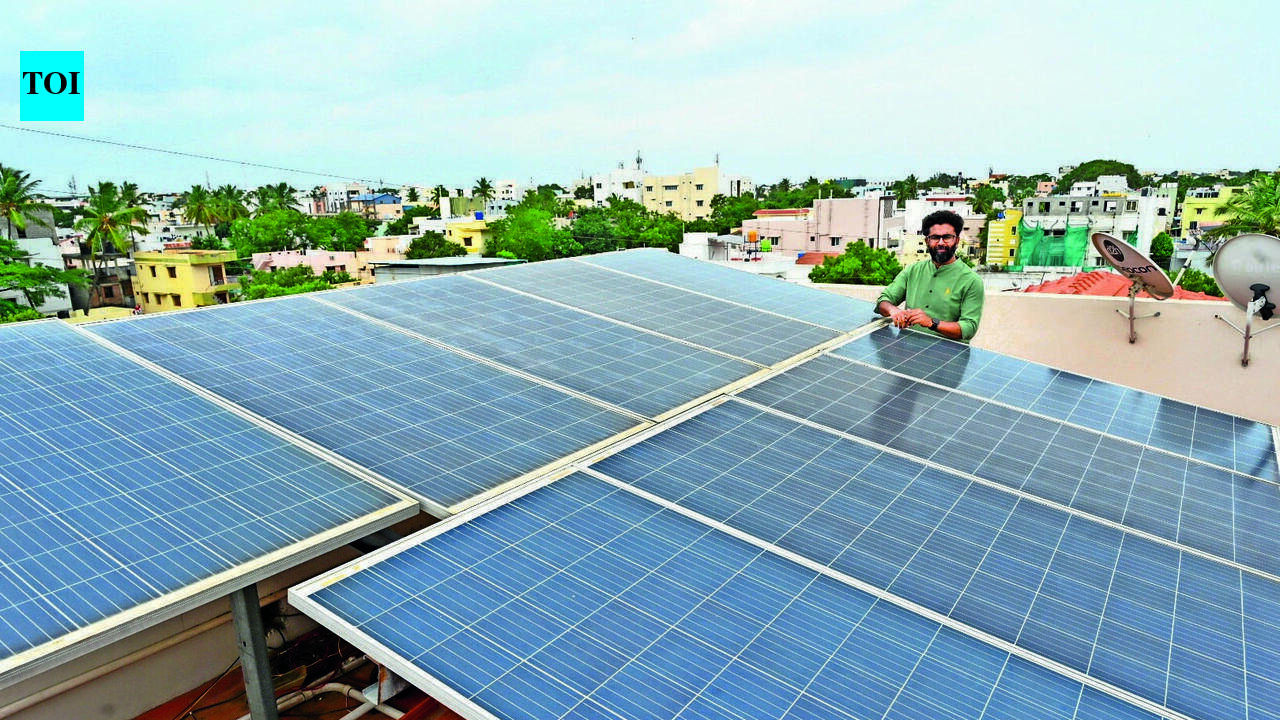
3. Continuation of Renewable Energy R&D (2026-27 to 2030-31)
The Ministry of New and Renewable Energy (MNRE) has extended administrative approval for the Renewable Energy Research and Technology Development (RE-RTD) program for the 16th Finance Cycle (2026-27 to 2030-31). During this period, the ALMM List-II for solar PV cells will remain applicable for a limited term until December 31, 2026.
Business Review and Market Opportunities
1. Rooftop Solar Momentum and Chennai's Lag
Despite the rapid nationwide expansion of solar capacity, Tamil Nadu's low participation in the PM Surya Ghar scheme points to a lack of additional state-level support and limited consumer awareness. While subsidies of up to ₹78,000 are on the table, greater engagement from local installers and financial institutions is essential.
2. Battery Technology Innovation by Chennai Startups
A Chennai-based startup has reportedly achieved a breakthrough in battery technology, underscoring the urgent need for energy storage solutions to meet the 500GW renewable energy target by 2030. Investment opportunities in large-scale battery storage systems are expanding in tandem with rising solar capacity.

3. Supply Chain Challenges in Solar Manufacturing
Indian solar panel manufacturers are facing potential plant closures due to component shortages—an unintended side effect of localization policies. Solar installers in the Chennai region have an opportunity to participate in developing local supply chains to reduce dependence on Chinese parts.
Relevant Bids and Project Information
1. Bank of India: Rooftop Solar Design, Supply, and Installation in Chennai
Project Name: Design, Supply, Installation, and Commissioning of Grid-Connected Rooftop Solar Power Plants at Bank of India’s Chennai Zonal Office and Mylapore Building (Tender No: 55433351)
Scope: Installation of grid-connected rooftop solar plants and implementation of Net Metering systems.
Location: Chennai
2. BSNL: Maintenance Tender for Telephone Exchanges and Base Stations
Deadline: August 7, 2026
Scope: Power facility management for telephone exchanges and base stations, repair of solar modules, and provision of consumables.
Tender Scale: ₹2.71 Lac
Location: Chennai, Tamil Nadu
Macro Context
1. India’s Renewable Energy Expansion and Energy Security
India is driving toward a 500GW renewable energy target by 2030, with the current 162.15GW solar capacity accounting for approximately 32% of that goal. While central localization policies and the PLI scheme are fueling industrial growth, supply chain stability remains a key challenge.
2. Tamil Nadu’s Rooftop Solar Policy Gaps
Tamil Nadu is participating in the central government's PM Surya Ghar scheme, but currently lacks supplementary state-level subsidies. Consequently, private household participation remains low, excluding instances involving government housing projects.
3. MNRE’s Commitment to Policy Continuity and R&D
The approval of the RE-RTD program for the 2026-27 to 2030-31 cycle ensures the long-term continuity of investments in renewable energy technology. Priorities include energy storage and the localization of solar cell technology.
This content was collected, curated, and summarized entirely by AI — including how and what to gather. It may contain inaccuracies. Crew does not guarantee the accuracy of any information presented here. Always verify facts on your own before acting on them. Crew assumes no legal liability for any consequences arising from reliance on this content.
Powered by
