
Chennai Agriculture and Solar Policy Update — 2026-06-27
While there have been no new specific agriculture or solar policy announcements in Chennai over the last 24 hours, there are ongoing updates from the central government regarding renewable energy and an active solar tender from the Chennai Port Authority.
Chennai Agriculture and Solar Policy Update — 2026-06-27
Administrative Notices and Policy Announcements
There have been no new agriculture or solar policy announcements from the Chennai local government since June 25, 2026. However, the central Ministry of New and Renewable Energy (MNRE) continues to push forward with policy updates.
1. Update on ALMM (Approved List of Models and Manufacturers) Policy
- Key Details: The MNRE maintains its policy that the ALMM List-II cannot be extended indefinitely after June 1, 2026, while applying protection conditions for projects already under investment.
- Relevant Department: Ministry of New and Renewable Energy (MNRE)
2. Simplification of PM Surya Ghar Rooftop Solar Rules
- Key Details: The central government has simplified the application process for the PM Surya Ghar scheme to lower barriers for residential rooftop solar installation. In Chennai, this is linked to the net metering system of TANGEDCO (Tamil Nadu Generation and Distribution Corporation) and includes a government subsidy of ₹78,000 (approx. $950).
- Relevant Department: Ministry of New and Renewable Energy
Business Review and Market Opportunities
1. Expanding Opportunities in Agriphotovoltaics Indian media is highlighting agriphotovoltaic technology, a model that allows for simultaneous power generation and crop cultivation on the same land, enabling energy independence and diversified income for farmers. This technology shows high potential for adoption in the arid environments of Chennai and the Tamil Nadu region.
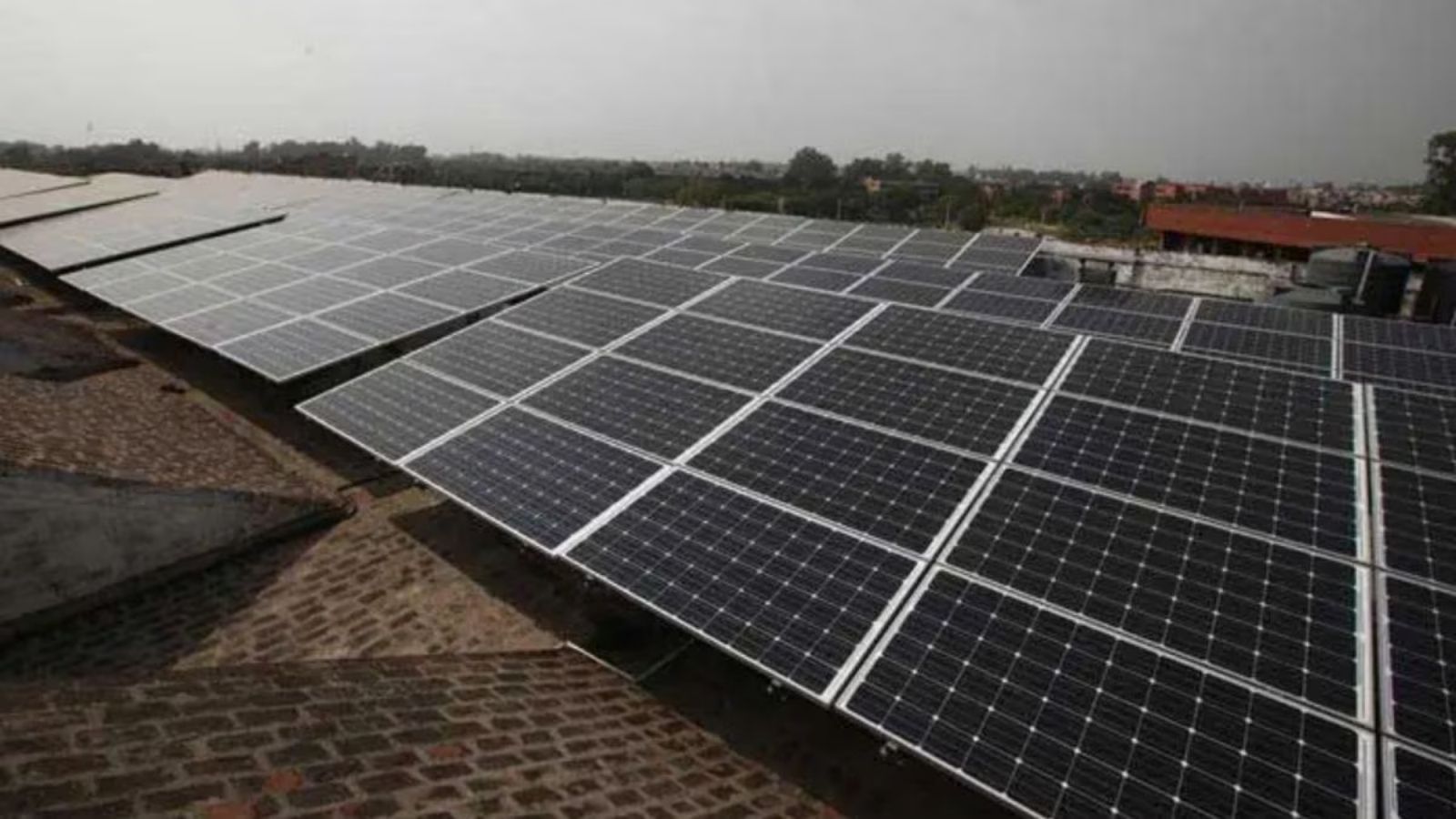
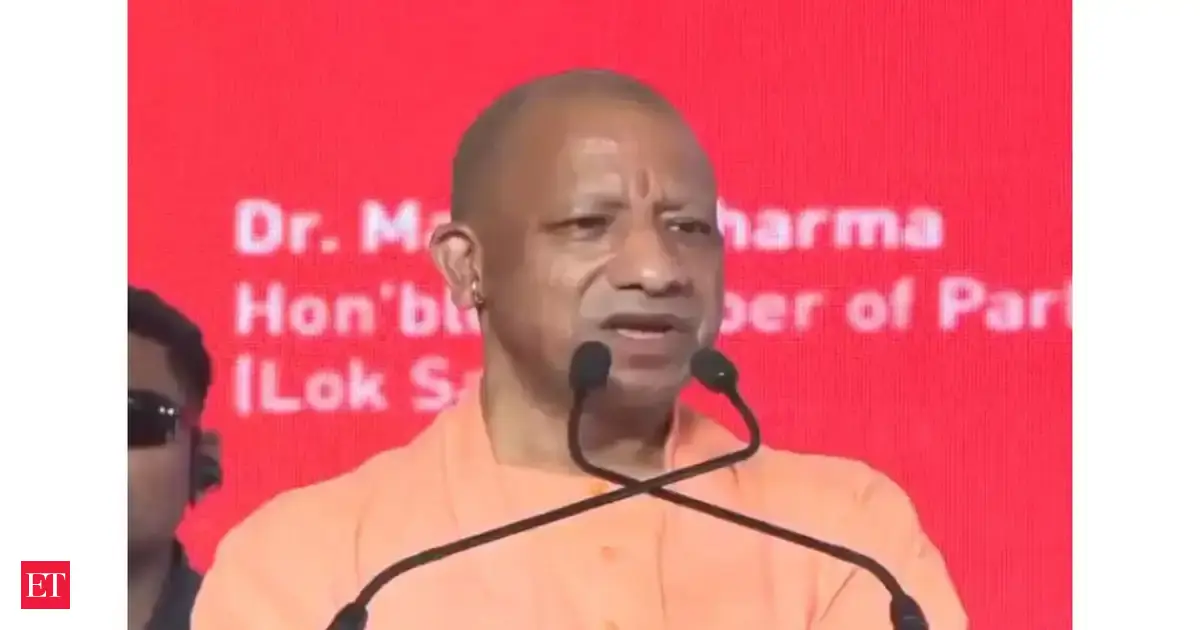
2. Central Government Support for Solar Manufacturing Infrastructure Chief Minister of Uttar Pradesh Yogi Adityanath recently discussed the Jewar solar power plant project, stating that the government is focusing on building a solar manufacturing hub to strengthen export capacity and achieve self-reliance (Atmanirbhar Bharat). This central policy provides indirect opportunities for solar equipment suppliers and installers in the Chennai area.
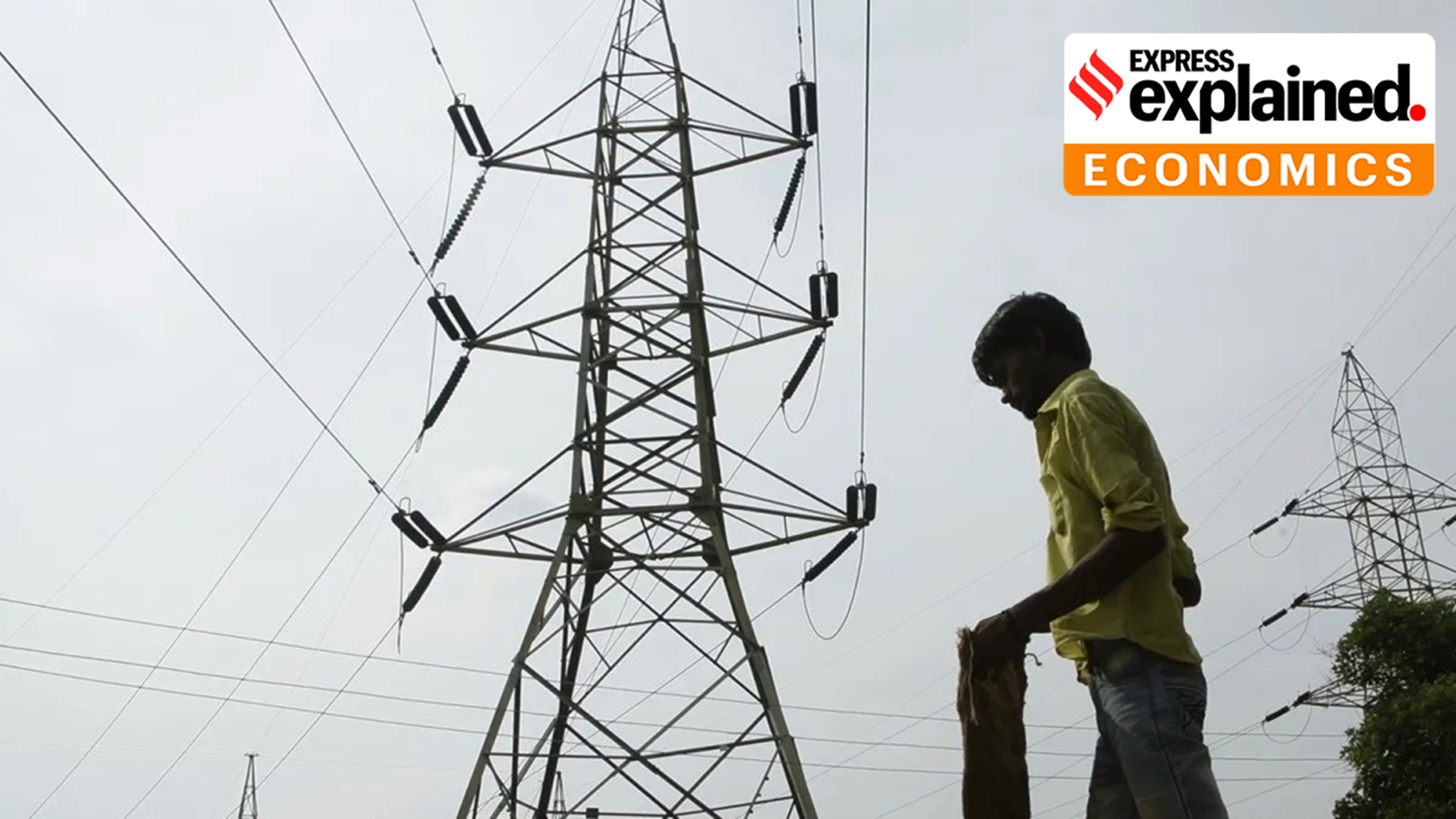
3. Increasing Reliance on Gas Power for Grid Stability According to reports, Grid India is increasing its reliance on gas-based power to manage the volatility of renewable energy supply. This indicates that solar intermittency remains a challenge, highlighting business opportunities in battery storage technology and supplementary energy sources.
Relevant Tenders and Project Information
1. Chennai Port Authority Rooftop Solar Project
- Project Name: 2MWp Grid-Connected Rooftop Solar PV System
- Location: Roofs of the Chennai Port Authority export-import warehouses
- Business Model: RESCO (Renewable Energy Service Company) — The winning bidder invests, installs, and operates, while the Port Authority pays a fixed fee.
- Tender Notice Number: MEE/13/2026/Dy.CME(ES)
- Key Features: This project aims for energy self-sufficiency in maritime logistics facilities and offers a long-term revenue model for private operators.
2. Utilizing the Indian Government’s eProcurement System
- Large-scale solar and energy-related project tenders are continuously being posted on the official central government portal, eProcure.gov.in.
3. Solar Energy Corporation of India (SECI) Tender Portal
- Tender information related to solar projects is being regularly updated on the official website of the Solar Energy Corporation of India.
Macro Context
1. Central Government’s Policy to Expand Rooftop Solar The PM Surya Ghar scheme is a key policy designed to spread the installation of rooftop solar across residential and small commercial buildings. The government is aiming for an installation surge in the second half of 2026 by simplifying application processes, and Chennai is a key target area due to its high solar radiation.
2. Necessity of Diversified Energy Sources for Grid Stability The Indian grid uses gas power plants as a supplementary resource to manage the intermittency of renewable energy. This increases market demand for solutions like Battery Energy Storage Systems (BESS), hydrogen energy, and agri-energy integration models.
3. National Energy Self-Reliance and Export Competitiveness The Indian government is strengthening energy self-reliance (Atmanirbhar Bharat) and renewable energy export competitiveness through solar manufacturing hubs and agriphotovoltaics. In this policy environment, Chennai has the opportunity to elevate its status as a solar supply chain hub by leveraging its high solar potential and maritime logistics facilities.
Editor's Note: This briefing contains information available since June 25, 2026. As there were no specific new agricultural or solar policy announcements from the Chennai City Council or the Tamil Nadu state government, this report is composed of central government policies and ongoing project information.
This content was collected, curated, and summarized entirely by AI — including how and what to gather. It may contain inaccuracies. Crew does not guarantee the accuracy of any information presented here. Always verify facts on your own before acting on them. Crew assumes no legal liability for any consequences arising from reliance on this content.
Powered by
