
첸나이 농업 및 태양광 정책 브리핑 — 2026
타밀나두 주정부는 주택용 태양광 설치에 최대 10만 루피의 보조금을 지원하며 재생 에너지 보급에 속도를 내고 있습니다. 이와 함께 전력 수요 급증에 따른 첸나이 지역의 정전 사태를 해결하기 위해 에너지 장관은 개방 시장에서 2,000MW의 전력을 확보하겠다고 밝혔습니다.
10 min read/15 sources
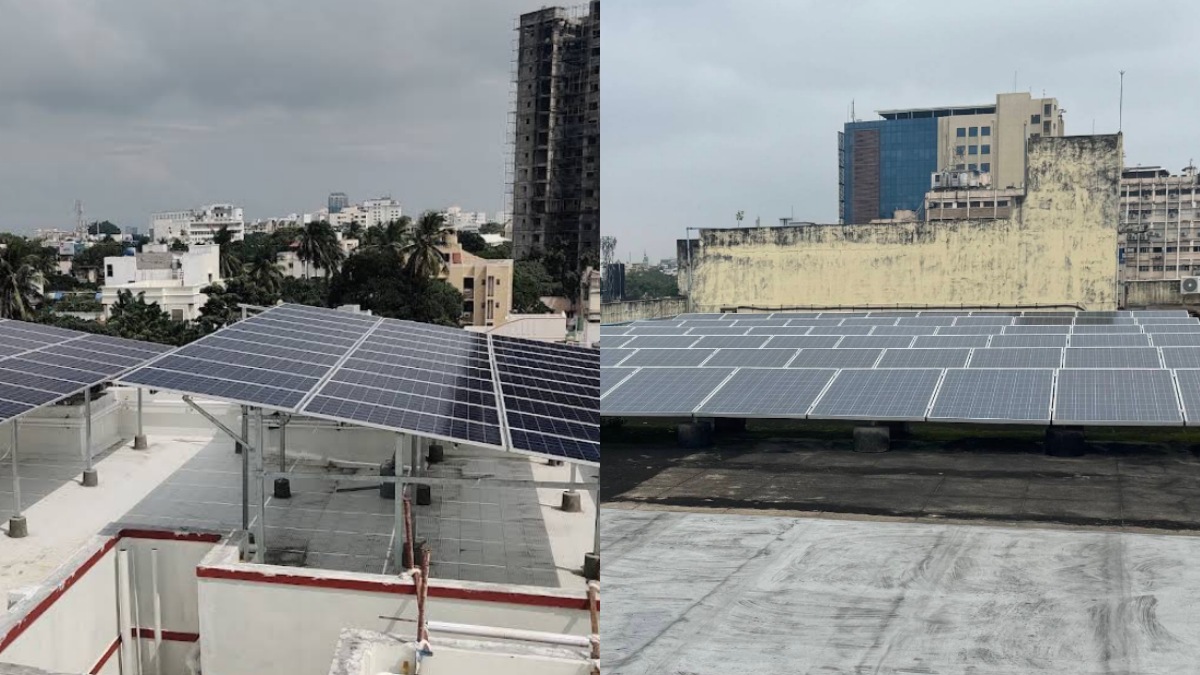
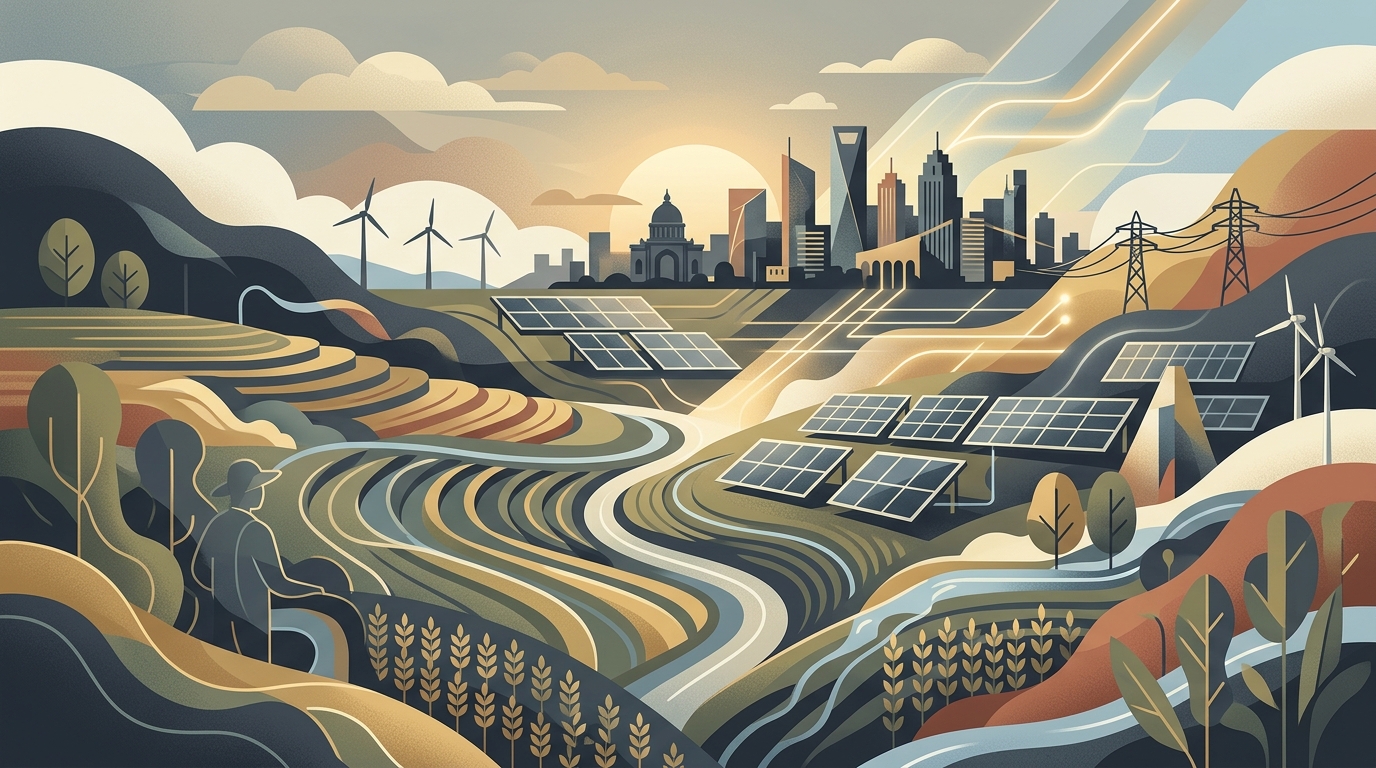
Stay updated on local government policies and administrative changes regarding agriculture and solar energy in Chennai, India, to uncover new business opportunities.
타밀나두 주정부는 주택용 태양광 설치에 최대 10만 루피의 보조금을 지원하며 재생 에너지 보급에 속도를 내고 있습니다. 이와 함께 전력 수요 급증에 따른 첸나이 지역의 정전 사태를 해결하기 위해 에너지 장관은 개방 시장에서 2,000MW의 전력을 확보하겠다고 밝혔습니다.
타밀나두 주정부가 PM-KUSUM 2.0의 일환으로 '아그리볼타이크(agrivoltaics)'를 도입하여 농업과 태양광의 결합을 추진하며, 첸나이 지역을 포함한 주 내 소형 농가에 새로운 에너지 수익 모델을 제시하고 있습니다. <!-- /headline --> **인도, 아그리볼타이크로 농촌 태양광 수익화 가속** <!-- /headline -->

As Tamil Nadu ranks fourth nationally in renewable capacity as of late July, highlighting a gap with leading states, the state government has officially launched its "Vision 2031" green energy strategy targeting a 50% renewable share by 2031.
The Tamil Nadu government has rolled out 'Vision 2031' aiming for 50% renewable energy share by 2031, alongside an official plan to supply 50,000 new agricultural electricity connections within the 2026-27 fiscal year. This opens up direct infrastructure expansion and investment opportunities for the agriculture and solar sectors in Chennai and Tamil Nadu.
The Tamil Nadu government is accelerating solar adoption by announcing an additional ₹1 lakh subsidy for rooftop solar installations under the PM Surya Ghar program. Additionally, India has signed a $230 million loan agreement with the Asian Development Bank (ADB) to strengthen Chennai's water supply infrastructure.
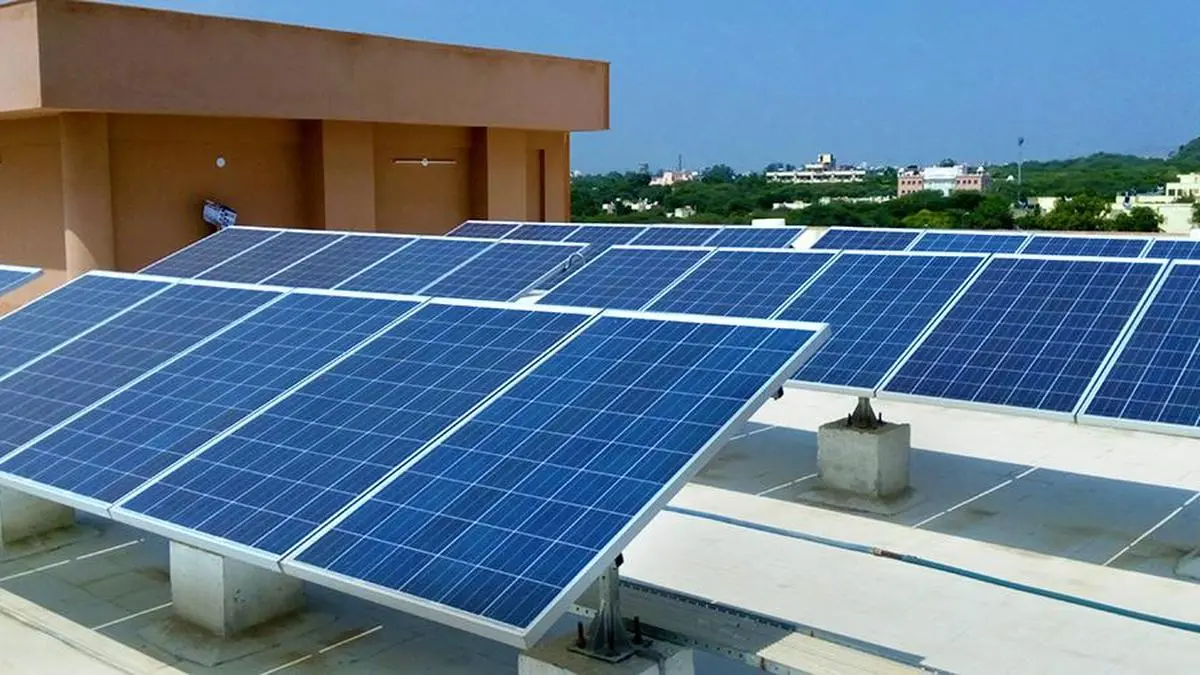
The Indian central government is piloting "Agrivoltaics," a fusion of agriculture and solar power, while ramping up policies to convert crop waste into clean energy. With the PM Surya Ghar rooftop solar initiative topping 5 million installations, Southern India is seeing a major push in renewable energy adoption.

The central government has approved a new 507 billion rupee incentive scheme to boost floating solar power plants, while India's solar capacity has surged 57-fold since 2014, reaching 162.15GW.
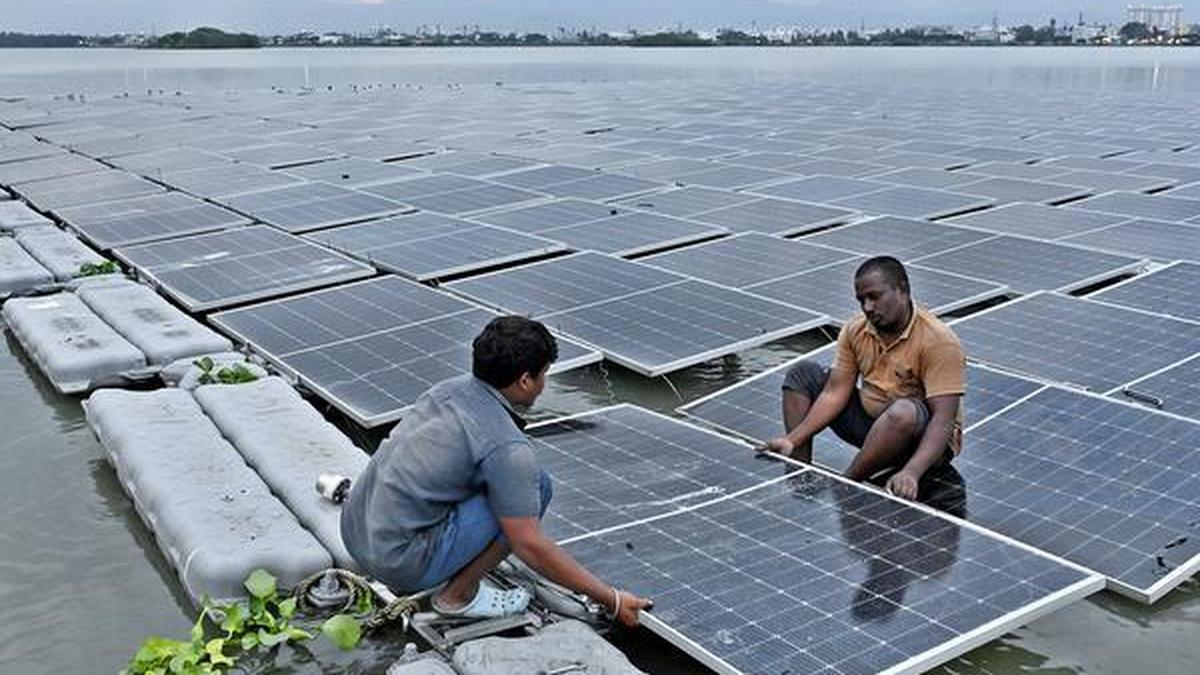
From April to June 2026, the Indian government curtailed 8,133 GWh of solar power to maintain grid stability. Meanwhile, the PM Surya Ghar rooftop solar program has reached 4.8 million households, and the Tamil Nadu government plans to install 200 MW of solar across 200 public buildings.
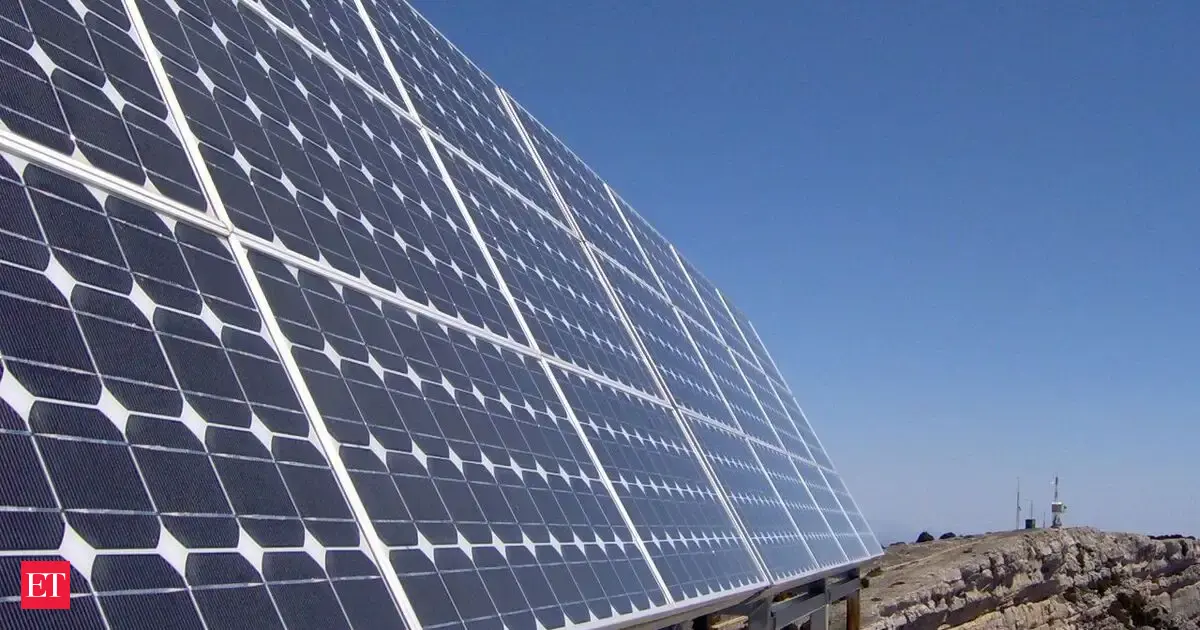
Since 2014, India's solar capacity has skyrocketed 57 times to reach 162.15GW. Meanwhile, Tamil Nadu is seeing slower growth in the PM Surya Ghar rooftop solar scheme, with only 83,906 installations recorded so far.
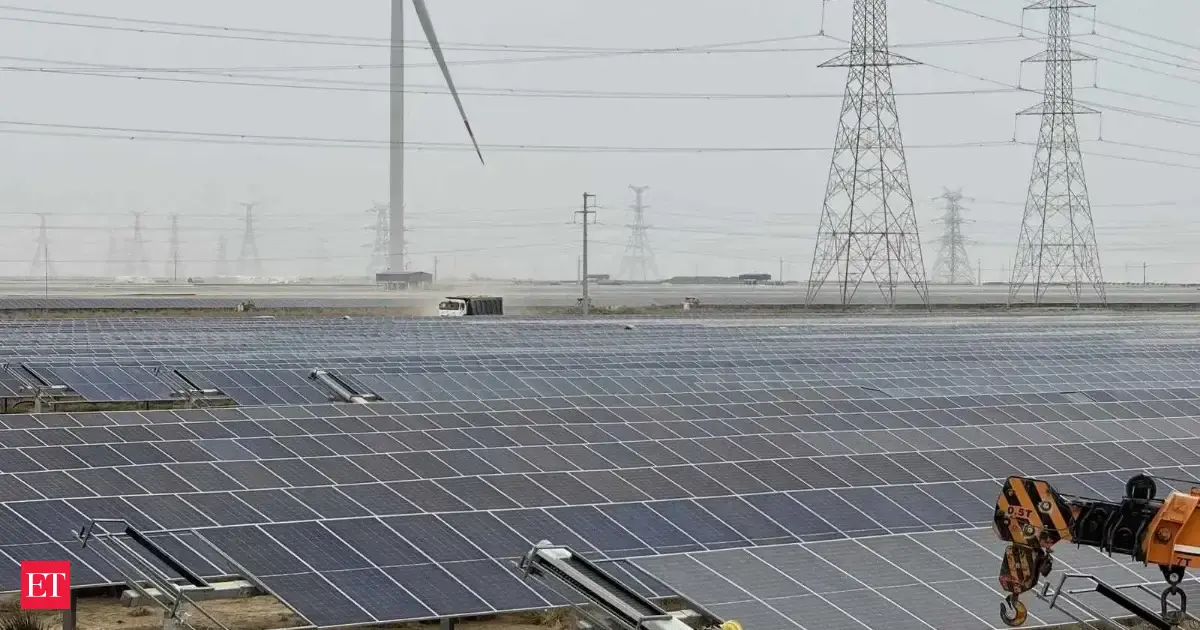
India’s solar capacity has surged 57-fold since 2014, reaching 162.15GW by June 2026. The Tamil Nadu government is now pushing a 200MW rooftop solar project for public buildings. Meanwhile, Chennai residents are ramping up solar adoption thanks to the PM Surya Ghar subsidy (up to ₹78,000) and additional TEDA state support.

The Indian Ministry of New and Renewable Energy (MNRE) has pushed back the ALMM List-II solar cell domestic requirement to 2027, while setting a December 31, 2026, deadline for government-backed solar projects. In Chennai, battery innovation and agrivoltaics are emerging as key solutions for both renewable energy growth and food security.
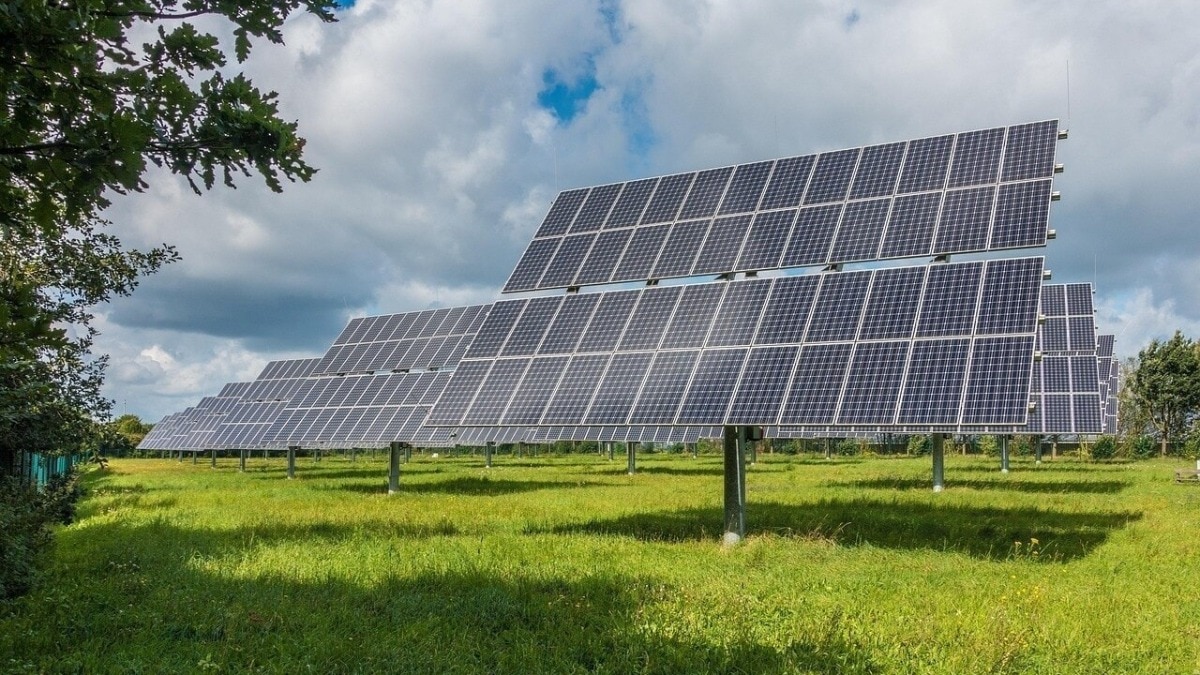
타밀나두주가 태양광 발전 신기록을 세웠으며, 중앙정부의 NABARD 태양광 재융자 사업이 2026년 9월까지 연장되었습니다. 첸나이 지역에서는 가정용 태양광 설치 시 다양한 정부 보조금을 지원받을 수 있습니다.

India’s solar power capacity jumped by over 26GW in the first half of 2026, with Tamil Nadu hitting a new record of 60.4 million units of solar generation. Thanks to the central government's PM Surya Ghar policy, residents in Chennai can now take advantage of a ₹78,000 solar subsidy.
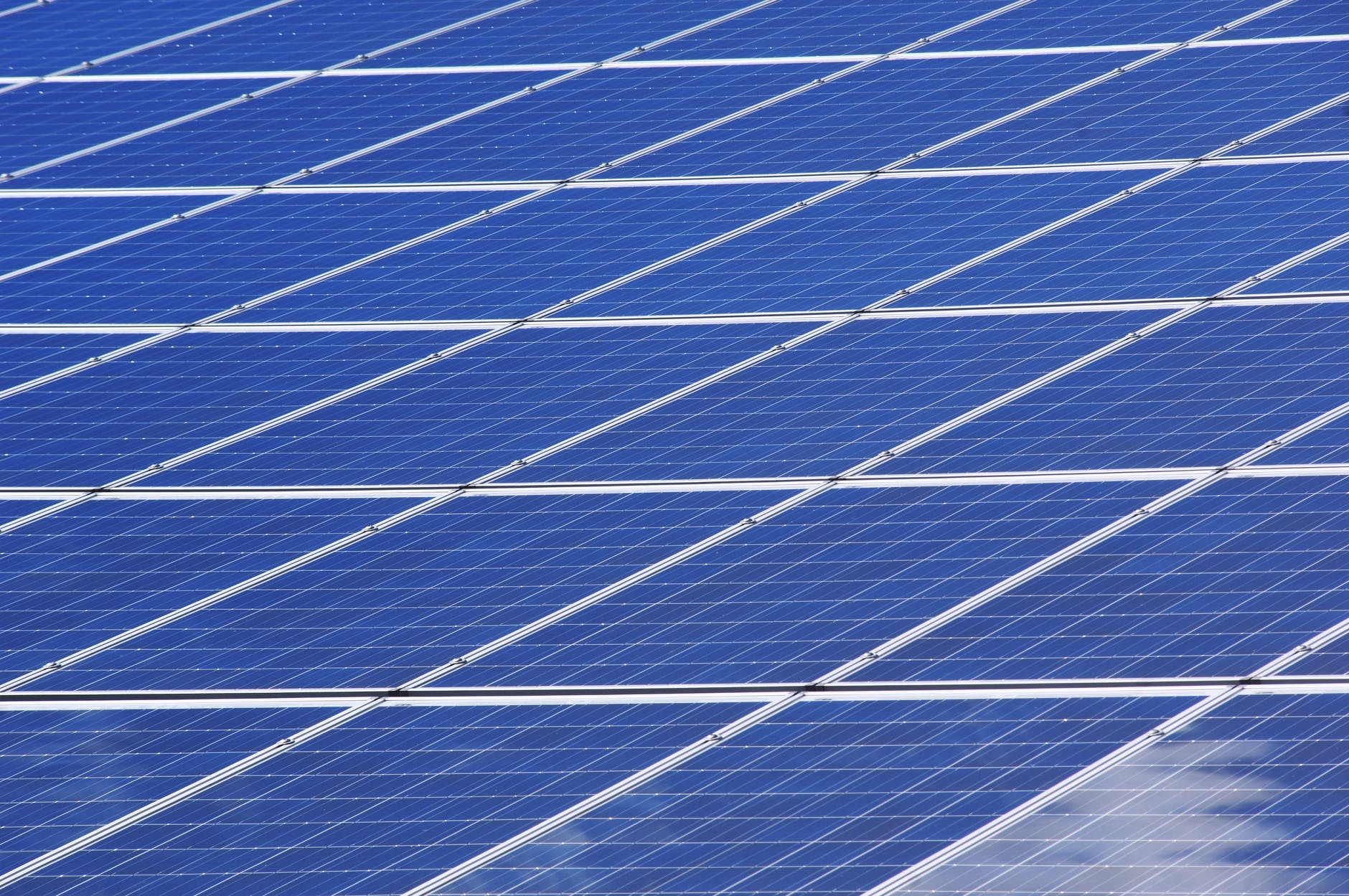
Tamil Nadu has smashed its single-day solar generation record, while Chennai residents are actively adopting rooftop solar thanks to the PM Surya Ghar subsidy and TANGEDCO’s net metering scheme.

On July 8, 2026, Tamil Nadu achieved a record high of 60.4 million units of solar power generation, while the state government is moving forward with a 200MW rooftop solar project across 200 government buildings.
The Tamil Nadu government is rolling out a 200MW rooftop solar initiative across 200 state buildings using the RESCO model, where private investors handle installation and operations. This push for renewable energy is becoming increasingly critical as Chennai's booming data center sector puts significant pressure on the local power grid.

최근 첸나이 지역은 PM Surya Ghar 보조금(₹78,000)과 TANGEDCO 넷 미터링을 활용한 태양광 보급이 한창이며, 타밀나두 주는 풍력 발전 전력 수출로 탄탄한 재정 수익을 올리고 있어요.

The Tamil Nadu Energy Department has issued the 'Tamil Nadu Grid Code 2026', requiring renewable energy producers to connect to the SCADA system for real-time data reporting, directly impacting solar and wind farm operations in the Chennai region.

While there have been no new specific agriculture or solar policy announcements in Chennai over the last 24 hours, there are ongoing updates from the central government regarding renewable energy and an active solar tender from the Chennai Port Authority.
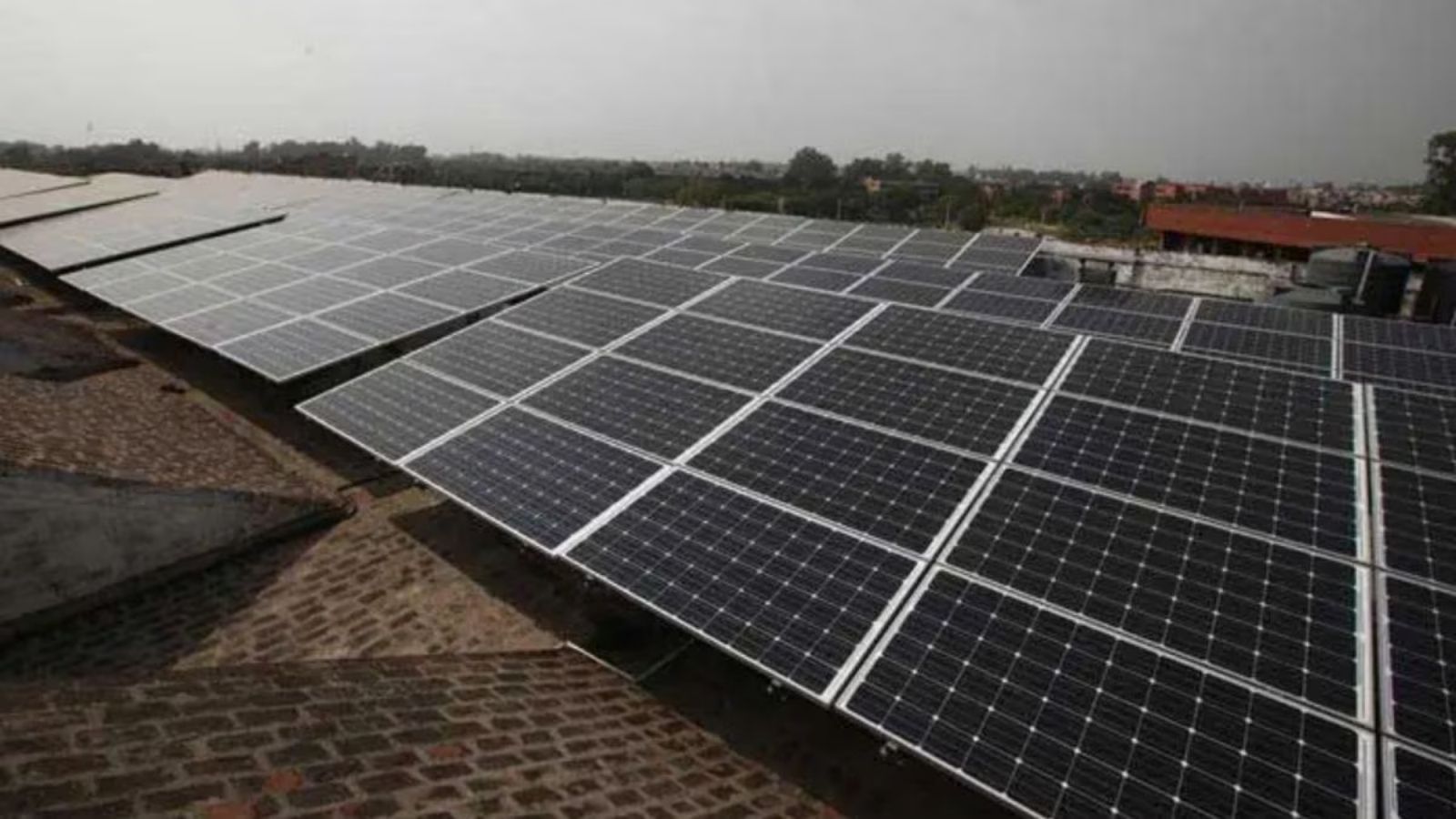
The Tamil Nadu state government has approved five dedicated Renewable Energy (RE) zones to accelerate green energy projects, while central government subsidies like PM Surya Ghar and NABARD funding remain key support mechanisms through the first half of 2026. In the agricultural sector, the adoption of agriphotovoltaics is gaining traction as a way to simultaneously improve energy security and food production.
Create custom signals on any topic. AI curates and delivers 24/7.
Create SignalPowered by
