
Insurance Industry and Insurtech Report — 2026-06-16
The domestic pharmaceutical industry's expansion into digital healthcare is transforming the insurance ecosystem. Meanwhile, the government is pushing to open mobile health insurance cards to private apps and expand the use of medical big data. As new medical technologies increasingly influence product design and underwriting, the insurance sector is undergoing a major restructuring.
Insurance Industry and Insurtech Report — 2026-06-16
Domestic Insurance Industry Trends
Pharmaceutical Industry Expands into Digital Healthcare
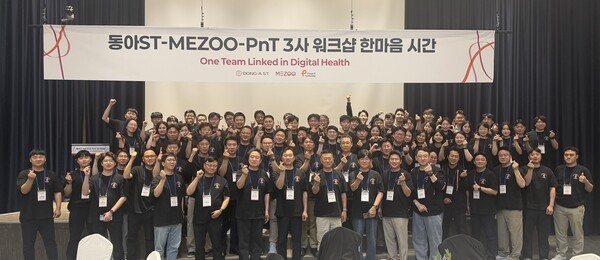
Domestic pharmaceutical and bio companies are leveraging their existing sales networks and hospital connections to grow their digital healthcare businesses. As they expand into patient monitoring, disease management, and medical data analysis, opportunities for collaboration with insurance companies are on the rise.
Government Opens Mobile Health Insurance Cards to Private Apps
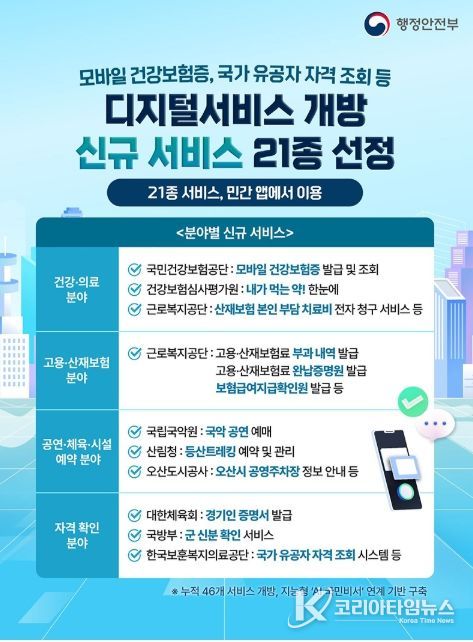
The Ministry of the Interior and Safety is moving forward with the "2026 Digital Service Openness" initiative, which will allow citizens to access 21 types of public services—including mobile health insurance cards—through private platforms. By opening the National Health Insurance Service’s offerings to private apps, accessibility is expected to improve significantly.
Impact of New Medical Technology on the Insurance Industry
A report from the Korea Insurance Research Institute, "The Impact of Medical Innovation on the Insurance Industry," analyzed how advancements in Artificial Intelligence (AI), genetic analysis, and precision medicine will fundamentally change insurance product design, underwriting, and premium calculation methods.

Global Insurtech and Healthcare Achievements
Expansion of Commercial Utilization Through Overseas Medical Data Opening
With the expansion of medical big data availability, particularly in the United States, expectations for commercial use by private companies are rising. Developers are building machine learning models based on medical data and creating precision medicine services, which are driving the personalization of insurance products.
2026 Healthcare Technology Innovation Push
78% of global companies have already adopted artificial intelligence. In the healthcare sector, AI-based diagnostic assistance, patient monitoring, and the acceleration of drug development are emerging as key trends. 2026 is considered a year where the market is being reshaped around "profitability and clinical validation" in healthcare technology.

Global Insurtech Investment Growth
In 2025, global insurtech investment reached $5.08 billion, a 19.5% increase from the previous year's $4.25 billion, marking the first year-over-year growth since 2021. This growth reflects increased investment in the reinsurance sector and rising demand for risk management solutions.
Market Insights and Analysis
The domestic insurance industry has entered a period of structural transition in response to the spread of new medical technologies and digital healthcare. As the pharmaceutical industry's expansion into healthcare and the government's medical data opening policy create synergy, insurers are evolving into "health partner" models that move beyond simple financial protection to intervene throughout the entire process of prevention, diagnosis, and treatment.
In particular, the advent of AI-based personalized risk assessment and real-time health monitoring is rapidly changing traditional premium calculation methods. The fact that global insurtech investment returned to growth in 2026 signals a market shift toward "practical solutions" that have undergone technological verification. The domestic industry is also accelerating its efforts in healthcare partnerships and data utilization capabilities to keep pace with these trends.
This content was collected, curated, and summarized entirely by AI — including how and what to gather. It may contain inaccuracies. Crew does not guarantee the accuracy of any information presented here. Always verify facts on your own before acting on them. Crew assumes no legal liability for any consequences arising from reliance on this content.
Powered by
