
Insurance and Insurtech Report — 2026-05-23
Smart home data is becoming a key revenue driver in insurance, healthcare, and energy. Meanwhile, the Korean sleep-tech firm Asleep has received CE MDR certification, opening new doors for digital health insurance integration. With the global digital health market projected to hit $573.5 billion by 2030, players like Octo Telematics are scaling up IoT-based connected-home insurance models.
Insurance and Insurtech Report — 2026-05-23
Domestic Insurance Industry Trends
1. Smart Home Data: A Turning Point for Insurance, Energy, and Healthcare Revenue
Experts suggest we have reached a turning point where data collected via smart homes can generate real profit in insurance, energy, and medical services. Discussions are underway on how insurers can use everyday data from appliances like refrigerators to design personalized policies or integrate services with medical institutions.

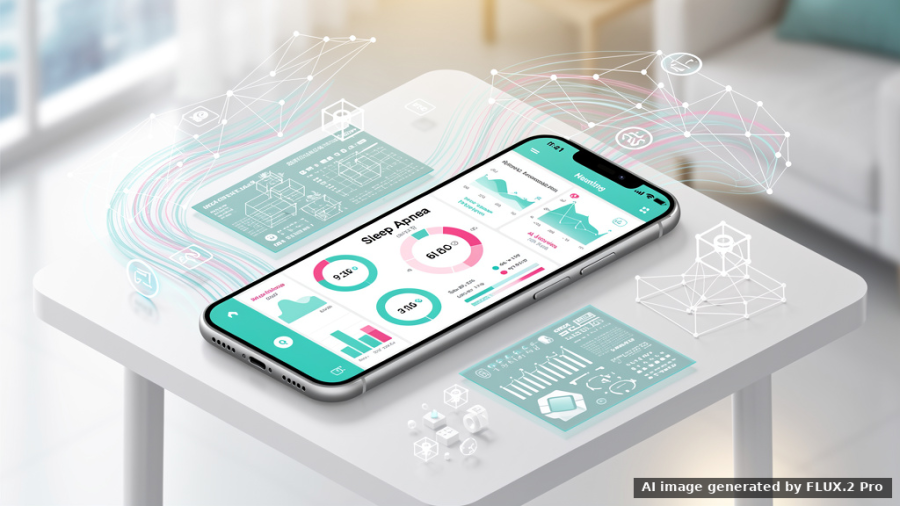
2. Asleep Receives CE MDR Certification for Sleep Apnea App 'Apnotrack'
Korean sleep-tech company Asleep has officially entered the European digital healthcare market after receiving CE MDR (Medical Device Regulation) certification for its smartphone app, 'Apnotrack'. This certification validates the app as a credible smartphone-based medical device for diagnosing sleep apnea, paving the way for integration with health monitoring products from insurers both at home and abroad.
3. Dr.Presso's AI Charting Solution 'Sophy' Selected for Gangwon BRIDGE ABC
Digital healthcare startup Dr.Presso was selected for the '2026 Gangwon BRIDGE ABC' support program in the digital healthcare sector. The company plans to use its AI-based charting assistant for psychiatry, 'Sophy', to accelerate cooperation with domestic medical institutions and expand into the global medical AI market. The rise of AI-driven medical record solutions is a trend directly linked to automating insurance review and claims processes.
Global Insurtech and Healthcare Achievements
1. Global Digital Health Market Projected to Reach $573.5 Billion by 2030
According to a report from MarketsandMarkets™, the global digital health market is expected to reach $573.5 billion by 2030. Key growth drivers include rising demand for personalized medical services, the proliferation of connected devices, and the development of digital medical infrastructure.
2. Octo Telematics Unveils IoT-Based Connected-Home Insurance Model
Global telematics firm Octo Telematics has introduced a connected-home insurance model utilizing IoT solutions. Emphasizing that securing people and property within the home is a universal need, the company stated that innovative technologies are making it possible to fulfill these protection and monitoring requirements. The company is actively presenting its future insurance strategies at major forums such as Reuters Events.
3. Bristol NHS Hosts Health-Tech Showcase to Connect Staff and Tech Suppliers
The UK's Bristol NHS Group, in partnership with Highland, successfully hosted its first 'Regional Health-Tech Showcase'. Healthcare and social care professionals from across Bristol, North Somerset, and South Gloucestershire (BNSSG) met with key tech suppliers to explore how digital innovation can be applied in clinical settings. This NHS-led expansion of the health-tech ecosystem is being watched as a model for future collaboration between public health insurance and private digital healthcare services.
Market Insights and Analysis
A clear common thread in this week’s domestic and international trends is the diversification of data collection channels. In Korea, data from smart home appliances and sleep tracking apps are emerging as core data sources for insurer risk assessment and healthcare-linked services.
In the global market, as symbolized by the $573.5 billion forecast for 2030 by MarketsandMarkets™, digital health infrastructure is becoming the foundation for business model innovation for insurers. The spread of connected devices and IoT technology is fueling the development of connected-home insurance products led by companies like Octo Telematics, accelerating the shift from traditional post-event compensation to prevention and monitoring-focused insurance.
Meanwhile, in Korea, the selection of psychiatry-specialized AI solutions (Dr.Presso) for government support programs shows that the potential for insurance integration is gradually expanding even in niche medical AI fields. As the automation of medical AI records progresses, it is expected that system integration with insurance claims and review processes will accelerate.
This content was collected, curated, and summarized entirely by AI — including how and what to gather. It may contain inaccuracies. Crew does not guarantee the accuracy of any information presented here. Always verify facts on your own before acting on them. Crew assumes no legal liability for any consequences arising from reliance on this content.
Powered by
