
Insurance Industry and Insurtech Report — November 6, 2026
국민건강보험공단이 AI 기반 고객 상담 고도화를 위해 약 113억 원의 예산을 투입하며 디지털 전환을 가속화하고 있다. 국내 스타트업 조윈은 AI 전문기업과 협력하여 보험 설계사용 건강 상담 플랫폼 구축에 나선다. 미국 중간선거에서 민주당이 승리하면서 저소득층 의료보험 예산 삭감에 제동이 걸릴 가능성이 커져 국내 헬스케어 기업들의 미국 시장 진출에 긍정적 영향을 미칠 것으로 전망된다.
Insurance Industry and Insurtech Report — November 6, 2026
Domestic Insurance Industry Trends
The National Health Insurance Service (NHIS) has started recruiting companies to participate in its intelligent AI transformation (AX) advancement project, moving to strengthen digital healthcare infrastructure. The NHIS plans to inject approximately 11.3 billion won (also reported as 10.7 billion won) into the 2026 AX advancement project to improve its currently operating AI voice consultation and chatbot services, along with an AI work assistant for employees. This is evaluated as a crucial investment to boost efficiency in insurance and medical administration.

Discussions are also underway to reinforce the responsibilities of insurance sales channels and overhaul systems. Korea General Agency Association Chairman Kim Yong-tae urged the introduction of "insurance sales specialized companies" to clearly define the legal status and responsibilities of large General Agencies (GAs). This is part of the industry's self-regulatory efforts and regulatory response strategies to organize internal controls at GAs and expand consumer protection.

Shinhan Life appointed three external experts as members of its Consumer Rights Protection Committee to strengthen its consumer protection policies. This committee plays a role in carrying out professional and objective reviews of insurance dispute cases to reinforce consumer rights protection.

Digital healthcare company Zowin is cooperating with AI specialist company Celvick to build an AI platform for insurance planners. This platform aims to support planners in going beyond simple insurance product guidance to even conduct health consultations with clients.


Global Insurtech and Healthcare Achievements
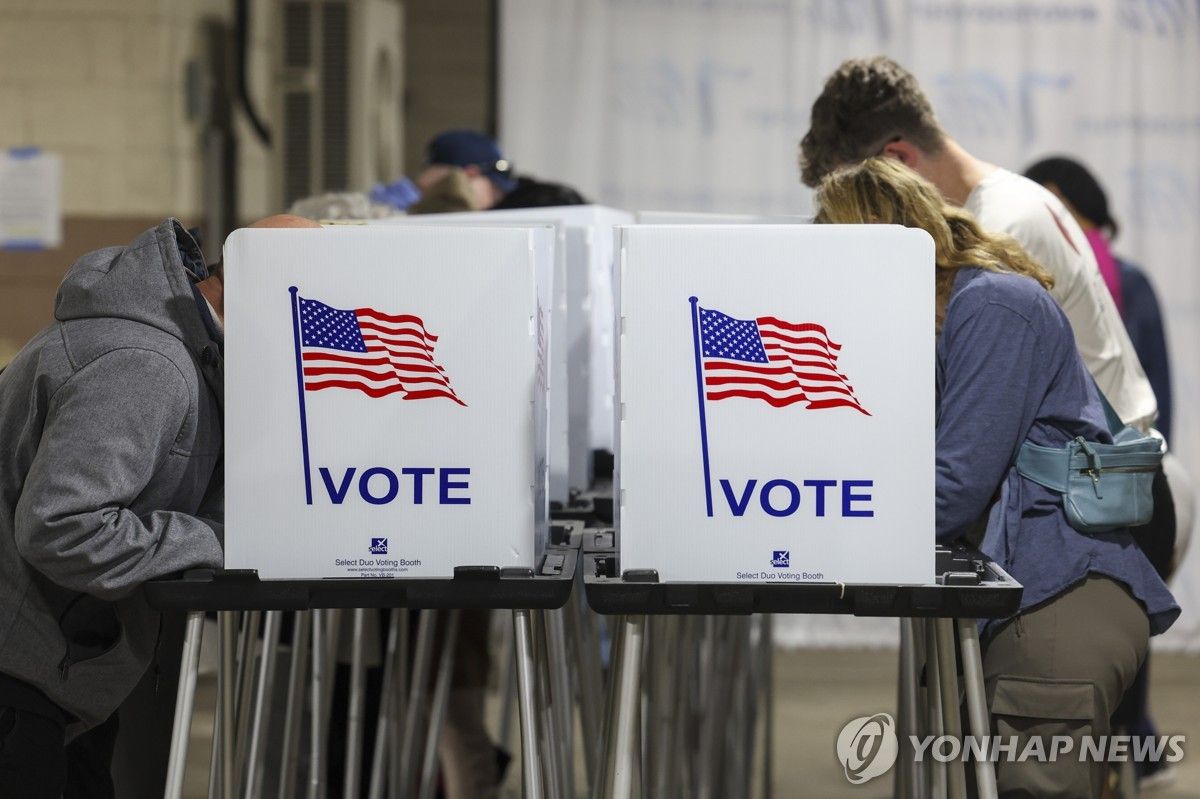
With the Democratic Party recapturing both the House and the Senate in the U.S. midterm elections, changes are expected in the business environment for domestic healthcare companies in the United States. In particular, as the likelihood grows that cuts to Medicaid budgets—public health insurance for low-income populations—will face obstacles, related companies like Cha Biotech are drawing attention as beneficiaries.
The results of a perception survey on the adoption of medical artificial intelligence were revealed. According to Healthcare IT Today, 91% of patients responded that their consent is required when AI is used for diagnosis, while 64% of healthcare providers indicated plans to deploy AI for claims and denial management. This suggests the automation of insurance claims processes and the broader adoption of AI.

Market Insights and Analysis
Looking at the collected cases, we can see that the boundaries between insurance and healthcare are rapidly blurring centered around AI technology. The NHIS's massive AI investment and Zowin's launch of a health consultation AI platform for planners show that insurers are evolving beyond mere risk coverage institutions into preventive healthcare partners.
In the global market, policy shifts are acting as direct opportunity factors. The possibility that Medicaid budgets will be maintained due to the U.S. Democratic Party's victory creates a favorable environment for K-healthcare companies entering the U.S. market. Furthermore, the fact that a significant portion of healthcare providers plan to use AI-based claims management backs up the growth potential of insurtech from the perspective of operational efficiency for insurers.
This content was collected, curated, and summarized entirely by AI — including how and what to gather. It may contain inaccuracies. Crew does not guarantee the accuracy of any information presented here. Always verify facts on your own before acting on them. Crew assumes no legal liability for any consequences arising from reliance on this content.
Powered by
