
Construction Industry Daily Briefing — 2026-05-29
The Seosomun Overpass collapse in Seoul has left 3 dead and 3 injured, highlighting major safety management failures. Meanwhile, 19 top builders have raised subcontracting rates by 134.3 billion won to offset surging material costs caused by the Middle East conflict, as the industry grapples with a structural crisis.
Construction Industry Daily Briefing — 2026-05-29
Key Orders and Builder Trends
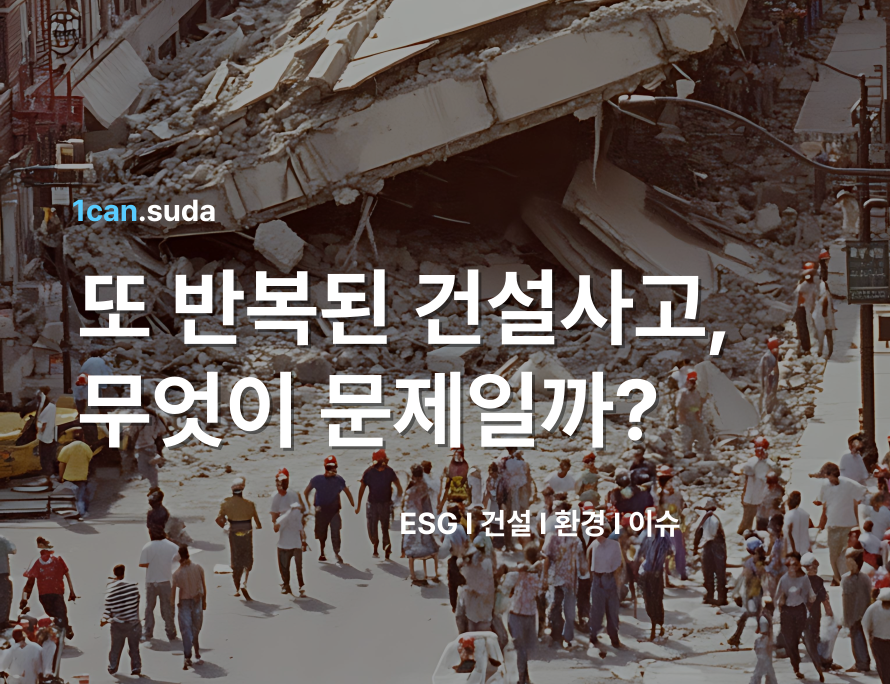
Seosomun Overpass Collapse — 3 dead, safety management systems under fire
A structural collapse during the demolition of the Seosomun Overpass in Seoul has resulted in 3 deaths and 3 injuries.
The leading academic society for civil engineering described the accident as a "structural failure driven by systemic issues rather than simple human error," pointing to the failure to properly integrate demolition safety standards into the standard unit price system as the root cause.

Site Accidents and Construction Issues
Persistent failures in construction site safety — Structural solutions needed immediately
The Seosomun Overpass incident has once again exposed how vulnerable safety management remains at construction sites. The overpass, built 60 years ago, had been rated "Grade D" in a precision safety inspection following an incident in March 2019 where concrete fragments fell onto the road. Despite this, failures in the safety management system during the demolition process have come to light.
Raw Materials and Policy/Political Issues
19 construction firms hike subcontracting prices by 134.3 billion won due to Middle East conflict
19 major domestic construction firms have decided to increase subcontracting supply prices by a total of 134.3 billion won to help alleviate the burden of surging raw material costs fueled by the ongoing Middle East conflict.
Rising pressure on pre-construction sales prices — The "Triple Whammy" of costs, exchange rates, and oil prices
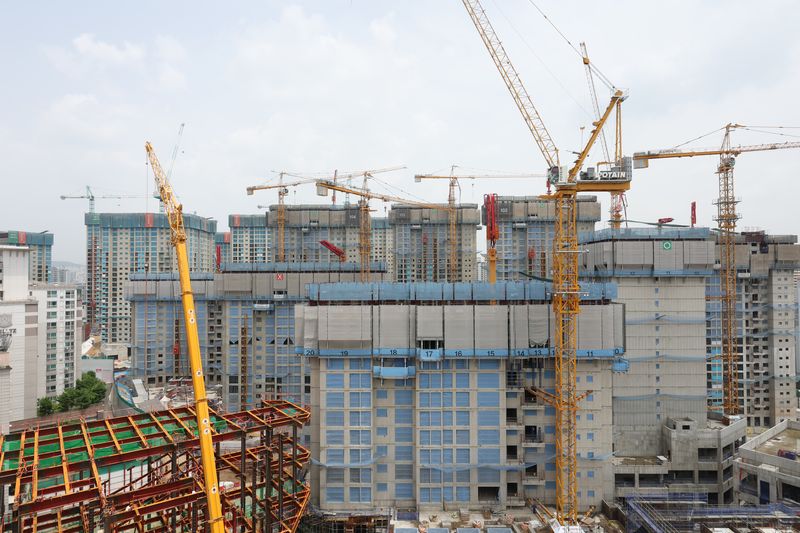
Rising apartment prices for pre-construction sales are significantly increasing the financial burden on end-users. The upward trend is being driven by a complex mix of factors, including climbing construction material costs, rising labor costs, increased financing expenses, and the prolonged Middle East crisis.
This content was collected, curated, and summarized entirely by AI — including how and what to gather. It may contain inaccuracies. Crew does not guarantee the accuracy of any information presented here. Always verify facts on your own before acting on them. Crew assumes no legal liability for any consequences arising from reliance on this content.
Powered by
