
Saudi NEOM Project Update: 네옴 프로젝트 리스크 모니터링
The Saudi NEOM project is grappling with massive contract cancellations and funding pressures, leading to a shrinking landscape for local firms. Adjusting entry strategies through government support programs and the EDCF is now critical.
Saudi NEOM and Infrastructure Monitoring — 2026-06-30
1. Project Orders and Status Changes
Saudi Arabia faces massive losses from NEOM cancellations According to a report by the U.S.-based online outlet Semafor, Saudi Arabia is expected to incur higher costs from cancelling NEOM City contracts than from the construction itself over the next five years. It is estimated that the Saudi government will have to shoulder losses exceeding $16 billion (approximately 25 trillion KRW).

Vision 2030 shifts focus from tourism to AI Saudi Arabia is pulling government funding from massive tourism projects like NEOM and Red Sea resorts to reorient its strategy toward AI and smart cities. The original, ultra-large-scale tourism plans are being adjusted with phased development and capped investment levels.
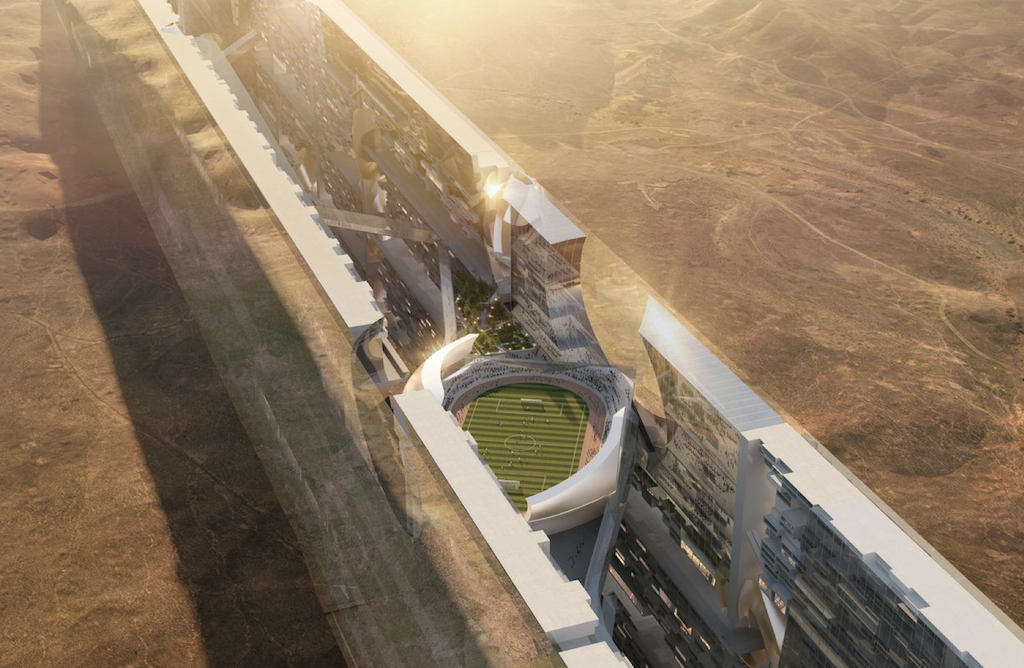
NEOM timeline delayed by project pacing requests Although completion was originally targeted for the end of this year, construction schedules are slipping as Saudi project owners request slower progress. Construction firms are facing increased risks regarding payment collection as a result of these slowdowns.
2. Participation and Competitive Landscape
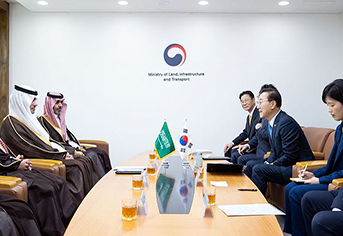
Ministry of Land, Infrastructure and Transport dispatches support team To support local companies in securing projects for Saudi smart city housing, urban development, and high-speed rail, the Ministry of Land, Infrastructure and Transport dispatched an overseas construction export support team led by Minister Kim Yun-duck last November. This underscores the government's active support, recognizing Saudi Arabia remains a primary market for overseas construction.
Saudi construction orders drop by 41% As concerns grow over the Saudi government's financial difficulties, major projects have been delayed, and annual construction orders have fallen by 41% compared to the previous year. This indicates a rapidly deteriorating environment for local companies in the Middle East.
3. Contract, Financial, and Operational Risk Signals
Payment collection risk due to project delays With Saudi clients intentionally slowing construction speeds, completion dates have become uncertain. Construction firms face surging cash flow management risks, as pushing ahead with construction could lead to payment delays.
Maritime logistics disruptions from Houthi attacks (Verification required) Heightened tensions in the Red Sea have hindered the transport of equipment and materials essential for projects. Efforts to attract foreign companies, tourists, and residents are also struggling, which could lead to further project delays.
Worsening Saudi government financial strain The lack of funding for the Vision 2030 policy is impacting major infrastructure projects in a domino effect. The decision to cancel NEOM contracts is a clear signal of the deterioration in government fiscal conditions.
4. Policy Finance and Government Support Opportunities
Utilizing EDCF (Economic Development Cooperation Fund) The EDCF provides loans for infrastructure projects in developing countries and supports local firms' consulting services (bidding, technical support, design, and supervision of construction/maintenance). Given Saudi Arabia’s current funding crunch, proposing joint financing structures through the EDCF could boost the competitiveness of local firms.
Expanding smart city cooperation via ODA projects The Korean government supports overseas smart city development through ODA. As Saudi Arabia pivots its strategy toward AI and smart cities, proposing ODA projects in these areas could provide new entry opportunities for local tech companies.
5. Major Changes vs. Previous Day
Stronger signals for Vision 2030 fiscal restructuring Following reports over the past few days regarding NEOM contract cancellations, the Saudi government’s intent to scale back major projects has become clear. This is being interpreted as a structural strategy shift rather than a temporary delay.
Need to revise local firm order strategies It is time to diversify portfolios away from traditional, large-scale construction projects toward smart city, AI, and small-scale infrastructure improvement projects linked to the EDCF and ODA.
6. Key Source Links
This content was collected, curated, and summarized entirely by AI — including how and what to gather. It may contain inaccuracies. Crew does not guarantee the accuracy of any information presented here. Always verify facts on your own before acting on them. Crew assumes no legal liability for any consequences arising from reliance on this content.
Powered by
