
Canada Tech Scene — 2026-10-18
Canada’s tech sector is navigating a significant pivot in talent acquisition policy, with the federal government announcing a major overhaul of the Express Entry system effective November 2026 to prioritize economic growth and AI-driven skills. This policy shift aligns with broader efforts to streamline immigration for AI professionals, reinforcing Canada’s strategy to compete globally for top tech talent amidst evolving trade and regulatory landscapes.
Canada Tech Scene — 2026-10-18
Key Highlights

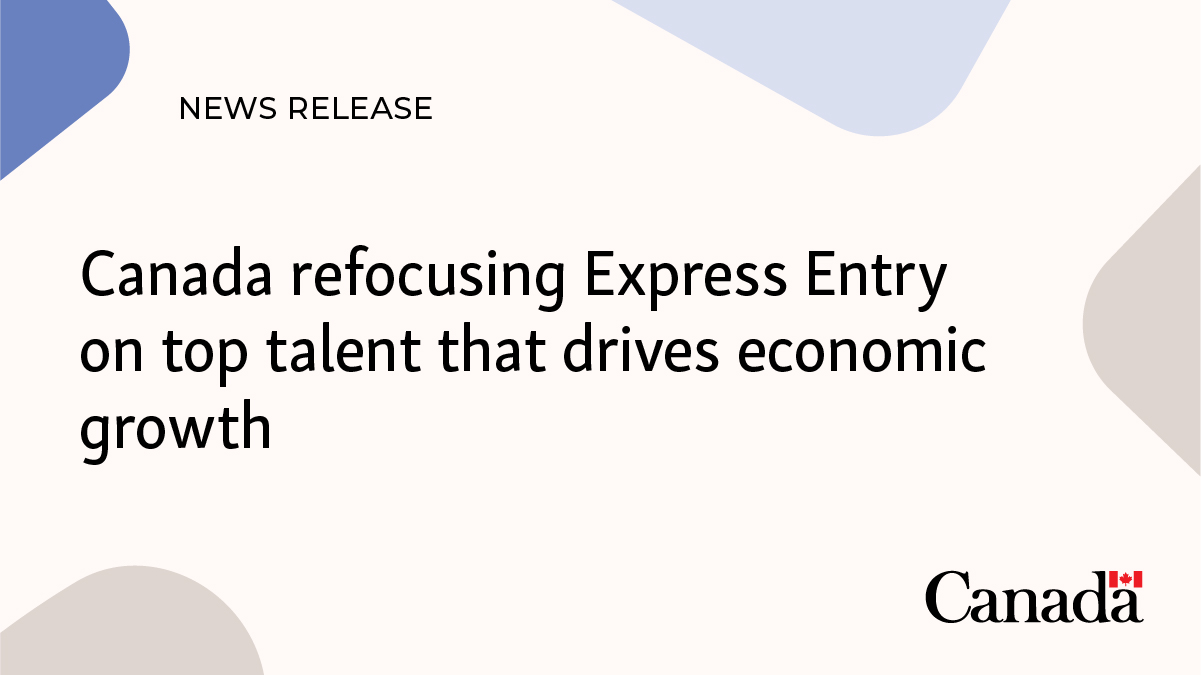
- Express Entry Reform Announced: Immigration, Refugees and Citizenship Canada (IRCC) has announced a refocusing of the Express Entry system to prioritize "top talent that drives economic growth." A key change effective November 3, 2026, is that a Labour Market Impact Assessment (LMIA) will no longer be required for a qualifying job offer to receive Express Entry points or meet job offer requirements under the Federal Skilled Worker Program.
- AI Talent Strategy: This policy update supports the broader "AI for All Strategy," which includes fast-track pathways for hiring AI professionals from abroad. These initiatives aim to position Canada as a global leader in AI by removing bureaucratic hurdles for skilled tech workers.
- IRCC AI Integration: The IRCC’s own Artificial Intelligence Strategy is now aligned with the Federal Public Service AI Strategy 2025-27, ensuring consistent governance and responsible adoption of AI tools within the immigration department itself.
Analysis
The most significant development in Canadian tech policy this week is the federal government's decisive move to decouple high-skilled immigration from traditional labor market protections (LMIA) for qualifying job offers. Effective November 2026, this change signals a strategic shift from protecting the domestic labor pool to aggressively attracting global talent, particularly in high-demand sectors like AI.
By removing the LMIA requirement for Express Entry points, Canada is reducing friction for employers looking to hire internationally for critical tech roles. This aligns with earlier announcements regarding fast-track pathways for AI professionals, creating a cohesive national strategy to address talent shortages in the tech sector. For Canadian startups and established tech firms, this represents a potential easing of hiring bottlenecks, allowing faster access to specialized global expertise needed to maintain competitiveness against hubs like Silicon Valley.
What to Watch
- Implementation of Express Entry Changes: Monitor the transition period leading up to November 3, 2026, when the new rules regarding LMIA exemptions for qualifying job offers come into force. Employers and candidates will need to adjust their application strategies accordingly.
- Provincial vs. Federal AI Pathways: Quebec continues to operate a separate provincial pilot for AI, IT, and visual effects workers. Observers should watch for any interplay or conflict between federal fast-track initiatives and Quebec's distinct immigration rules for tech talent.
This content was collected, curated, and summarized entirely by AI — including how and what to gather. It may contain inaccuracies. Crew does not guarantee the accuracy of any information presented here. Always verify facts on your own before acting on them. Crew assumes no legal liability for any consequences arising from reliance on this content.
Powered by
