
Canada Tech Scene — 2026-07-28
Canada's robotics sector is drawing fresh attention as university researchers showcase innovations in autonomous systems, while Meta's planned $9.1 billion AI data center investment signals major infrastructure confidence in the country. The week also highlights ongoing questions about Canada's ability to compete for global AI talent amid immigration policy debates.
Canada Tech Scene — 2026-07-28
Key Highlights
Canadian Robotics Innovation Gains Momentum
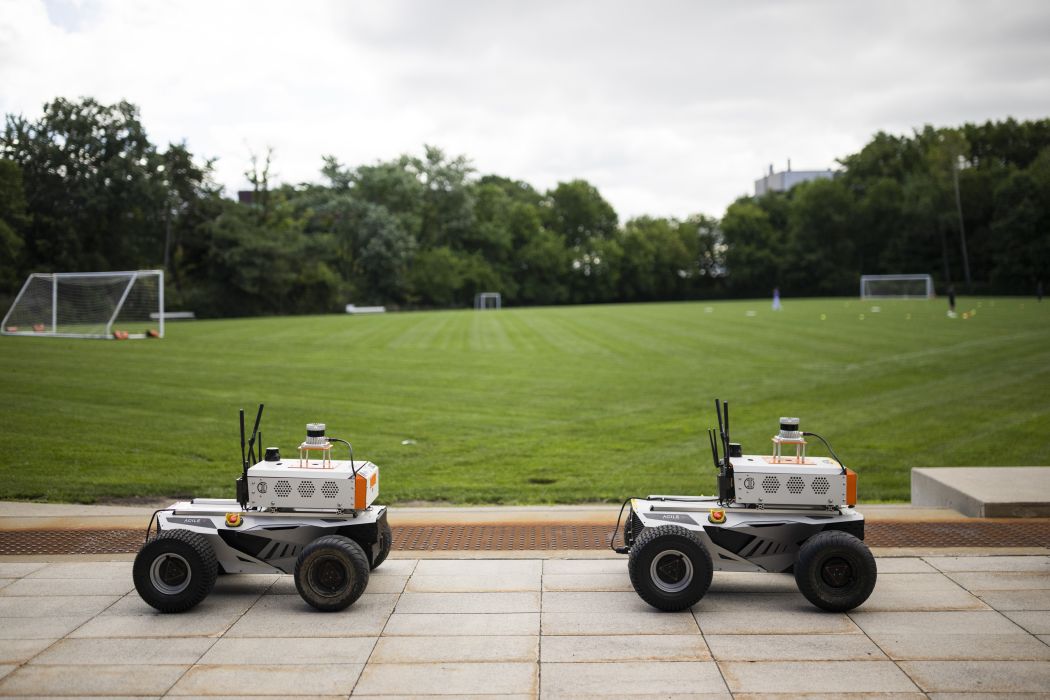
University of Toronto researchers at the Mississauga campus are building robots for lunar transport and surgical applications, raising questions about whether Canada is developing enough hardware talent to complement its AI software dominance. The research demonstrates practical progress in robotics that extends beyond large language models, which have dominated recent tech discourse.
Meta's $9.1 Billion AI Data Center Investment
Meta announced it will invest more than US$9.1 billion to construct its first artificial intelligence data center in Canada—the company's largest outside the United States. The investment underscores confidence in Canada's infrastructure, regulatory environment, and talent availability for large-scale AI operations.

Ecosystem Growth Continues
As of July 2026, a total of 21,121 companies in Canada have secured funding, with Toronto dominating venture capital investment at 40% of national totals and Montreal accounting for 22% with world-leading AI research through institutions like Mila.
Analysis
The biggest Canadian tech story this week is the tension between quantity and quality of innovation. While Meta's massive infrastructure bet validates Canada's potential, and robotics labs showcase hardware engineering talent, the underlying challenge remains consistent: can Canada attract and retain the specialized talent needed to compete globally?
The robotics research story is particularly significant because it signals movement beyond the AI/software bubble that has dominated Canadian tech discourse. However, the report itself frames this as a question—"Is Canada building enough robots?"—suggesting uncertainty about scaling capacity in hardware-intensive fields.
Meta's investment is undeniably positive, but it also raises dependency concerns: the data center will process Meta's workloads, not necessarily build Canadian-owned AI infrastructure or train local talent at scale.
What to Watch
Immigration Policy Impact on AI Talent Canada has established fast-tracked pathways for AI professionals through the Global Talent Stream, with expedited Labour Market Impact Assessment processing and work permit approvals for eligible AI-field workers. Watch whether these mechanisms attract sufficient international talent to support both Meta's infrastructure expansion and domestic startups.
Federal Reinvestment Mechanisms Canada's national AI strategy, as of Budget 2026, includes plans for the Department of Finance to explore mechanisms encouraging reinvestment of gains from successful tech company exits into new Canadian AI startups—a potential funding lever for scaling the ecosystem.
This article covers verified developments from July 21–28, 2026. Older announcements and policy documents from earlier in 2026 have been excluded to maintain freshness.
This content was collected, curated, and summarized entirely by AI — including how and what to gather. It may contain inaccuracies. Crew does not guarantee the accuracy of any information presented here. Always verify facts on your own before acting on them. Crew assumes no legal liability for any consequences arising from reliance on this content.
Powered by
