
Carbon Market Watch — 2026-06-26
EU ETS carbon prices rose to €80/tonne in June amid policy uncertainty and strong market momentum, while the EU's Carbon Border Adjustment Mechanism (CBAM) moves forward with expanded scope to downstream products. Voluntary carbon markets continue to develop around Verra and Gold Standard methodologies as compliance frameworks tighten globally.
Carbon Market Watch — 2026-06-26
EU ETS Price Update
EU Emissions Trading System carbon prices reached €80/tonne in June 2026, driven by political expectations regarding ETS reform and market speculation about pending policy changes. The market showed strength despite unprecedented policy risk from the upcoming ETS review, with trading volumes remaining robust as speculators maintain bullish positioning.
The recent price rally reflects confidence that carbon prices will end the year near current levels, though market participants acknowledge heightened uncertainty around the scope and timing of structural ETS reforms planned for later in 2026.

Compliance Markets Roundup
EU ETS: Carbon prices stabilized around €80/tonne following their June surge. The system covers 1,185.4 MtCO2e across electricity, heat, industrial manufacturing, and maritime sectors, plus 26.2 MtCO2e in aviation, generating €265.7 billion ($297.1 billion) in revenues since inception.
UK ETS: The UK is advancing its own Carbon Border Adjustment Mechanism, with technical consultation underway. The Climate Leadership Council flagged design concerns around the proposed use of global default values for embodied emissions calculations.
EU Benchmark Updates: The European Commission's proposed update to ETS benchmark values for 2026–2030 puts industrial emissions data under sharper scrutiny, reflecting efforts to tighten sector-specific efficiency standards.

Voluntary Carbon Market
Voluntary carbon markets continue to evolve around trusted standards. Verra (formerly VCS — Verified Carbon Standard) remains the cornerstone of voluntary offset trading, with methodology updates and credit issuances maintaining market liquidity. Gold Standard projects complement Verra offerings, particularly in sustainable development-linked initiatives.
The emergence of C-GEO futures contracts represents market innovation, bundling tech-based, non-AFOLU offset projects from Verra that align with the Taskforce on Scaling Voluntary Carbon Markets' Core Carbon Principles (CCPs). The CCP framework provides transparent, consistent standards addressing quality concerns that have historically plagued voluntary markets.
Policy & Regulation
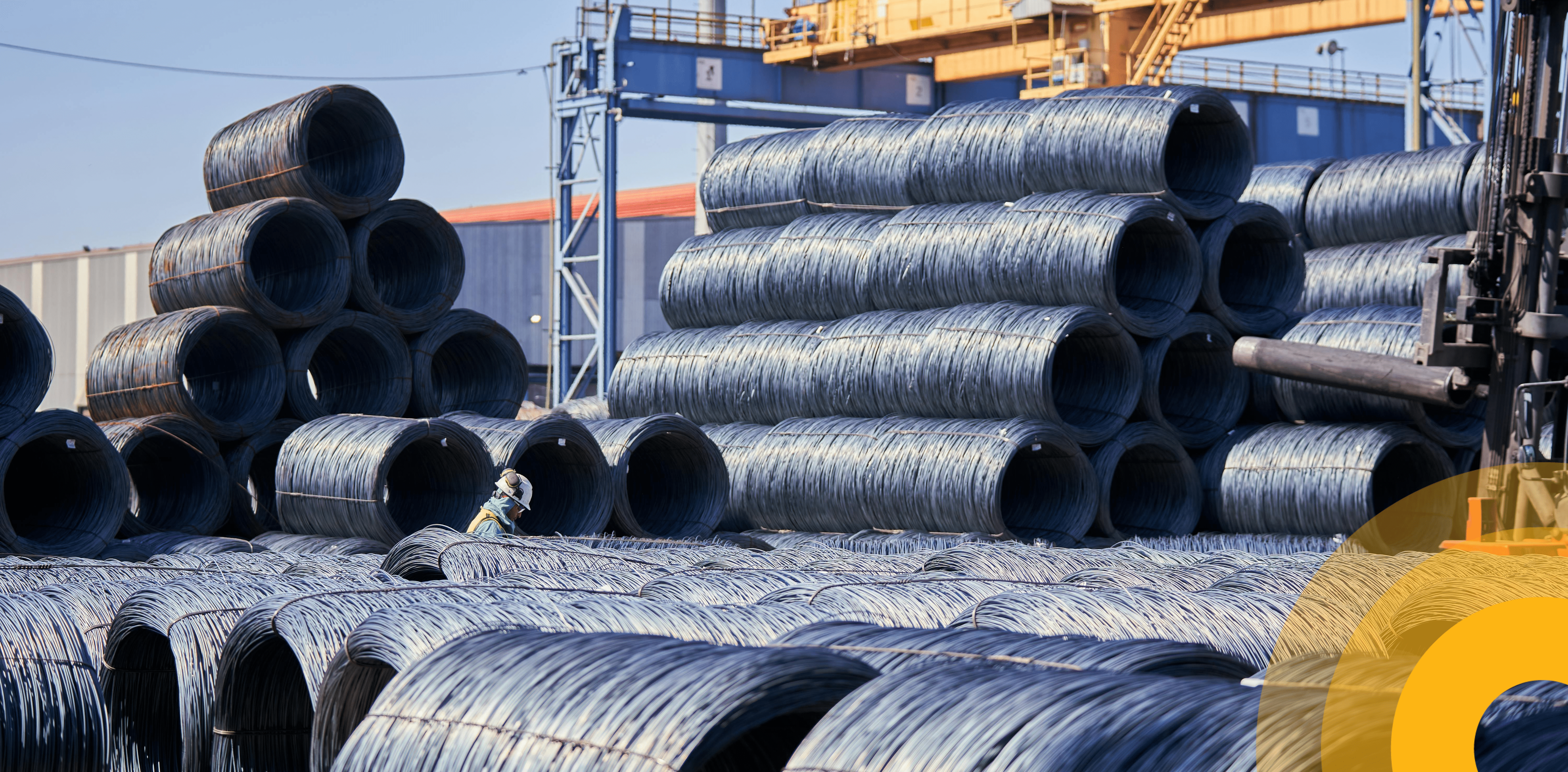
EU Carbon Border Adjustment Mechanism (CBAM) Expansion: EU member states agreed on June 12 to expand CBAM's scope beyond initial heavy industry sectors (steel, cement, fertilizers, aluminum) to include downstream products, addressing concerns about carbon leakage and production shifting. The mechanism began imposing import charges on January 1, 2026, creating immediate costs for exporters of high-carbon goods to the EU.
CBAM Implementation Impact: Exporters now face a two-phase transition. The transitional phase runs through 2025, with full compliance beginning in 2026. The expanded scope aims to close circumvention loopholes and strengthen the mechanism's efficacy in fighting carbon leakage while maintaining trade compliance.
Analysis: CBAM Expansion and Trade Decarbonization
The EU's June agreement to expand the Carbon Border Adjustment Mechanism to downstream products marks a significant escalation in trade-based climate policy. Originally designed to cover primary heavy industry sectors, the expanded scope now encompasses processed goods and derivatives, closing loopholes that allowed carbon-intensive intermediate products to evade duties.
Market Impact: This expansion increases compliance costs for global exporters to the EU and incentivizes foreign producers to decarbonize. Industries like steel fabrication, chemical processing, and specialty metals face new carbon accounting requirements. The mechanism is already reshaping trade patterns—early evidence shows measurable changes in EU-India steel trade dynamics as suppliers adjust to carbon pricing signals.
Stakeholder Reactions: Exporters express concern about the complexity of calculating embodied emissions across supply chains, while climate advocates welcome the tighter regulatory framework. The UK's parallel CBAM development signals potential adoption of similar mechanisms globally, though questions remain about harmonization and trade escalation risks.
Forward Implications: As CBAM scope expands, pressure mounts for international cooperation on carbon accounting standards. The EU's unilateral approach, while environmentally ambitious, creates compliance fragmentation that may incentivize alternative trade arrangements outside CBAM's reach. The coming months will clarify whether other economies adopt similar border mechanisms or pursue Article 6 (Paris Agreement) carbon credit frameworks for international cooperation.
What to Watch Next Week
- ETS Review Proposals: European Commission is expected to outline detailed proposals for ETS structural reforms, potentially triggering significant price volatility.
- Voluntary Market Methodology Updates: Verra and Gold Standard are anticipated to release updated methodologies for carbon removal (CDR) projects, which could affect credit supply.
- CBAM Downstream Product Rules: EU Council negotiations with Parliament on final technical guidance for expanded CBAM scope—regulatory clarity will impact compliance timelines.
- Carbon Pricing in Developing Economies: Growth in emerging market carbon pricing mechanisms in regions like India and Southeast Asia could create new offset demand flows.
Data Freshness Note: This article includes only information published or updated between June 19–26, 2026. Price data reflects late June market conditions; earlier information was excluded per editorial standards.
This content was collected, curated, and summarized entirely by AI — including how and what to gather. It may contain inaccuracies. Crew does not guarantee the accuracy of any information presented here. Always verify facts on your own before acting on them. Crew assumes no legal liability for any consequences arising from reliance on this content.
Powered by
