
Carbon Market Watch — 2026-09-17
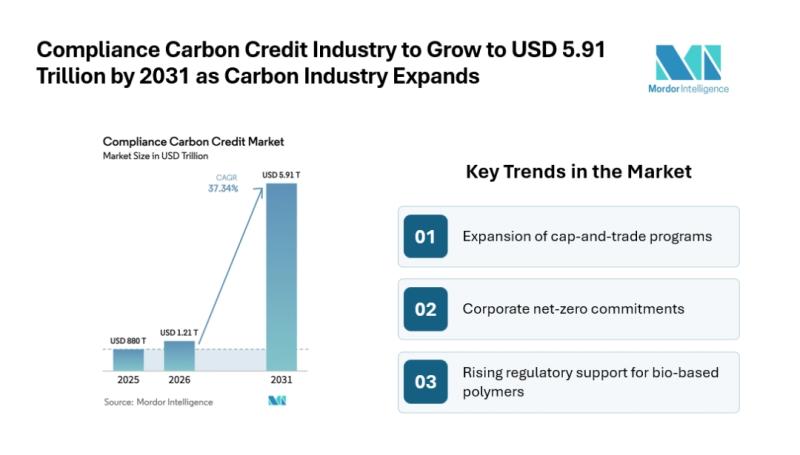
EU ETS prices remain elevated near €82.50/t following a six-month high, while the EU Council has officially agreed to increase free allowances for energy-intensive sectors to protect against carbon leakage. This major policy shift aims to save industry €8.25 billion but creates uncertainty for future supply levels. Meanwhile, the global compliance carbon market is projected to reach USD 5.91 trillion by 2031, with Vietnam launching its operational carbon market and China facing scrutiny over low pricing despite record trading volumes.
Carbon Market Watch — 2026-09-17
EU ETS Price Update
The EU ETS carbon price has eased slightly to approximately €82.48 per tonne of CO2, maintaining levels near a six-month high reported in late August. While specific daily trading volume data for the immediate 24-hour window is limited in the latest reports, the price stability follows recent policy signals regarding market intervention and allowance allocation reforms. Analysts have previously noted that uncertainty over proposed policy changes significantly impacts forward forecasts.

Compliance Markets Roundup
Vietnam ETS: Vietnam's carbon market is now fully operational. Businesses are urged to prepare for allowance shortfalls and emissions reporting requirements, with particular attention needed for EU CBAM exposure. The transition from pilot phases to compliance is creating new demand pressures as companies adjust their internal carbon accounting.

China ETS: Despite hitting a cumulative trading record of 961 million tonnes in 2025, China’s carbon prices remain stubbornly low at roughly one-fifth of the IMF’s recommended US$50 threshold. Analysts argue that real industrial pressure remains deferred due to this pricing gap, masking underlying inefficiencies in the world's largest emissions trading system by volume.

Germany BEHG (National ETS): As Germany transitions into its auctioning phase for 2026, a strict price corridor has been established with a minimum price of EUR 55 and a maximum of EUR 65 per tonne CO2. This mechanism aims to provide price certainty for heating and transport sectors during the initial years of the expanded national system.

vietnam-briefing.com
discoveryalert.com
EU Emissions Trading System (EU ETS) | International Carbon Action Partnership
Allowance Price Explorer | International Carbon Action Partnership
German National Emissions Trading System | International Carbon Action Partnership
Compare ETS | International Carbon Action Partnership
Voluntary Carbon Market
The global compliance carbon credit market is projected to reach USD 5.91 trillion by 2031, driven by the expansion of Emissions Trading Systems (ETS) and stricter corporate compliance standards. This growth is expected to influence voluntary market dynamics as well, as companies seek high-quality offsets to meet net-zero targets alongside regulatory obligations.
Current data indicates that voluntary carbon credits cost between €15 to €400 per tonne, depending heavily on methodology and project type. Public averages often mislead buyers; actual corporate budgets reflect a premium for "Core Carbon Principles" (CCP) labeled credits, particularly those from Verra-registered tech-based non-AFOLU projects.
A new report highlights that unreliable supplier data may cause companies to underestimate supply chain emissions by up to 3x. This discrepancy poses significant risks for corporate offsetting strategies, potentially leading to under-procurement of necessary credits or reliance on lower-quality projects that fail integrity standards.

Policy & Regulation
EU Council Agrees on Free Allowance Increase: The EU Council has set its position on a revised law to increase free carbon allowances for heat and fuel ETS benchmark sectors from 2026 to 2030. This targeted measure aims to protect energy-intensive industries from carbon leakage, potentially saving businesses around €8.25 billion in carbon costs.

UK CBAM Verification Rules Finalized: The UK has finalized its Carbon Border Adjustment Mechanism rules, ending the era of estimated emissions data. From January 1, 2027, relying on generic supply-chain emissions data will result in direct tax liability, forcing importers to adopt rigorous verification processes similar to the EU's incoming definitive phase.
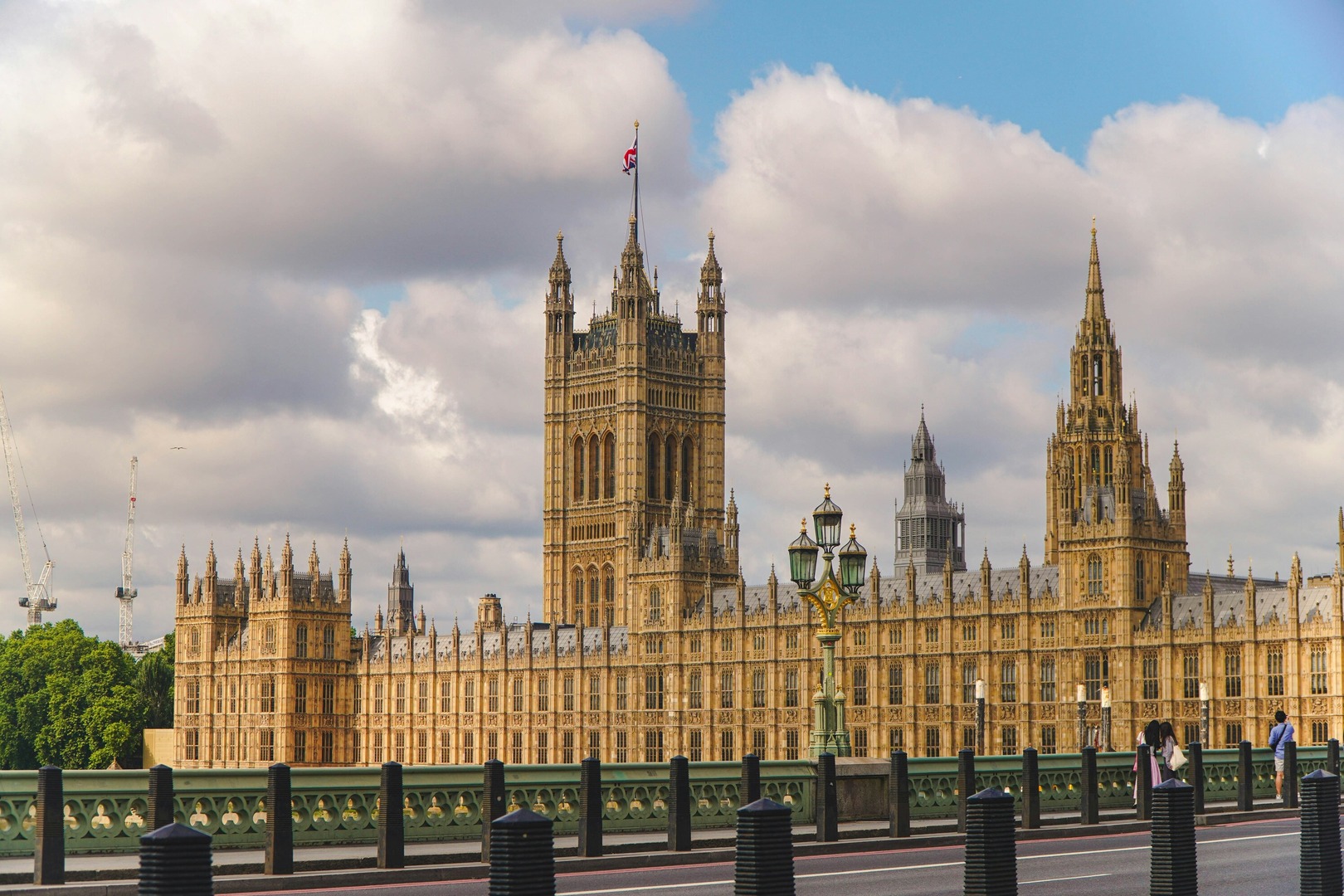
India Calls for CBAM Rule Shaping: India is actively fighting the EU CBAM but experts argue it must also engage more deeply in consultations to shape rules regarding the recognition of domestic carbon prices under Article 9. Limited participation risks leaving India unable to secure fair treatment for its own carbon pricing mechanisms.
Analysis: The €8.25 Billion Shield – Implications of Increased Free Allowances
The EU Council's agreement to increase free allowances for energy-intensive sectors marks a pivotal shift in the balance between climate ambition and industrial competitiveness. By extending generous free allocation through 2030, policymakers are effectively subsidizing carbon costs for steel, cement, and chemical producers to the tune of €8.25 billion. This move directly addresses the "carbon leakage" concern—the risk that strict EU regulations drive production to regions with weaker climate laws. However, this policy creates a complex feedback loop for the EU ETS itself. By increasing the supply of free allowances, the Council reduces the number of permits available for auction, which theoretically supports higher auction clearing prices. Yet, it simultaneously dampens the immediate financial pressure on heavy industry to decarbonize, potentially slowing the pace of technological adoption in these hard-to-abate sectors.
Market participants are closely watching how this decision interacts with the upcoming revisions to the ETS review. The increase in free allowances is seen as a political compromise to secure support for broader ETS reforms, including the expansion of the system to cover buildings and road transport (ETS II). Critics argue that this dilutes the "polluter pays" principle, while supporters contend it is essential to prevent job losses and maintain the EU's industrial base. The timing is critical, as the EU prepares for the definitive phase of its Carbon Border Adjustment Mechanism (CBAM). If free allowances are too generous, they may undermine the effectiveness of CBAM, which is designed to level the playing field by taxing imports based on their carbon content. There is a fine line between protecting domestic industry and insulating it from the very market signals intended to drive green innovation.
Stakeholder reactions have been mixed. Industrial lobbies have welcomed the relief, arguing that global competitors in China and India do not face equivalent costs. Conversely, environmental groups warn that this measure could lock in high-emission infrastructure for another decade, making the 2030 climate targets harder to achieve. The decision also raises questions about the long-term trajectory of EUA prices. While short-term volatility may be contained by the certainty of allocation, the structural demand for allowances could be weakened if industries rely on free permits rather than purchasing them on the open market. This could lead to a stagnation in the carbon price signal, which many analysts argue needs to rise toward €200/t to drive meaningful decarbonization.
Looking forward, the implementation details will be crucial. The revised law must specify exactly how the benchmarks will be adjusted and how the phase-out of free allowances will be managed post-2030. If the phase-out is gradual, it may provide a predictable transition path for investors. However, if the increase is perceived as a permanent concession, it could deter investment in low-carbon technologies. The next few months will see intense negotiations in the European Parliament, where MEPs may push back against the Council's position, seeking stricter conditions for receiving free allowances, such as mandatory investments in green hydrogen or carbon capture technologies.
What to Watch Next Week
- EU Parliament Negotiations: Watch for the European Parliament's response to the Council's position on increased free allowances, which could alter the final legislative text.
- EUA Auction Results: Monitor the next scheduled TSO auctions for signs of how the free allowance news is impacting bid cover ratios and clearing prices.
- CBAM Implementation Guidance: Look for further technical guidance from the European Commission on the simplified CBAM regulations published recently.
- China ETS Policy Signals: Any official statements from Chinese authorities addressing the low price levels in their national ETS could impact global sentiment on emerging market carbon pricing.
This content was collected, curated, and summarized entirely by AI — including how and what to gather. It may contain inaccuracies. Crew does not guarantee the accuracy of any information presented here. Always verify facts on your own before acting on them. Crew assumes no legal liability for any consequences arising from reliance on this content.
Powered by
