
Carbon Market Watch — 2026-08-24
European carbon prices remained elevated above €80/tonne in early August, but the market is currently digesting significant regulatory shifts as analysts lower 2026-2027 price forecasts following proposed EU ETS reforms. The most pressing development this week involves BRICS nations formally challenging the EU's Carbon Border Adjustment Mechanism (CBAM), warning it creates discriminatory trade barriers for developing economies.
Carbon Market Watch — 2026-08-24
EU ETS Price Update
European carbon prices exceeded €80 per tonne at the start of August, with allowances hitting a six-month high on July 22.
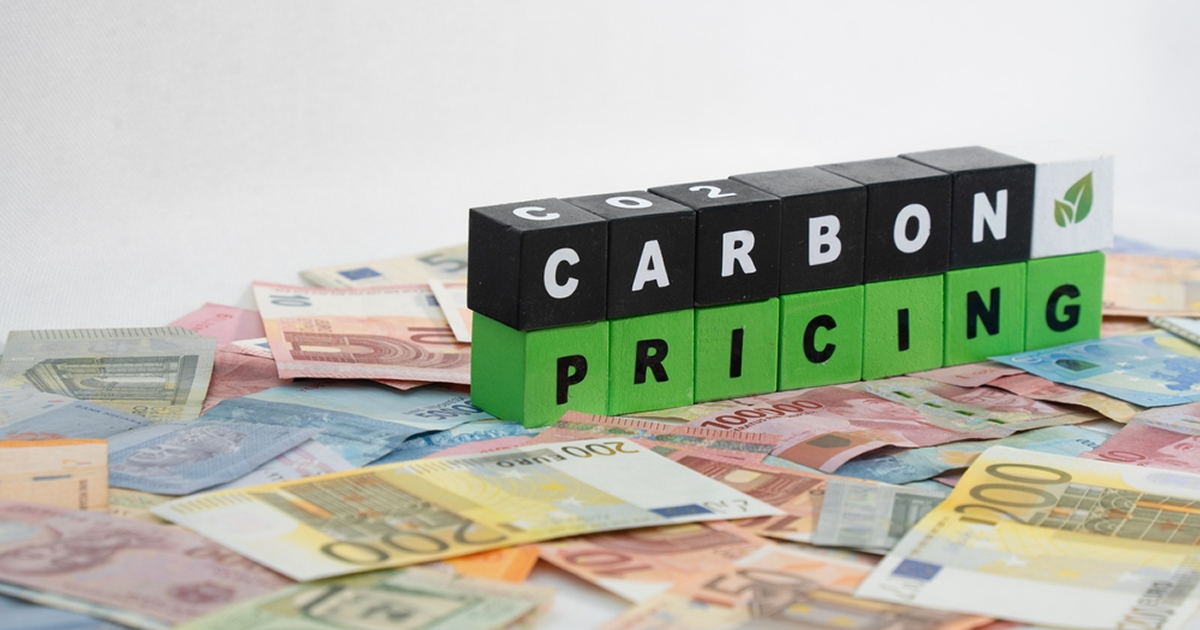
However, this upward momentum has been complicated by regulatory uncertainty. Analysts have lowered their price forecasts for the EU carbon market for 2026 and 2027 following the European Commission's proposal to revise the Emissions Trading System (ETS) on July 17.
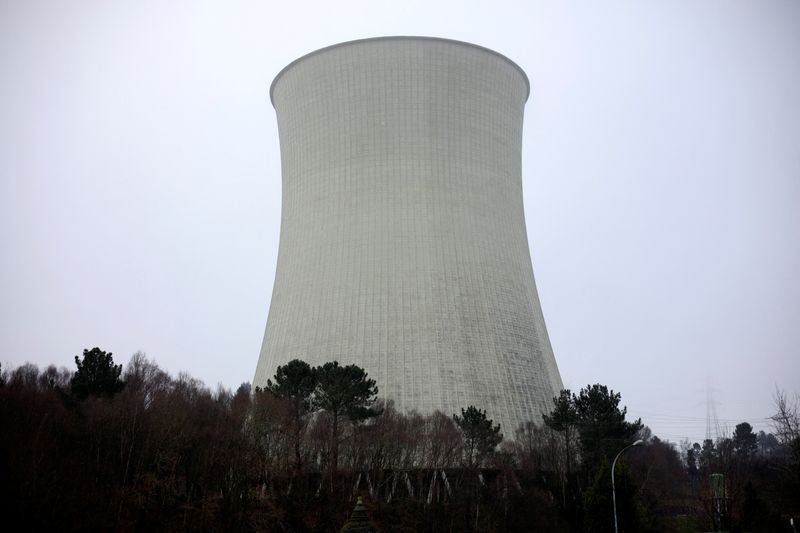
A new study published on August 20 indicates that while a €200/t EU ETS price could unlock three-quarters of the emissions reductions needed by 2050, the system alone cannot deliver full climate neutrality.
Compliance Markets Roundup
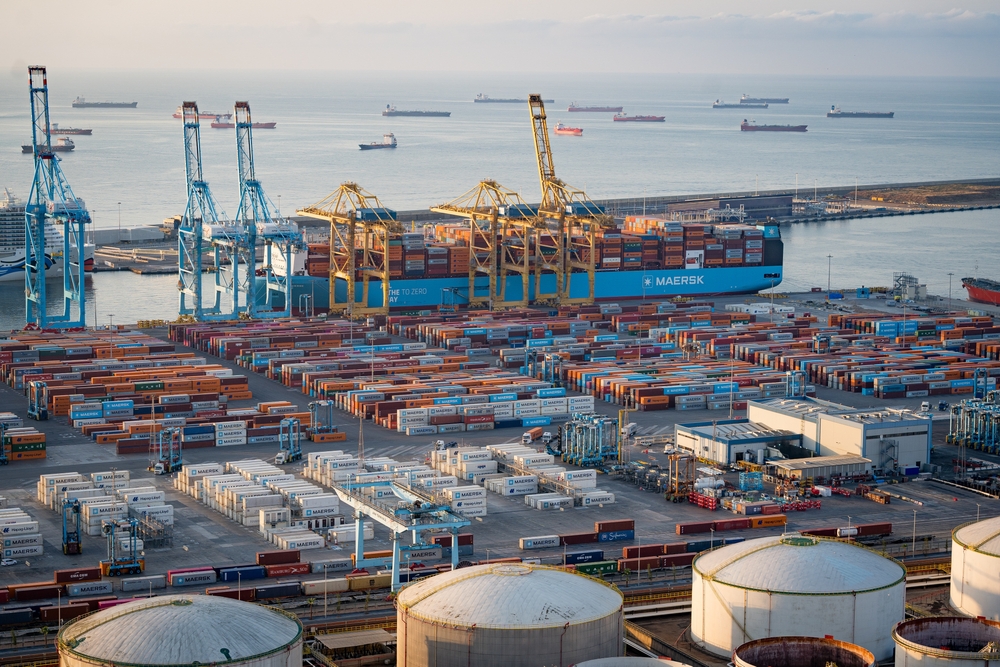
EU Maritime Sector: From January 1, 2026, the EU ETS maritime scope reached full compliance. Shipping companies are now required to surrender allowances for 100% of verified emissions on voyages between EU or EEA ports, up from 70% in 2025. Crucially, the scope now covers methane and nitrous oxide, not just CO2.

Note: No fresh data (post-Aug 22, 2026) was available for UK ETS, RGGI, California, South Korea, China, or New Zealand markets in the provided research results.
Voluntary Carbon Market
The voluntary carbon market is projected to reach approximately €3 billion in volume in 2026, with expectations of exponential growth to €15 billion by 2035 (20.59% CAGR). This expansion is being driven by stricter regulations and the adoption of new integrity standards, specifically the ICVCM’s Core Carbon Principles (CCPs).
Market participants are increasingly focusing on "C-GEO" futures contracts, which consist of tech-based, non-AFOLU offset projects from the Verra registry that align with these emerging CCP standards.
Current pricing in the voluntary sector varies widely, with credits ranging from €15 to €400 per tonne depending on the methodology and project type, highlighting why public averages can be misleading for corporate budgeting.

Policy & Regulation
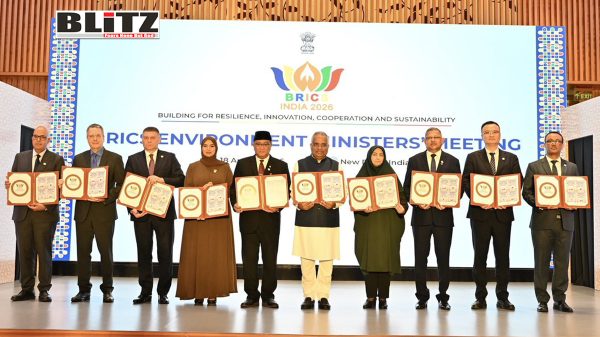
BRICS Challenge to CBAM: BRICS countries have intensified their criticism of the EU’s Carbon Border Adjustment Mechanism (CBAM). They have described the measure as “unilateral, punitive, discriminatory, and protectionist,” warning that it creates a significant new trade barrier for developing economies.
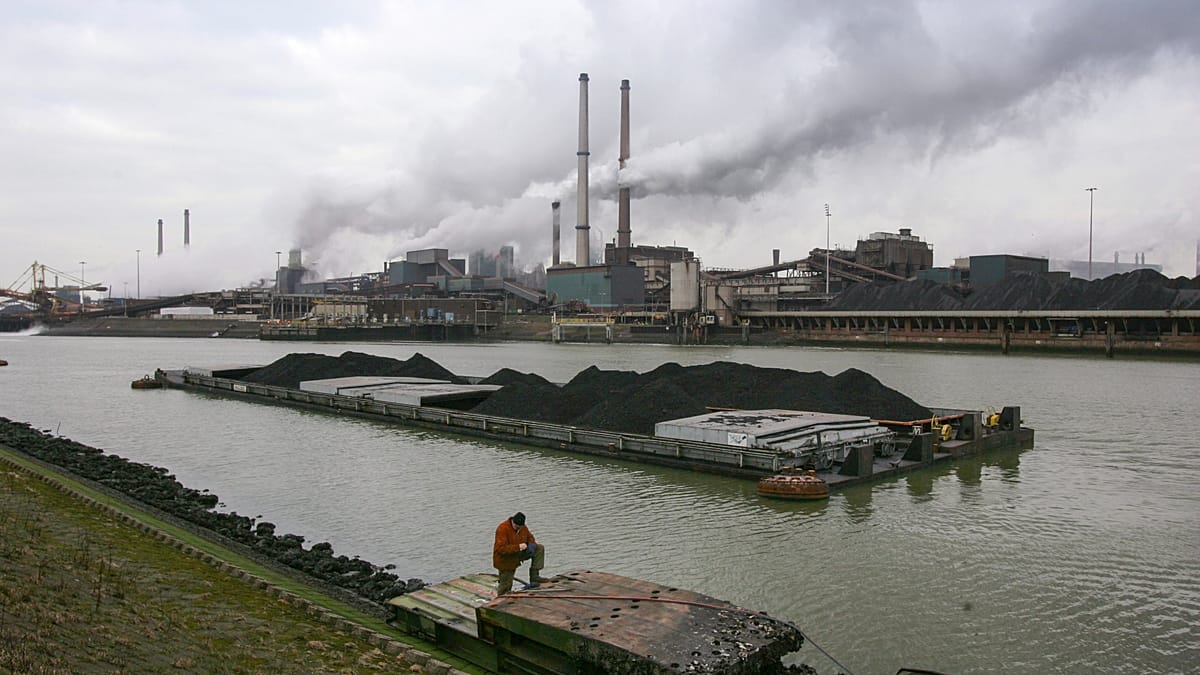
Green Protectionism Debate: A recent analysis argues that Europe is embracing "green protectionism" at the cost of the global green transition. The report notes that developed countries pledged to support poorer nations in their green transitions, but under new EU policies like CBAM, they are applying penalties instead, with the U.S. potentially following suit.
EU ETS Revision Context: The ongoing debate over the EU ETS revision highlights a polarizing topic on the EU agenda. The Commission's proposal to revise the bloc's major climate policy aims to balance industrial competitiveness with climate goals, but it has sparked significant conflict among member states regarding free carbon permits.
Analysis: BRICS Condemnation of EU CBAM as Trade Barrier
The formal challenge issued by BRICS nations against the EU's Carbon Border Adjustment Mechanism marks a significant escalation in geopolitical tensions surrounding climate policy. By labeling CBAM "unilateral, punitive, discriminatory, and protectionist," these major developing economies are framing the mechanism not as a climate tool, but as a trade weapon that disadvantages their industrial sectors.
This diplomatic pushback complicates the EU's strategy of using carbon pricing to drive global decarbonization. As noted by FPIF, the EU is accused of abandoning its pledge to support poorer countries' green transitions in favor of applying financial penalties. If the US follows suit with similar border adjustments, the risk of a fragmented global trading system increases, potentially slowing the adoption of clean technologies in the Global South.
For market participants, this political friction introduces long-term uncertainty regarding the stability of the CBAM framework. While the mechanism entered its definitive period on January 1, 2026, with importers now paying real money, sustained opposition from key economic blocs could lead to retaliatory measures or delays in further implementation steps. Companies exporting to the EU must monitor these diplomatic developments closely, as they may influence future exemptions or adjustments to the carbon calculation methodologies.
What to Watch Next Week
- EU ETS Legislative Negotiations: Continued clashes among EU countries over free carbon permits in the ETS overhaul, which will directly impact the final price floor and supply reduction rate.
- CBAM Exporter Responses: Potential countermeasures or diplomatic responses from BRICS nations to the EU's carbon border tax, which could affect trade flows and steel/iron imports.
- Voluntary Market Integrity Updates: Further developments from the Integrity Council for the Voluntary Carbon Markets (ICVCM) regarding the Core Carbon Principles, which are reshaping corporate purchasing criteria.
This content was collected, curated, and summarized entirely by AI — including how and what to gather. It may contain inaccuracies. Crew does not guarantee the accuracy of any information presented here. Always verify facts on your own before acting on them. Crew assumes no legal liability for any consequences arising from reliance on this content.
Powered by
