
Carbon Market Watch — 2026-06-16
EU ETS price momentum steady as investors back stronger carbon market, while Council agreement on CBAM expansion signals major shift in trade policy. ETS2 safeguards finalized for 2028 launch with enhanced price controls.
Carbon Market Watch — 2026-06-16
EU ETS Price Update
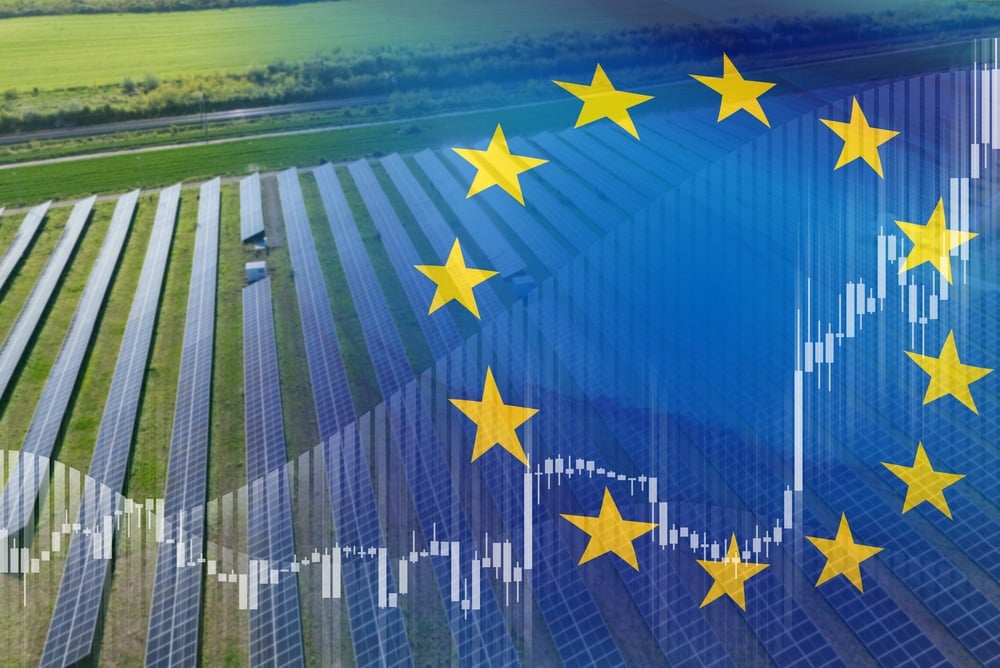
The EU ETS remains under pressure from "unprecedented" policy risk surrounding the landmark 2026 review, yet speculators maintain a bullish outlook. Carbon prices are on course to end the year around current levels, according to energy consultancy analysis published June 11. Market volatility reflects both upside support from industrial transition demand and downside concerns over potential free permit extensions being negotiated in the ongoing ETS review process.
Compliance Markets Roundup
ETS2 (Buildings & Road Transport): The European Commission welcomed a provisional agreement on June 11 on key safeguards for the new ETS2 carbon market launching in 2028. Enhanced price stability measures and predictability mechanisms were strengthened, including circuit-breaker provisions to manage price volatility and protect consumers during the system's early years.
EU ETS Review — Free Permits Extension: Internal European Commission documents dated June 10 reveal the 2026 review will extend industries' free emissions allowances in exchange for proof of local investment in the EU, balancing carbon pricing with industrial competitiveness concerns.

Voluntary Carbon Market
Verra Methodology Updates: The voluntary carbon market continued regulatory evolution, with Article 6.4 methodology revisions for energy efficiency in cookstoves moving forward. Article 6 territorial accounting frameworks advanced during the week of June 15, signaling progress on international carbon credit standardization ahead of COP30–31.
Institutional Support: Investors managing €11.4 trillion backed a strong ETS and complementary industrial policies, advocating for evolving—not diluting—the carbon market with green grid investments and clean tech financing rather than permit suspensions.
Policy & Regulation
CBAM Expansion Approved: The EU Council reached agreement on June 12 to significantly strengthen the Carbon Border Adjustment Mechanism, expanding coverage to 180+ products and extending to finished goods—not just primary materials. Anti-circumvention safeguards were reinforced to prevent trade loopholes. This marks the most substantial update to CBAM since its 2026 launch and will reshape trade flows to the EU, particularly affecting Indian steel and aluminum exporters.
CBAM Suspension Restrictions: EU countries agreed to restrict the circumstances in which the bloc can suspend its carbon emissions fee on imports (June 12), providing greater certainty for low-carbon investment decisions and limiting political discretion in CBAM implementation.
Analysis: CBAM Expansion Reshapes Global Carbon Trade Dynamics
The Council's agreement to expand CBAM to 180+ products and finished goods represents a watershed moment for carbon-border policy. The mechanism, which took effect January 1, 2026, has already begun reshaping trade patterns—particularly for high-carbon goods like steel and aluminum. The extension to finished products signals the EU's determination to close loopholes where producers could circumvent tariffs by exporting semi-processed goods and finishing production outside EU borders.
This expansion will have cascading effects across global supply chains. India's steel and aluminum sectors, among the world's largest exporters to the EU, face immediate pressure to decarbonize or accept higher export costs. Similarly, manufacturers in other non-ETS jurisdictions relying on carbon-intensive inputs will face indirect CBAM exposure through their supply chains. The reinforced anti-circumvention safeguards target strategies such as third-country processing and trans-shipment to evade tariffs.
The Council's parallel agreement to restrict CBAM suspension authority removes a political safety valve that might have been invoked during trade disputes or economic downturns. This credibility enhancement makes CBAM a durable, predictable policy tool—precisely what industrial decarbonization requires. However, market watchers note this increases geopolitical trade tensions, as third countries view CBAM as a form of protectionism. The World Trade Organization implications remain contested, with complainants likely challenging CBAM's compatibility with Most Favored Nation principles.
For the EU ETS itself, stronger CBAM credibility bolsters the case for maintaining robust carbon pricing without permit-expansion concessions. However, the 2026 ETS review documents showing willingness to extend free permits signal Brussels will seek a compromise balancing climate ambition with industrial retention.
What to Watch Next Week
- ETS2 Finalization: Parliament's formal vote on ETS2 safeguards agreement expected; final legislative text to follow before summer recess
- CBAM Parliament Negotiations: European Parliament begins formal negotiations with Council on CBAM expansion scope; likely debate over timeline and finished-goods definitions
- Article 6 Conference: Ongoing methodological discussions at carbon credit conference during week of June 22; expect Gold Standard and Verra methodology announcements
- Emissions Trading System Review Timeline: European Commission expected to outline formal timeline for ETS review proposals; stakeholder consultations may resume
- UK CBAM Consultation: UK Government likely to signal whether it will develop parallel carbon border mechanism; decisions expected ahead of Q3 2026
Note: Data for this week is limited to sources published after June 9, 2026. ETS price levels and volumes from trading venues were unavailable in recent source materials; readers are directed to ICAP Carbon Action Partnership price explorer and Carbon Pulse for real-time pricing data.
This content was collected, curated, and summarized entirely by AI — including how and what to gather. It may contain inaccuracies. Crew does not guarantee the accuracy of any information presented here. Always verify facts on your own before acting on them. Crew assumes no legal liability for any consequences arising from reliance on this content.
Powered by
