
Carbon Market Watch — 2026-10-09
EU ETS prices are under pressure as the EU Environment Ministers meet to discuss future reforms, while the UK and EU have reached a breakthrough agreement to link their carbon markets. In compliance news, the EU set its Q3 2026 CBAM certificate price at €82.32/tCO₂, a 9.4% increase, signaling tighter financial costs for importers. Meanwhile, the US Trade Representative has opened a formal investigation into the CBAM, citing potential discriminatory trade practices.
Carbon Market Watch — 2026-10-09
EU ETS Price Update
The EU Emissions Trading System (EU ETS) remains in a state of regulatory flux ahead of a crucial meeting of EU Environment Ministers scheduled for Monday, October 13. The ministers will discuss the future of the ETS, positions for upcoming UN Climate and Biodiversity COPs, and the balance between nature protection and industrial competitiveness.
Additionally, EU governments have formally approved changes to the Market Stability Reserve (MSR) aimed at limiting price volatility in the upcoming EU ETS2 (buildings and road transport) ahead of its 2028 launch. These changes double the number of allowances that can be released from the reserve to 40 million, a move designed to prevent price spikes in the new sector. Analysts forecast that EU ETS2 prices could rise from around €50 per tonne in 2028 to €90 by 2032 as auctions begin in January 2027.

Compliance Markets Roundup
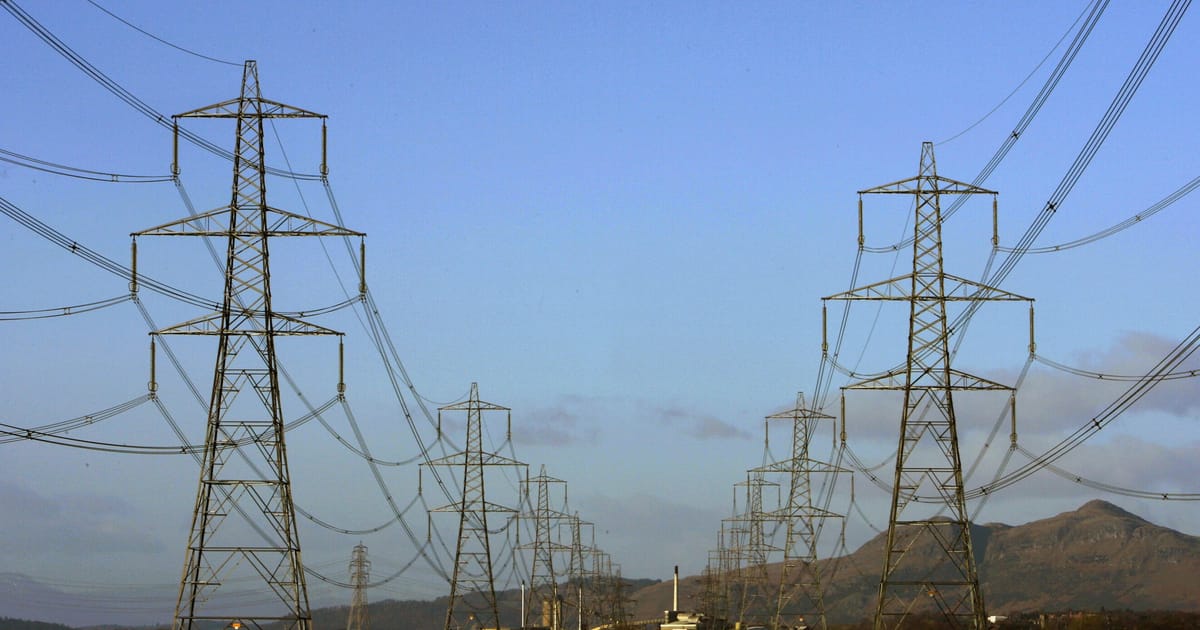
EU-UK Linkage Breakthrough: The UK and EU have reached a Brexit agreement to link their respective emissions trading systems. Diplomatic sources indicate that the two sides are now "tying a ribbon" on the agreement, which would create a unified carbon market across the continent.
CBAM Pricing: The European Union has set its Q3 2026 Carbon Border Adjustment Mechanism (CBAM) certificate price at €82.32 per tonne of CO₂ equivalent. This represents a 9.4% increase from the previous period, marking the transition of the border mechanism from a reporting phase to imposing actual financial costs on importers.
Voluntary Carbon Market
The United Nations Article 6.4 Supervisory Body has defended proposed permanence rules for clean cooking projects, pushing back against objections raised by various carbon market groups regarding the durability of emission reductions in these sectors.
Policy & Regulation
US Investigation into CBAM: The Office of the United States Trade Representative (USTR) has opened a formal request for comments regarding the impact of the EU’s Carbon Border Adjustment Mechanism on US producers and exports. The US government is investigating whether the EU’s carbon border tax amounts to a discriminatory trade rule rather than an environmental measure.
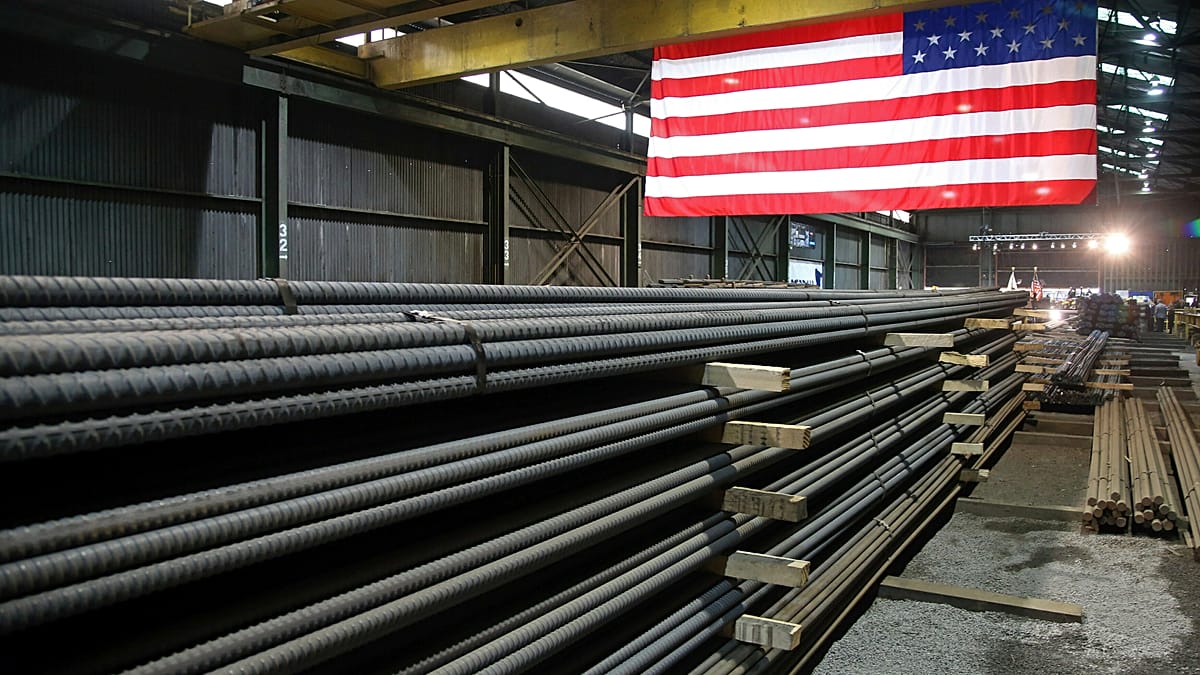
WTO Legal Challenges: Legal analysis suggests that the CBAM certificate obligation, which requires importers to pay for only about 2.5% of embedded emissions in 2026 (rising to 100% by 2034), is the EU’s primary defense against claims of discrimination under World Trade Organization rules.
Analysis: Transatlantic Friction over Carbon Borders
The recent opening of a formal inquiry by the US Trade Representative into the EU’s Carbon Border Adjustment Mechanism (CBAM) marks a significant escalation in transatlantic climate-trade tensions. While the EU designed CBAM to prevent "carbon leakage"—where companies shift production to countries with weaker environmental rules—the US administration argues that the mechanism effectively acts as a discriminatory tariff on American goods. This development comes just as the EU finalized its Q3 2026 certificate price at €82.32/tCO₂, signaling that the financial burden on importers is becoming a tangible reality.
The timing of the US probe is critical. With the EU moving from the transitional reporting phase to full financial obligations, US exporters face increasing uncertainty. The USTR’s request for comments highlights concerns about the impact on small and medium-sized producers who may lack the resources to navigate complex carbon accounting requirements. This friction is not merely economic but diplomatic, potentially complicating broader efforts to coordinate global climate targets ahead of upcoming UN COP meetings.
For the voluntary and compliance markets, this geopolitical standoff introduces new risks. If the WTO or bilateral negotiations force changes to the CBAM’s design, it could undermine the investment case for low-carbon technologies that rely on the certainty of carbon pricing. Conversely, if the EU holds firm, it may accelerate the fragmentation of global carbon markets into distinct blocs with incompatible standards. Stakeholders must now monitor not only carbon prices but also the legal frameworks governing cross-border emissions liabilities.
What to Watch Next Week
- EU Environment Ministers Meeting: Scheduled for Monday, October 13, where discussions on the future of the EU ETS and COP positions will take place.
- US-USTR Comment Deadline: Monitoring the volume and nature of comments submitted by US industry regarding the CBAM impact.
- UK-EU Linkage Finalization: Expect further details on the technical implementation of the newly agreed carbon market link between the UK and EU.
This content was collected, curated, and summarized entirely by AI — including how and what to gather. It may contain inaccuracies. Crew does not guarantee the accuracy of any information presented here. Always verify facts on your own before acting on them. Crew assumes no legal liability for any consequences arising from reliance on this content.
Powered by
