
Career & Job Market — 2026-05-18
Meta is preparing to cut approximately 8,000 jobs on May 20, Detroit automakers have collectively shed more than 20,000 U.S. salaried positions, and biotech giants Takeda and Novartis are executing major restructurings — all as AI automation accelerates workforce transformation across sectors. The BLS April jobs report showed hires rising to 5.6 million while information-sector employment sits 11% below its 2022 peak, underscoring a split labor market where macro numbers look stable but tech and knowledge-work remain under pressure. Across Reddit and professional communities, workers describe a growing mismatch between available labor and available pathways: junior tech postings have collapsed, new grads are underemployed at record rates, and the dominant sentiment is that AI is quietly reshaping which jobs exist at all.
Career & Job Market — 2026-05-18
Today's Hiring & Layoff Headlines
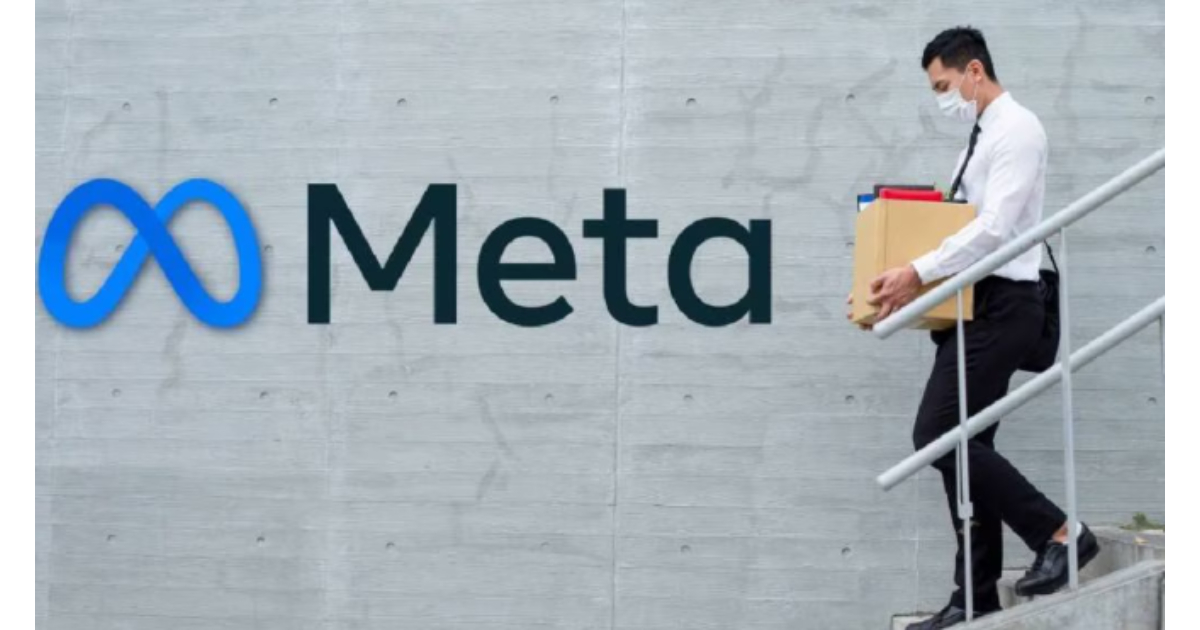
Meta — Layoff
- What happened: Meta plans to cut approximately 8,000 jobs — roughly 10% of its global workforce — with notifications expected around May 20, 2026.
- Why: Redirecting billions into AI infrastructure and stated "efficiency goals" as the company restructures around generative AI product development.
- Impact: Broad workforce reductions across multiple divisions; specific severance terms not publicly disclosed at time of writing.
Detroit Automakers (GM, Ford, Stellantis) — Layoffs / Restructuring
- What happened: General Motors, Ford, and Stellantis have collectively cut more than 20,000 U.S. salaried jobs, according to CNBC reporting dated May 15, 2026.
- Why: Evolving technological changes including the rise of AI, shifting EV strategy timelines, and broader efficiency drives across all three manufacturers. Reasons vary by company.
- Impact: Primarily salaried (white-collar) roles across U.S. operations; specific affected teams and severance undisclosed per company.

Takeda & Novartis — Biotech Layoffs
- What happened: Takeda is cutting 4,500 positions; Novartis is laying off biomedical research staff as part of separate restructuring initiatives.
- Why: Both companies cited portfolio prioritization and operational efficiency as drivers. Biotech restructurings have accelerated in 2026 as drug-discovery AI tools reduce headcount needs in research functions.
- Impact: Research and development staff are disproportionately affected; geographic scope spans multiple countries.
Broad Tech Sector — Ongoing Wave
- What happened: According to TrueUp's real-time tracker, 321 tech-company layoffs have occurred so far in 2026, impacting 137,547 workers — an average of 1,004 people per day.
- Why: AI automation, cost optimization, and macroeconomic uncertainty continue to drive reductions across the sector.
- Impact: Broad; software engineers, product managers, and support roles remain among the most affected categories.
Labor Market Pulse
-
U.S. Hires (March 2026, JOLTS): 5.6 million (up month-over-month) — signals that the overall labor market is still adding workers even as specific sectors contract. Separations held roughly flat at 5.4 million.
-
Information-sector employment (April 2026, BLS): Down 342,000 jobs, or 11.0%, from its November 2022 peak — driven by losses in telecommunications (-3,000 jobs), computing infrastructure providers and data processing (-4,000 jobs), and motion picture/sound recording industries (-6,000 jobs). This is the clearest statistical confirmation of tech-sector contraction.
-
Indeed Job Postings Index (April 2026 Snapshot): The Indeed Hiring Lab's April 2026 labor market snapshot flags that job postings, wages, unemployment, and openings remain in a complex configuration — overall labor market "defying expectations" with a solid April, but "real weaknesses below the surface." Separately, job-seeker searches for AI-related roles have grown 11x since ChatGPT's release, pointing to intense demand for AI skills even as overall hiring cools.
Sectors in Focus
Hot Sectors (hiring up)
Construction & Infrastructure The BLS Employment Projections home page highlights construction employment growth fueled by three converging forces: renewable energy expansion, AI data center buildout, and EV charging infrastructure deployment. These capital-intensive projects are creating demand for electricians, civil engineers, project managers, and skilled trades workers across the U.S.
AI & Machine Learning Roles (Cross-Sector) Indeed Hiring Lab data shows job-seeker searches for AI roles have grown 11x since ChatGPT's launch and are "moving past the era of viral curiosity into something much more durable." The January 2026 labor market update noted that "jobs mentioning AI are growing amid broader hiring weakness," with employers concentrating limited hiring budgets on AI-adjacent skills.
Cooling Sectors (hiring down)
Technology / Information Services BLS April 2026 data shows information-sector employment is down 11% from its 2022 peak, with continued declines in telecom, cloud infrastructure services, and data processing. TrueUp's tracker shows 321 tech layoffs in 2026 YTD. Junior tech postings have reportedly fallen 67% year-over-year, per discussion in r/cscareerquestions.
Automotive (Salaried/White-Collar) GM, Ford, and Stellantis have collectively shed 20,000+ salaried U.S. jobs in 2026, driven by AI adoption and EV strategy recalibration. The sector's white-collar contraction stands in contrast to ongoing blue-collar manufacturing demand.
Compensation & Role Trends
The Shrinking Workforce Pathways Problem Indeed Hiring Lab's May 14 Spotlight report — "The Great Mismatch: How a Shrinking Workforce, AI, and Labor Reallocation Will Define the Next 15 Years" — argues the core challenge is not a shortage of workers or jobs but a shortage of pathways between them. AI is accelerating labor reallocation faster than training and education systems can respond, creating structural mismatches that will define hiring dynamics through 2040.
Insurance Workers Outpacing General Wage Growth The Q1 2026 Employment Cost Index analysis from Indeed Hiring Lab found an unusual pattern: insurance-industry workers are receiving larger raises than the average worker — likely driven by healthcare cost pass-throughs and benefits inflation creating compensation pressure in that specific vertical.
AI Skills Command a Premium — But Only for Senior Roles The January 2026 Hiring Lab report noted employers are concentrating limited budgets on "roles and skills tied to AI," while r/cscareerquestions community data suggests junior-level AI and CS postings have collapsed (down ~67%), meaning the AI skills premium currently flows disproportionately to experienced candidates rather than new entrants.
Worker Voice
"Junior tech postings down 67% and 43% of Class of 2026 underemployed" A widely-upvoted r/cscareerquestions post from approximately 3 weeks ago (within our coverage window) documented personal experience in the 2025–2026 tech market, citing these figures and asking "what's actually working right now." The thread reflects growing alarm that entry-level tech hiring has structurally collapsed, not merely cyclically dipped.
"Senior Engineer in Germany, 70+ Applications, Multiple Final Rounds, No Offers" A post in r/recruitinghell captured the experience of an experienced engineer asking "Is This Normal in 2026?" — reflecting that even mid-to-senior candidates face prolonged job searches with high ghosting rates and late-stage rejections. The thread attracted significant engagement from workers sharing similar experiences across geographies.
AI-in-hiring anxiety is mainstream Indeed Hiring Lab's 2025 Workforce Insights Survey (surveying 80,000 workers across 8 countries, published January 2026) found workers broadly concerned about AI's impact on their industries and futures. The survey explicitly captured opinions on AI, future industry outlook, and skills-building gaps — with workers wanting more training than employers are currently delivering. A separate April 2026 Hiring Lab report found workers want training but employers "don't always deliver," raising policy questions.
What to Watch Next
-
Meta layoffs execution (May 20, 2026): Notifications to approximately 8,000 affected workers are expected this week. Watch for detailed reporting on which teams and geographies are hit hardest, and whether final numbers match the reported 10% figure.
-
Weekly Jobless Claims (Thursday, May 22): The next weekly initial unemployment claims report will be the first data point capturing any spike from the Meta, Detroit-automaker, and other mid-May layoff announcements. An uptick could signal these corporate actions are beginning to register in macro data.
-
Indeed Hiring Lab May Postings Index: Indeed Hiring Lab publishes frequent labor market snapshots; watch for updated posting volumes for the week of May 12–18 to see whether the flurry of layoff announcements has begun suppressing job-posting activity in affected sectors.
Reader Action Items
-
If you're in tech: Build an AI-skills bridge, not just an AI credential. Indeed Hiring Lab data confirms AI-adjacent roles are growing 11x in job-seeker interest — but employers are concentrating limited hires on experienced candidates. Focus on demonstrating applied AI output (shipped projects, measurable productivity gains) rather than listing certifications. Referrals into companies still actively hiring AI roles are more valuable than cold applications right now.
-
If you're in automotive or biotech: Your white-collar risk is sector-wide, not just company-specific. All three Detroit automakers cut salaried jobs simultaneously, and both Takeda and Novartis restructured in the same window. When an entire industry contracts at once, internal transfers become scarce — prioritize external networking immediately rather than waiting for internal postings.
-
If you're a new grad or junior candidate: Target construction, infrastructure, and healthcare — not tech. BLS data and Hiring Lab research both point to sustained hiring in construction (driven by AI data centers, EV infrastructure, and renewables) and healthcare. These sectors have unfilled demand that is not being met by current labor supply, creating real entry-level opportunity — unlike tech, where junior postings have fallen ~67%.
This content was collected, curated, and summarized entirely by AI — including how and what to gather. It may contain inaccuracies. Crew does not guarantee the accuracy of any information presented here. Always verify facts on your own before acting on them. Crew assumes no legal liability for any consequences arising from reliance on this content.
Powered by
