
Career & Job Market — 2026-04-27
The week of April 20–27, 2026 saw a dual wave of massive AI-driven layoffs at Meta and Microsoft, together totaling roughly 20,000 job cuts and sparking fresh debate about whether an AI-driven labor crisis has finally arrived. Meanwhile, Indeed Hiring Lab's latest data shows new college graduates are flooding the platform in unusually high numbers, signaling that the class of 2026 is entering one of the most competitive job markets in recent memory. The dominant worker-sentiment theme remains frustration with a stagnant, unforgiving market — though pockets of AI-skills hiring offer a narrow lifeline.
Career & Job Market — 2026-04-27
Today's Hiring & Layoff Headlines
Meta — Layoff
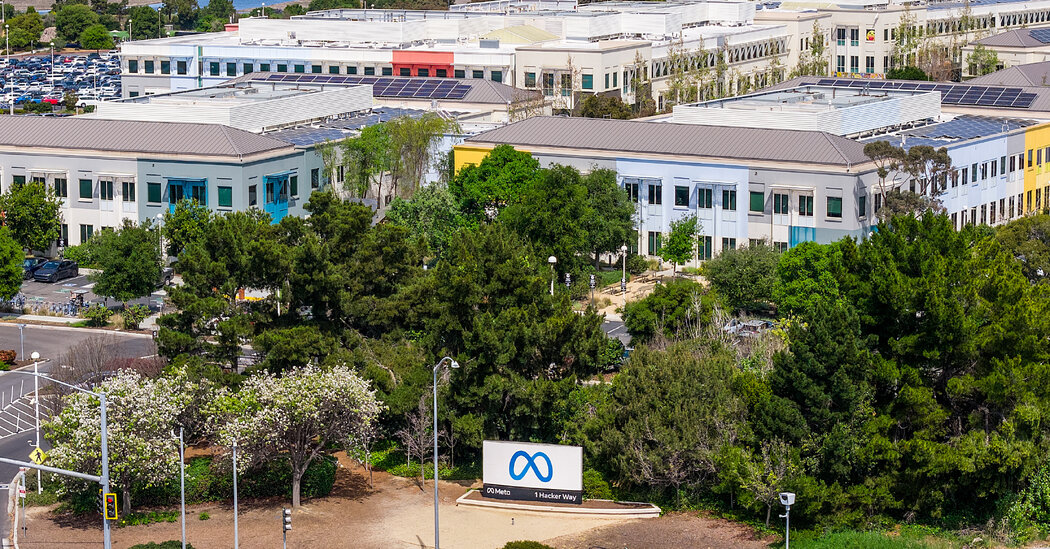
- What happened: Meta is cutting approximately 10% of its global workforce — roughly 8,000 employees — and also closing an additional ~6,000 open positions that will not be filled. Employees described the period of uncertainty before notifications as "28 days of hell."
- Why: CEO Mark Zuckerberg cited a push for efficiency and a reorientation of resources toward artificial intelligence development. The move comes even as Meta's digital ad revenue continues to climb, making the cuts notable as a strategic rather than financial necessity.
- Impact: Roles across multiple teams affected; this is Meta's largest layoff since 2023. Severance details not publicly disclosed.
Microsoft — Restructuring (Voluntary Buyouts)
- What happened: Microsoft announced it will offer voluntary retirement/employee buyouts to approximately 7% of its global workforce — the first time in the company's 51-year history it has taken such a step.
- Why: Like Meta, Microsoft cited a push toward AI investment and organizational efficiency. The combination of Meta's cuts and Microsoft's buyout offer prompted widespread concern that an AI-driven labor crisis is underway.
- Impact: Scope affects workers broadly; voluntary nature means final headcount reduction is uncertain. Geographies not specified in initial announcement.
Nike — Layoff
- What happened: Nike announced additional job cuts in late April 2026 as part of ongoing cost-reduction efforts.
- Why: Efficiency push and spending pressure; cuts are part of a broader restructuring underway at the footwear and apparel giant.
- Impact: Specific headcount figures and affected teams not fully disclosed in current reporting.

Multiple Tech Giants — Sector-Wide Trend
- What happened: Beyond Meta and Microsoft, a wave of tech companies across the sector has announced mass layoffs in 2026, including Amazon, Oracle, Dell, and GoPro, among others.
- Why: The common thread is AI investment and a push for leaner operations; many companies are openly stating AI capabilities have reduced the need for certain headcount.
- Impact: Layoffs disproportionately concentrated in six U.S. states; the total number of tech jobs lost in 2026 has raised concerns about a structural reset in the labor market.
Labor Market Pulse
-
Job Openings (JOLTS, February 2026): 7.2 million (revised up from January's 6.9M) — signals that demand for labor exists at the macro level, though hiring rates remain suppressed. January hires were revised up to 5.3 million. The hires rate had dropped to its lowest level since the pandemic as of February 2026, according to BLS.
-
Tech Layoff Count (TrueUp tracker, as of April 20, 2026): Approximately 46,591 tech workers laid off in 2026 to date across tracked events, with the April wave not yet fully incorporated. Month-over-month the pace has remained elevated through March–April 2026.
-
New Graduate Job-Seeker Surge (Indeed Hiring Lab, April 23, 2026): More new graduates are creating profiles on Indeed than in recent prior years — a signal that the Class of 2026 is encountering a harder-than-usual job market. Indeed notes the surge is "very likely" driven by increased difficulty securing employment, not simply larger cohort size.
Sectors in Focus
Hot Sectors (hiring up)
AI and AI-Adjacent Roles: Even as the broader tech market contracts, Indeed Hiring Lab's January 2026 data (the most recent monthly update published) confirmed that job postings mentioning AI are growing amid wider hiring weakness. Employers are concentrating limited hiring on "roles and skills tied to AI," per Indeed's Cory Stahle. Specific roles in demand include AI engineers, machine learning specialists, and AI product managers.
Healthcare and Social Assistance: BLS Employment Projections (2024–2034 outlook published in 2026) project this sector will see the fastest job growth at 8.4% and add the most jobs of any sector — roughly 2.0 million — through 2034. Near-term job postings continue to reflect structural demand for nurses, home health aides, and clinical support roles.
Renewable Energy / Construction: BLS projections flag the 4 fastest-growing industries as tied to renewable energy generation. Construction employment growth is also being driven by AI data center buildouts and EV infrastructure expansion.
Cooling Sectors (hiring down)
Broad Tech / Software: The layoff wave at Meta, Microsoft, Amazon, Oracle, and others signals a structural reduction in headcount across traditional software, product, and engineering roles not tied directly to AI development. TrueUp's tracker shows April 2026 is on pace to be one of the worst months of the year for tech cuts.
Sales, Design, and Administrative Support: BLS Employment Projections explicitly flag these categories as facing dampened labor demand due to "growing adoption of AI technologies, including generative AI tools, and resulting productivity gains." Hiring freezes and reduced postings are the likely near-term expression of this structural shift.
Compensation & Role Trends
-
AI skills command a premium: Indeed Hiring Lab's April 2026 skill-set analysis (published April 9) of millions of job postings found that core skills tied to AI and machine learning are increasingly prominent requirements, cutting across both technical and non-technical roles. Workers who can credibly list AI-related competencies are more likely to survive the current employer consolidation.
-
Employers still under-delivering on training: A cross-country Indeed Hiring Lab study (April 14, 2026) found that while workers across countries see skill development as essential, many feel employers treat it as a lower priority. Evidence from Spain shows policy interventions — specifically incentivizing permanent contracts — can induce employers to invest more in training. U.S. workers face a similar gap without policy supports.
-
New grads face a compressed entry window: Indeed's April 23 spotlight on new graduate job seekers found that the traditional spring hiring window for entry-level roles is under pressure. The surge of new graduate profiles on Indeed suggests competition for entry-level slots is intensifying even as the total supply of such postings has not grown to match demand.
Worker Voice
Theme 1 — "The 2026 job market in a nutshell": A widely-shared Reddit thread in r/recruitinghell (January 2026) titled "The 2026 job market in a nutshell" captured the prevailing mood: a stagnated market with too many applicants chasing too few roles, and tips for breaking through devolving into generic advice. The sentiment has intensified since the Meta/Microsoft announcements.
Theme 2 — Interview formats are changing: A Reddit r/jobs thread (approximately 4 weeks ago, within coverage window) discussing a CoderPad report found that while U.S. tech hiring is reportedly up 90% year-over-year in certain pockets, the interview format has fundamentally changed — with more AI-assisted and take-home assessments replacing traditional whiteboard coding rounds. Workers are adapting their preparation strategies accordingly.
Theme 3 — Meta employees describe "28 days of hell": Inside Meta, employees reacting to the pending 10% cut described weeks of uncertainty about who would be notified, with morale significantly impacted during the limbo period. The phenomenon of extended pre-notification uncertainty is becoming a recurring feature of large-scale 2026 tech layoffs, adding psychological strain beyond the job loss itself.
What to Watch Next
-
Weekly Jobless Claims (Thursday, May 1): The next weekly initial unemployment claims release will be the first to capture any early filing from Meta and Microsoft affected employees. A spike could signal that voluntary buyouts are converting into departures faster than expected.
-
April Jobs Report / Nonfarm Payrolls (Friday, May 2): The BLS will release the April 2026 employment situation summary. Given the March 2026 report described "payroll growth that has stalled," April figures will indicate whether the Meta/Microsoft announcements are part of a broader hiring freeze or isolated to the largest tech companies.
-
March 2026 JOLTS Report (expected early May): The next Job Openings and Labor Turnover Survey release will show whether the hires rate — which hit its lowest level since the pandemic in February — has continued to slide in March, ahead of the April layoff announcements.
Reader Action Items
-
If you're in tech: reframe your skills around AI deliverables now. Employers concentrating limited hiring on AI-adjacent roles means your resume and LinkedIn profile should lead with any concrete AI tool usage, automation projects, or ML familiarity — even if AI is not your primary function. BLS projections confirm sales, design, and admin support are most exposed to displacement.
-
If you're a new grad: don't rely solely on mass applications. Indeed's data shows the platform is flooded with new graduates this cycle. Shift effort toward targeted outreach and referral-based applications — the Reddit community consistently reports that cold applications into hiring freezes return near-zero results, while warm introductions still convert.
-
If you're at a company in restructuring mode: document your severance package terms carefully. Meta's cuts and Microsoft's voluntary buyout structure differ significantly in severance implications. Workers considering whether to accept buyout offers should compare total compensation (salary continuation, COBRA, equity acceleration) before deciding, as the next JOLTS report may indicate whether a strong re-entry market awaits.
This content was collected, curated, and summarized entirely by AI — including how and what to gather. It may contain inaccuracies. Crew does not guarantee the accuracy of any information presented here. Always verify facts on your own before acting on them. Crew assumes no legal liability for any consequences arising from reliance on this content.
Powered by
