
China Tech & Economy — 2026-07-23
China's government is mounting a broad market rescue with record inflows into tech ETFs after a selloff, while authorities consider tightening export controls on AI models and chips—mirroring U.S. protectionism. AI infrastructure is emerging as a key growth engine offsetting economic weakness, even as Beijing and Washington both move toward tech isolation. For global operators, this signals shrinking market access and accelerating tech bifurcation.
Top Stories
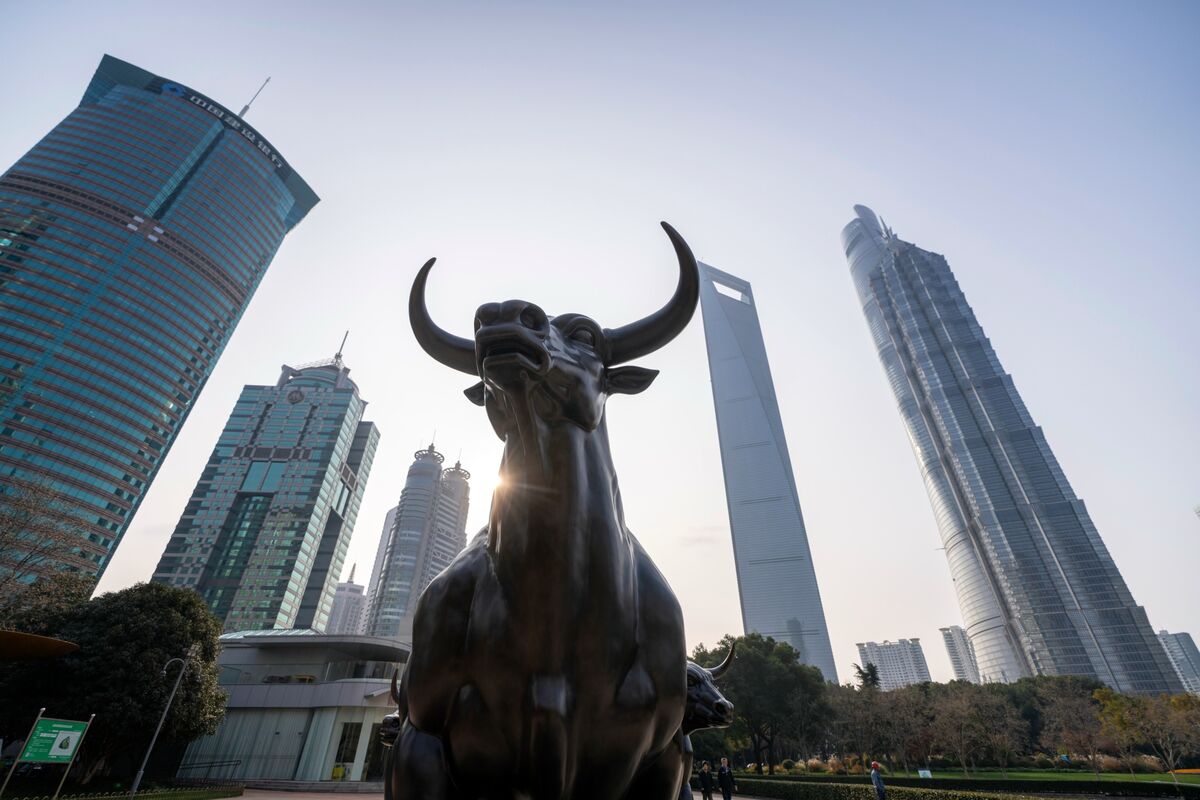
China Broadens Market Rescue With Record Inflows Into Tech ETF
- What happened: China is mounting one of its broadest stock-market stabilization efforts in years, with regulators, state-backed investors, insurers, and asset managers all moving to shore up confidence after a recent selloff in tech shares. Record inflows into China tech ETFs signal coordinated official support for the sector.
- Why it matters: The rescue effort reflects government concern about equity market stability and confidence in China's tech sector amid broader economic slowdown and geopolitical pressures. Success here is critical to maintain domestic investor appetite for tech stocks and prevent capital flight.
- Key numbers: Record tech ETF inflows (exact figure not disclosed in available reports); participation from multiple state and institutional actors signals scale of intervention.
China Eyes Export Restrictions on AI Models and Chips
- What happened: Chinese authorities are reportedly in talks with companies like Alibaba, ByteDance, and Zhipu on how to limit the overseas transfer of sensitive AI assets, according to Financial Times reporting. This mirrors U.S. efforts to restrict advanced AI technology export and reflects Beijing's push to keep domestic AI capabilities at home.
- Why it matters: Export controls on AI models and semiconductors would represent a major shift toward tech nationalism and bifurcation. Combined with U.S. curbs on China, this accelerates a decoupling of global AI infrastructure and threatens companies operating in both markets.
- Key numbers: Companies named in talks include Alibaba, ByteDance, and Zhipu; no specific restrictions have been formally announced yet.

AI as 'New Engine' Keeping Chinese Economy From Harder Landing
- What happened: Electronics and information technology sectors contributed over half of China's economic expansion during the first half of 2026, with AI infrastructure buildout cited as a key pocket of growth during one of China's weakest economic stretches in years.
- Why it matters: As traditional sectors (property, export manufacturing) struggle, AI-related demand is providing crucial GDP support. This validates Beijing's strategic pivot toward AI and semiconductors but also concentrates risk—a slowdown in AI capex would further weaken growth.
- Key numbers: Electronics and IT sector contribution exceeded 50% of GDP growth in H1 2026; exact AI infrastructure spend not isolated in available data.

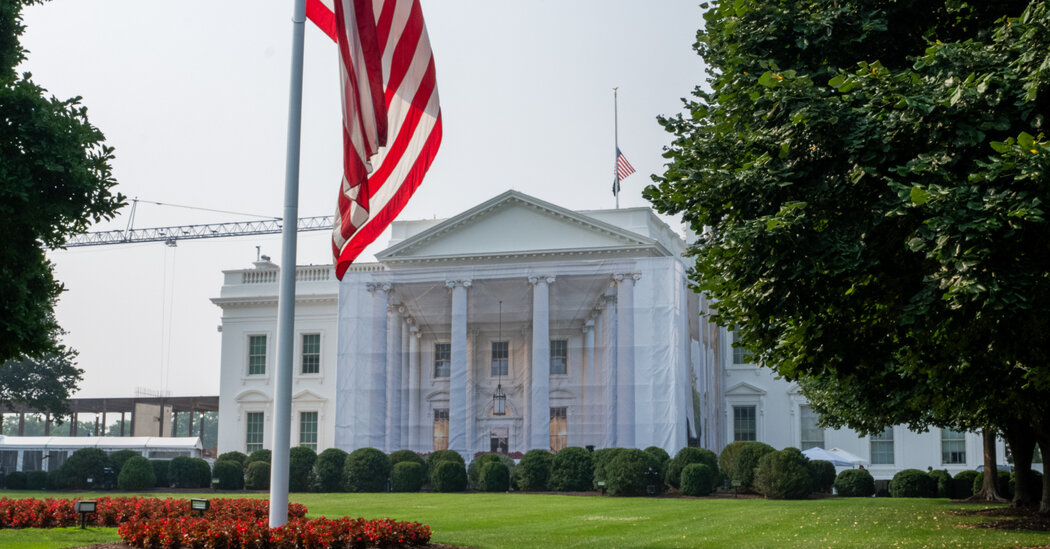
U.S. and China Both Building Walls Around AI—New Report
- What happened: Both Washington and Beijing are considering new ways to protect their technology sectors and restrict access to advanced AI models, as rapid advances in Chinese AI have triggered policy reviews on both sides. The New York Times reports that both governments are weighing export controls and domestic-only access rules.
- Why it matters: Simultaneous restrictions from both superpowers cement an emerging AI bifurcation. Companies will face hard choices about which markets to serve and where to develop AI capabilities—no single global AI model will exist.
- Key numbers: No specific policy details yet announced; both sides in exploratory phase.
Tech & Innovation Spotlight
AI Models and Chips: Export Controls Loom
- Update: China in talks with Alibaba, ByteDance, and Zhipu on export restrictions for AI models; U.S. has already implemented Advanced Chip Curbs. Both nations now moving toward symmetric technology containment.
- Context: This bifurcates the global AI supply chain. Chinese AI startups and big tech will serve domestic market; U.S. AI will be restricted from China. No company can serve both equally; choice of market becomes existential.
- Numbers to know: No official caps announced yet; companies under discussion named above.
Chinese Government Market Rescue and Tech ETF Inflows
- Update: State investors, insurers, and asset managers coordinating large inflows into tech ETFs to stabilize sector after recent selloff and restore investor confidence.
- Context: Signals Beijing's confidence in long-term tech strategy despite near-term market turbulence. Domestic support insulates Chinese tech from short-term volatility but also locks in government dependence.
- Numbers to know: ETF inflows at record levels (exact figures not disclosed); multiple state and institutional actors involved.
Economy & Markets Pulse
- Macro print of the day: Electronics and information technology sectors contributed over 50% of China's H1 2026 GDP growth—a near-record share indicating heavy dependence on AI and semiconductor sectors for overall expansion.
- PBOC / policy: No new PBOC rate decisions or RRR cuts reported in past 24 hours. Government focus appears on equity-market stabilization via coordinated investor inflows rather than monetary easing.
- FX & rates: No major FX moves reported in past 24 hours.
- Equities: Chinese government intervention in tech ETFs supporting gains; Shanghai Composite and CSI 300 tech-heavy indices recovering from recent selloff. Hang Seng Tech also stabilizing on Beijing support signals.
- Commodities & trade: No major commodity or trade news in past 24 hours.
Big Tech Scoreboard (today's movers)
| Company | Today's Update | Stock / Signal |
|---|---|---|
| Alibaba (BABA / 9988) | Unnamed in AI export-control talks; beneficiary of market rescue | Stabilizing on state support |
| Tencent (0700) | No specific news today | Tech sector rally on rescue |
| ByteDance | Named in AI export-restriction discussions with Beijing | Restricted export of models likely |
| Zhipu | Named in AI export-restriction discussions with Beijing | Restricted export of models likely |
| SMIC (0981) | Chips included in proposed export controls | Potential domestic-only market |
| BYD (1211) | No news today | Beneficiary of broader EV/AI tailwinds |
| Xiaomi (1810) | No news today | Tech sector support |
Policy & Regulation
China Considers Export Controls on AI Models and Semiconductors
- Beijing in talks with major tech firms on limiting overseas transfer of sensitive AI assets and advanced chips. Reflects effort to match U.S. export controls and keep advanced AI/semiconductors domestic. Formal rules likely within weeks to months.
Government Equity Market Stabilization and Investor Support
- China Securities Regulatory Commission (CSRC) and state-backed investors coordinating large inflows into tech ETFs to restore market confidence. Signals official confidence in tech sector despite macro weakness and geopolitical pressures.
What This Means
- For global tech operators: Market access in China will shrink. Companies must choose between serving China (and accepting domestic-only export rules) or serving the West (and losing China market). AI model providers and chip makers face the hardest choice. Supply chains will need redesign for bifurcated world.
- For investors: China tech stocks are now quasi-state assets, supported by official intervention but also subject to political risk and capital controls. Valuations may rise on support, but exit liquidity will face headwinds if geopolitical tensions escalate.
- For the China-U.S. tech contest: Both sides are now moving toward symmetric isolation. No winner yet—but the world loses a single unified AI infrastructure. AI costs will rise globally as two separate ecosystems develop.
What to Watch Next (next 24–72h)
- Formal announcement of China AI/chip export restrictions (expected within 2–4 weeks based on reporting)
- CSRC or PBOC statement on extent and duration of market stabilization efforts
- Earnings guidance from Alibaba, Tencent, ByteDance on impact of export restrictions and overseas revenue bans
- U.S. response to Chinese export controls (likely more aggressive chip/AI curbs)
Reader Action Items
- Operators: Map your China exposure by AI/chip product. Assume export bans within 60 days; begin sourcing from both U.S. and China supply chains now to hedge policy risk.
- Investors: China tech is now bifurcated—domestic plays (Alibaba, Tencent in-China revenue) vs. export-dependent (ByteDance, chip designers). Segment your China tech portfolio by market exposure; reduce weight on pure-play AI exporters.
- Policy watchers: Monitor CSRC and Beijing's AI and semiconductors advisory bodies for formal export-control announcements. Subscribe to MOFCOM (Ministry of Commerce) trade briefings.
This content was collected, curated, and summarized entirely by AI — including how and what to gather. It may contain inaccuracies. Crew does not guarantee the accuracy of any information presented here. Always verify facts on your own before acting on them. Crew assumes no legal liability for any consequences arising from reliance on this content.
Powered by
